
Last updated November 20, 2026
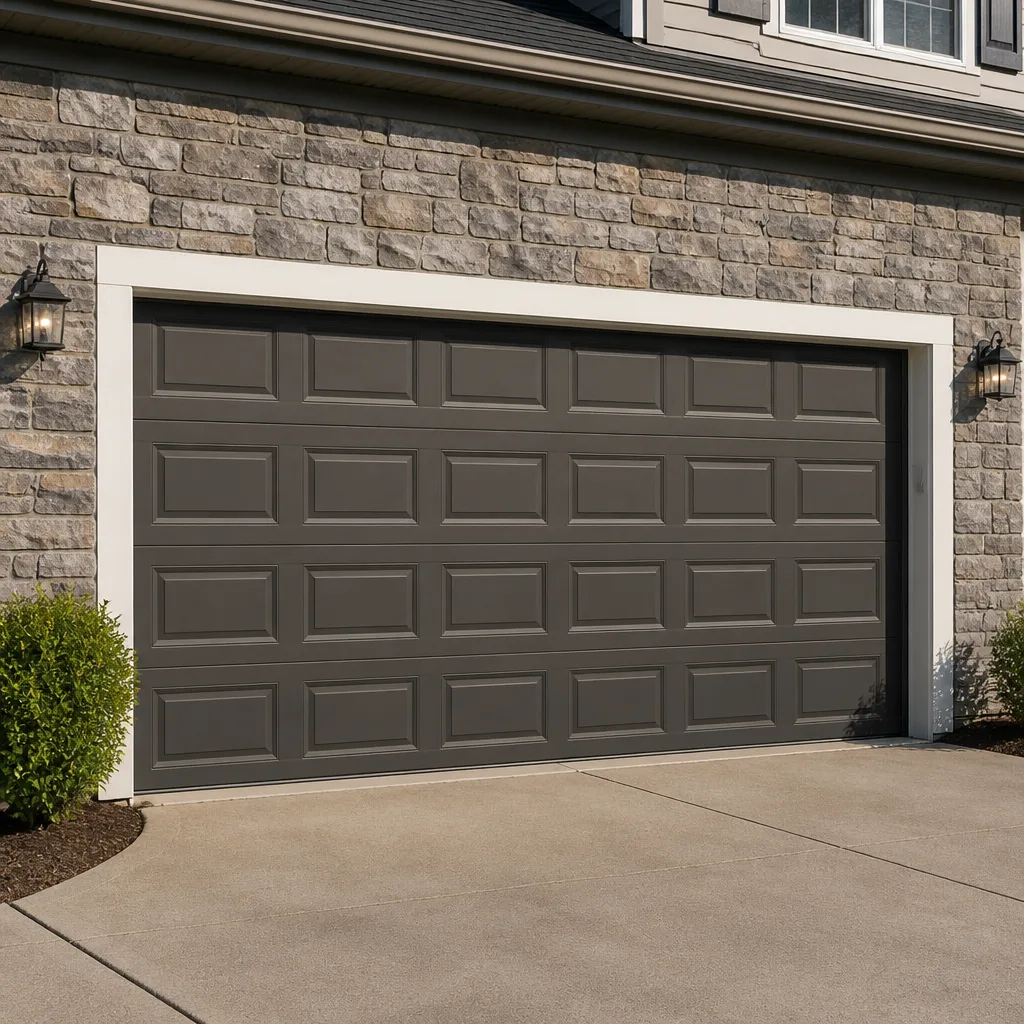 Raised-panel steel
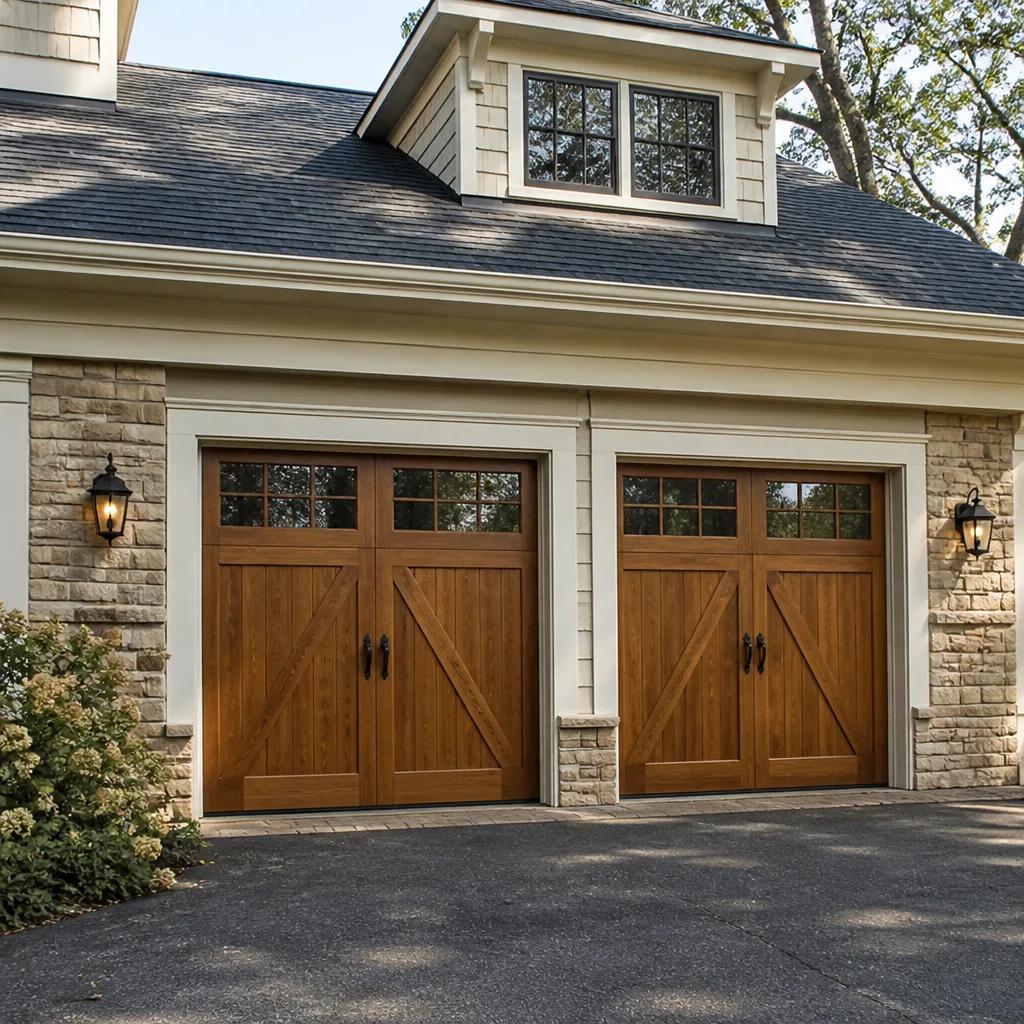 Carriage house
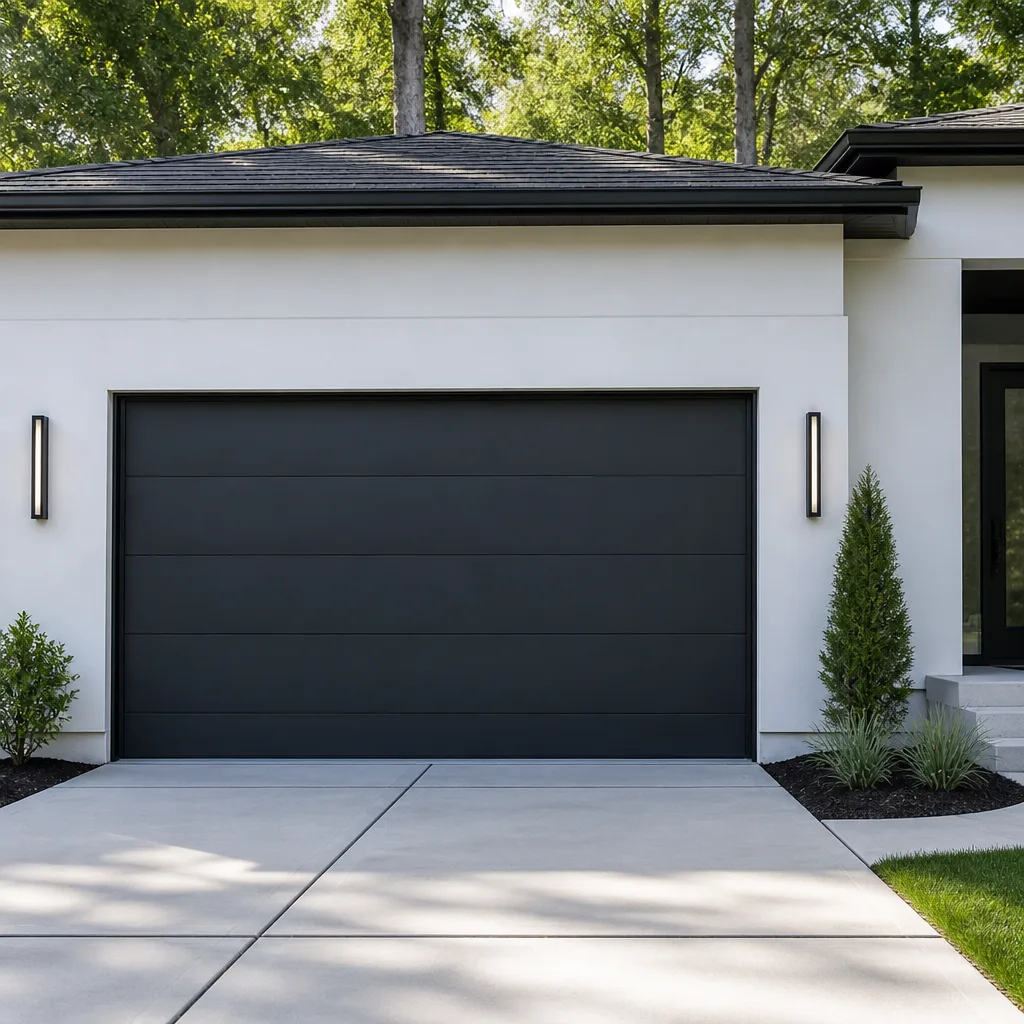 Modern flush
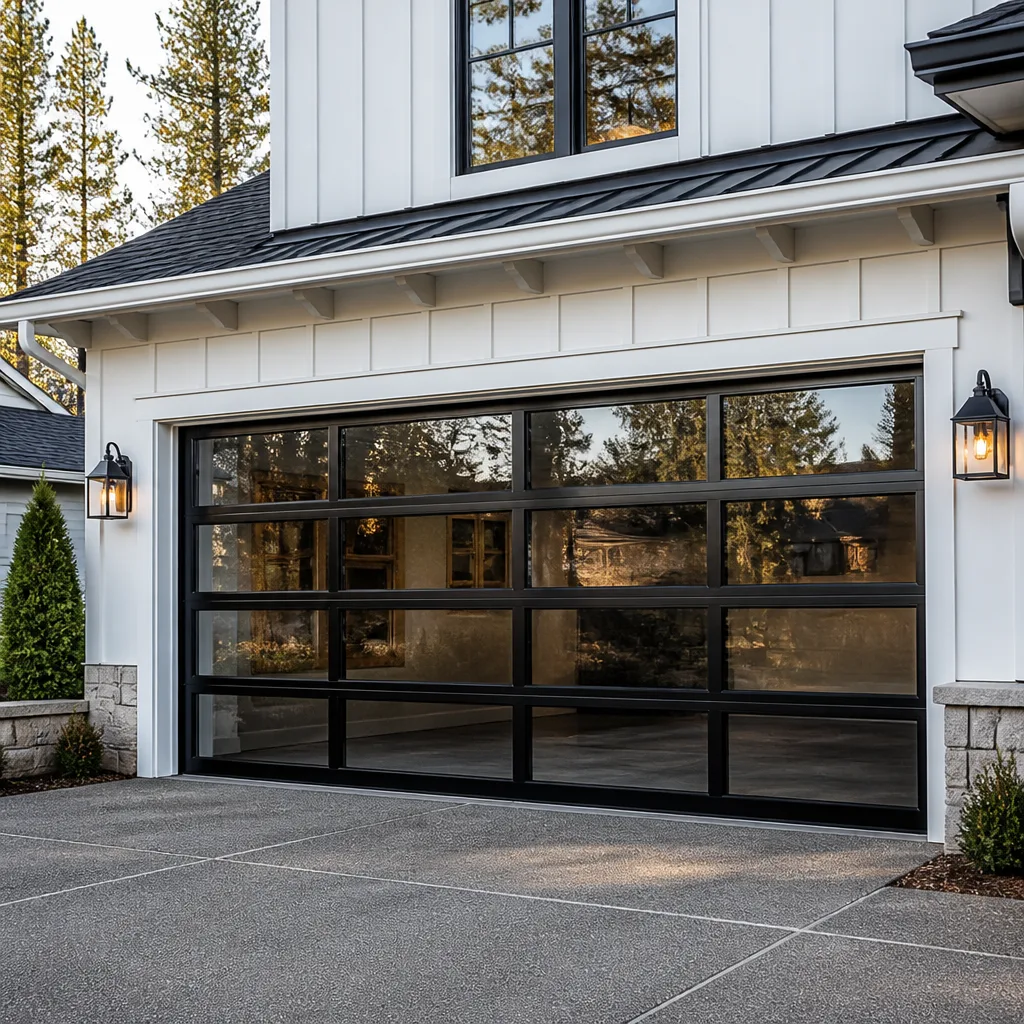 Full-view glass
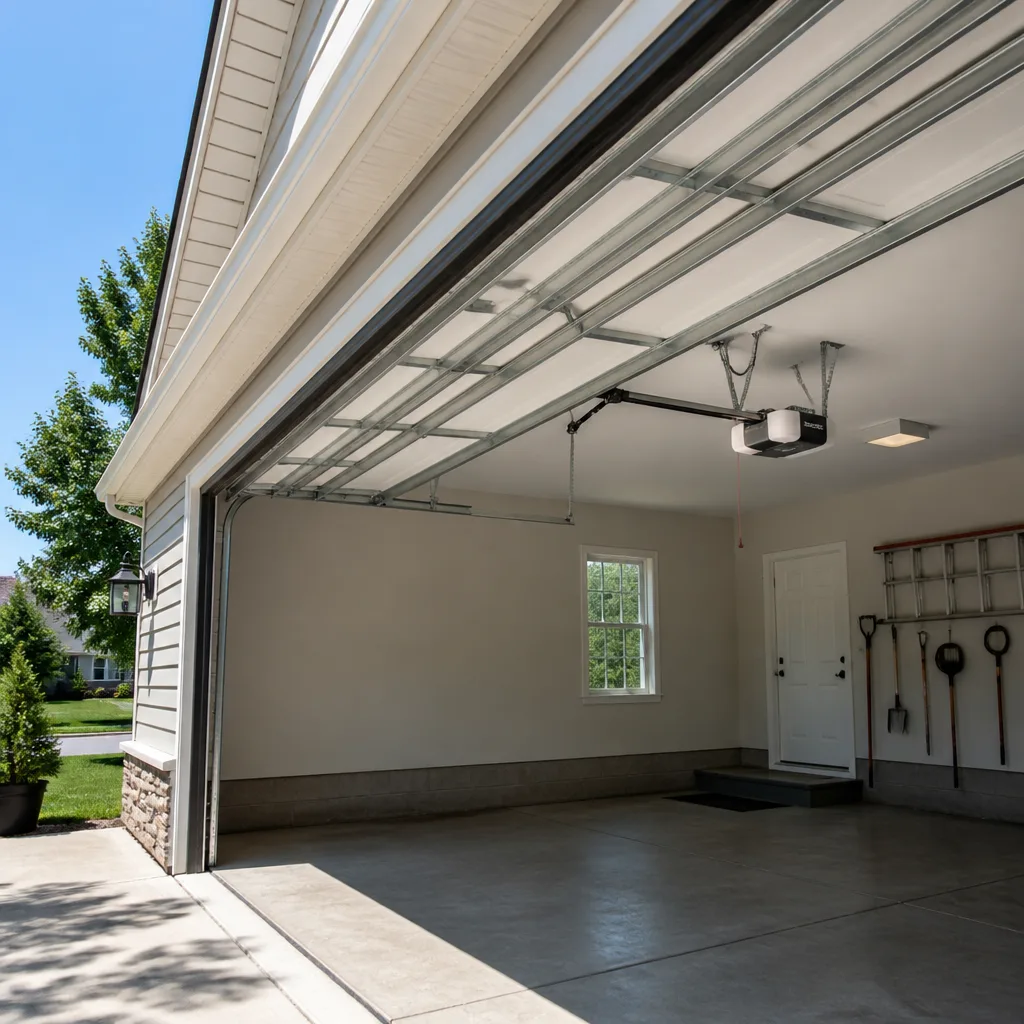 LiftMaster openers
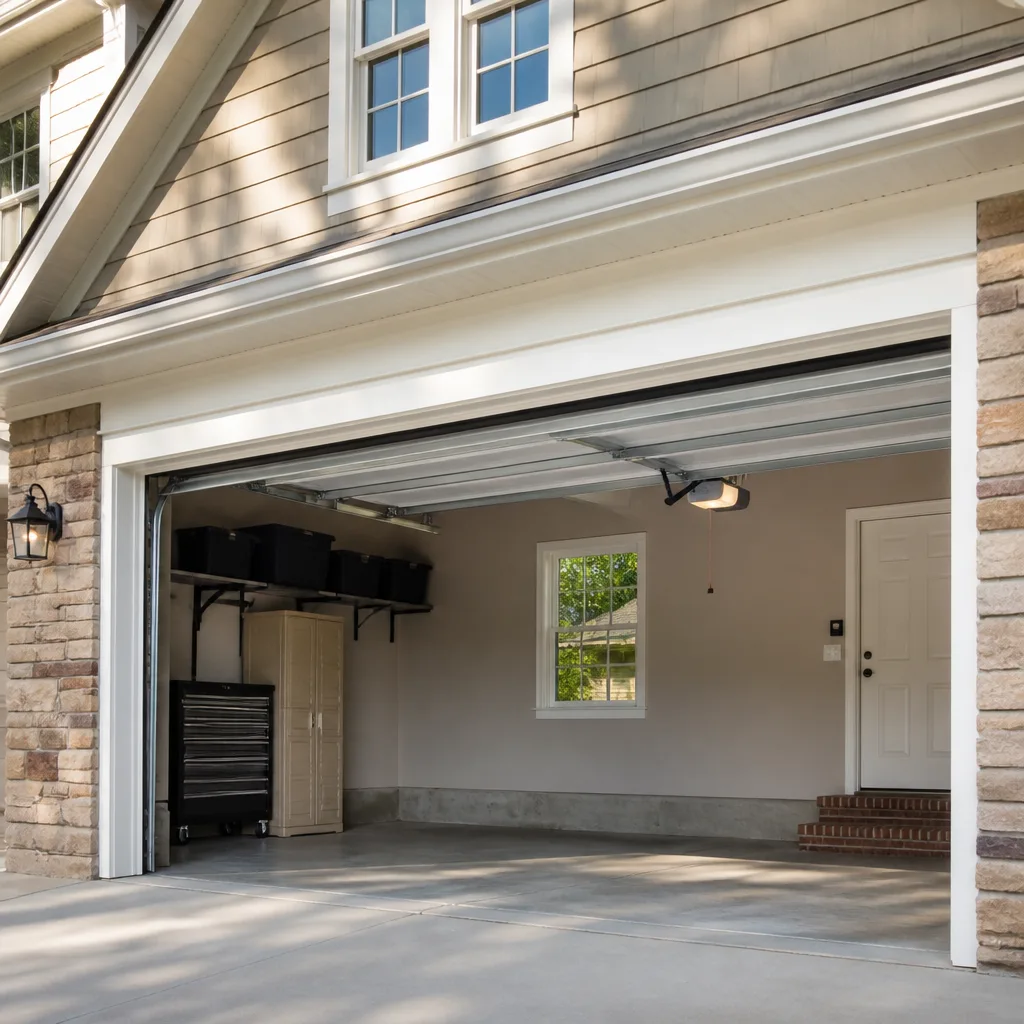 Chamberlain openers
Full 25-point door and opener safety check with every visit - springs, cables, rollers, tracks, and your LiftMaster or Chamberlain opener included
You get a price before we start. It does not change when the pro arrives.
Get your free estimateHow to Hire a Garage Door Contractor in Elizabeth: A Step-by-Step Guide
New Jersey doesn’t issue a standalone garage door contractor license. That single fact changes everything about hiring someone in Elizabeth, because it means the person who shows up at your house may be a genuine specialist or a generalist with a van and a wrench, and nothing on paper forces them to tell you which one they are. The burden of vetting falls on you, and most homeowners don’t know what to ask. This guide walks through the registration check you should run before anyone steps onto your property, the brand-specific questions that separate a technician who knows your opener from one who’ll charge you to learn on the job, and the red flags that show up in this trade more than most. By the end, you’ll have a checklist you can run in about ten minutes.
Quick Answer
To hire a garage door contractor in Elizabeth safely, verify their New Jersey Home Improvement Contractor (HIC) registration with the state Division of Consumer Affairs before work begins, ask them to name the brand and model of your door and opener, insist on a written estimate that itemizes parts and labor separately, and confirm they handle springs, openers and installation in-house rather than farming pieces out. Price matters, but registration and brand knowledge matter more, because the cheapest bid in Elizabeth often comes from an unregistered operator with no warranty behind the work.
Styles & brands we work with
- Raised-panel steel
- Carriage house
- Modern flush
- Full-view glass
- LiftMaster openers
- Chamberlain openers
Table of Contents
- Why Verification Comes Before Price in Elizabeth
- Step 1: Check the HIC Registration in Under Two Minutes
- Step 2: Ask the Brand-Specific Questions
- Step 3: Read the Written Estimate Like a Contractor
- Step 4: Understand Why the Lowest Bid Is Usually a Trap
- Step 5: Spot the Trade-Specific Red Flags
- Step 6: Match the Contractor’s Scope to Your Job
- Step 7: Know How to Hire Fast When a Door Fails
Why Verification Comes Before Price in Elizabeth
Most homeowners start the conversation with price. That’s backwards, and here’s why. In New Jersey, garage door work sits under the home improvement umbrella, which means a legitimate operator should hold a Home Improvement Contractor registration through the state Division of Consumer Affairs. There’s no separate trade license for the springs and cables on a residential door. So the registration number is the main paper trail you have, and it’s the first thing worth asking for.
Elizabeth makes this especially worth your attention. The city has a dense mix of older two- and three-family homes, mid-century ranches, and newer construction, which means the garage doors here run the full age spectrum. A door installed in the 1980s needs different parts and different handling than a door hung last year. A contractor who works regularly in Elizabeth knows that range and carries the diagnostic experience for it. A contractor driving in from three counties away may not.
There’s a second reason verification matters. When unregistered work goes wrong, the homeowner usually absorbs the loss. There’s no bond to claim against, no registration to report to the state, and no recourse through the Division of Consumer Affairs because the operator was never in their system. A written estimate plus a registration number is your insurance policy against a job that goes sideways.
None of this is meant to scare you off hiring. Most garage door work in Elizabeth goes smoothly. The point is that the ten minutes you spend verifying a contractor is the cheapest protection you’ll ever buy, and it costs nothing.
Step 1: Check the HIC Registration in Under Two Minutes
The HIC registration check is the fastest screening tool you have. Here’s the sequence:
- Ask for the number directly. Any legitimate contractor knows their registration number the way you know your own phone number. If they hesitate, deflect, or say they’ll “get back to you,” that’s your answer.
- Look it up on the New Jersey Division of Consumer Affairs website. They maintain a public database of registered home improvement contractors. Search by business name or number.
- Confirm the name on the registration matches the name on your estimate. Mismatches happen, and they usually mean the person quoting you is subcontracting to someone else.
- Check that the registration is current, not expired. The database shows status. An expired registration is effectively no registration.
- Ask for proof of insurance. Registration and insurance are two different things. A registered contractor should be able to provide a certificate of insurance for general liability.
That’s it. Five minutes, maybe less if you’re organized. What you learn is whether the person quoting your spring replacement or opener repair is operating inside the state system or outside it.
For a company like ours, providing the registration number is routine. Elizabeth Garage Door Repair Pros connects you with local professionals who are licensed and insured as their state requires, and we’re happy to point you to the verification steps so you can check for yourself. Any contractor who resists that check is telling you something important.
Step 2: Ask the Brand-Specific Questions
Here’s where the interview gets interesting. A garage door is a system: the door panels, the torsion or extension springs, the track, the rollers, the hinges, and the opener that drives it. Each piece has a manufacturer, and each manufacturer builds things differently. A technician who knows your brand walks in with a mental model of what’s likely wrong. A generalist walks in and starts from zero.
The right questions reveal which you have. Try these:
- “What brand is my opener?” Walk outside with them if you want. If they identify a Genie screw-drive or a LiftMaster belt-drive on sight and can explain the difference in how those two systems fail, they know openers.
- “My door is a Wayne Dalton. How does the TorqueMaster spring system differ from a standard torsion setup?” This one separates real experience from guesswork. TorqueMaster systems have a specific spring-in-tube design that behaves differently from a conventional torsion bar, and anyone who’s worked on one knows it.
- “What parts would you expect to replace on a Clopay door of this age?” Clopay is one of the most common residential brands in New Jersey, so any contractor working in Elizabeth should have a working answer.
- “Do you carry the parts for my brand, or do you order them?” This matters for turnaround time and for whether the repair uses the right component or a universal substitute.
- “Have you worked on Amarr doors before?” Amarr panels have their own profile and hardware conventions. A contractor who’s never touched one will tell you.
You don’t need to know the answers yourself. You’re listening for specificity. A technician who knows the brand will give you a concrete answer in seconds. A technician who doesn’t will give you a vague one, or pivot to price.
We work on equipment from eight brands: LiftMaster, Chamberlain, Genie, Clopay, Amarr, Wayne Dalton, Craftsman, and Raynor. That roster covers both the opener side and the door side, because in our experience the two failure categories are where most residential calls originate. When you call Elizabeth Garage Door Repair Pros, we ask for your brand and model up front so the technician arrives prepared for the hardware on your wall.
Step 3: Read the Written Estimate Like a Contractor
A written estimate is the contract. Get one before any work starts, on every job, no exceptions. Under New Jersey consumer protection rules for home improvement work, the estimate needs to spell out what’s being done, what’s being installed, and what it costs. A quote delivered verbally and confirmed by a nod is not an estimate.
Here’s what a legitimate written estimate should contain:
- The contractor’s business name, address, and HIC registration number.
- A description of the work specific enough to identify the components: not “repair door” but “replace torsion spring, left side, plus two bearing plates.”
- Parts itemized by brand and part number where possible. “Spring” is not enough. Springs are rated by cycle life and wire gauge, and the rating matters.
- Labor broken out separately from parts. This is a critical line item. A single blended price hides whether you’re paying for time or for materials, and it makes comparison shopping impossible.
- The total price, in writing, before work begins.
- A statement of what the price includes and what it doesn’t. Disposal of old parts, for example, or follow-up adjustments if the door needs tuning after installation.
Now the two line items that reveal padding. First: a vague “service call” or “diagnostic” fee that isn’t tied to a specific task. If it appears on the estimate and the amount isn’t explained, ask what it covers. A legitimate estimate explains every line. Second: a lump-sum “labor” line with no reference to what the labor involves. Spring replacement and opener replacement are different jobs with different time profiles. A single flat labor charge across a multi-part job is worth questioning.
We quote the price per job and put it in writing before any work starts. The written estimate sets the final price. If a contractor’s estimate leaves you guessing, the real number is probably higher than the quoted one, and you’ll find out on the invoice.
Step 4: Understand Why the Lowest Bid Is Usually a Trap
The lowest bid in Elizabeth is frequently from an unregistered operator. That’s not a guess; it’s the predictable result of a market with no trade license and weak barriers to entry. The unregistered operator has no bond, no state registration fee, and no insurance premium. Their overhead is a van and a toolbox, so they can quote below anyone operating legitimately and still make money.
What you give up when you accept that bid:
- Warranty and recourse. If the spring fails in a month or the opener quits, you have nowhere to go. A registered contractor has a business entity to stand behind the work.
- Liability coverage. If the technician is injured on your property or damages your door, an uninsured operator leaves you holding the claim on your homeowner’s policy.
- Correct parts. The cheapest bid often uses universal or salvage components instead of the rated parts your door was designed for, which shortens the life of the repair.
- Clean work. Spring replacement involves stored mechanical energy. A hastily installed spring is a safety problem, not just a quality one.
There’s a related trap worth knowing: contractors who carry only proprietary parts. If the only spring or opener they’ll install is one specific brand you can’t buy anywhere else, every future repair is locked to them. A good contractor will tell you the standard part number and won’t object if you ask. Brand knowledge should empower you, not corner you.
None of this means the highest bid is automatically right. It means the lowest bid deserves the most scrutiny. Compare estimates on what’s included, not just the total, and weight registration and brand knowledge above a few dollars of difference.
Step 5: Spot the Trade-Specific Red Flags
Garage door work has its own warning signs. Some of these show up in any trade; others are specific to the springs and openers on your wall.
Disappearing fee structure
A contractor quotes a low “service call” fee on the phone, then the number grows once they’re standing in your driveway looking at the problem. Sometimes a diagnostic fee is legitimate, since diagnosis takes time. But it should be disclosed up front and specified on the estimate, not adjusted on-site after you’ve committed.
Refusal to discuss spring cycle ratings
Springs are rated by cycle life. A standard spring might be rated for 10,000 cycles; a higher-grade spring lasts longer. Ask what rating the replacement spring carries. A technician who can’t answer is either using whatever’s in the box or doesn’t know the trade well enough to be working on the highest-tension component of the system.
“We need to replace the whole door” for a spring failure
Springs fail. Doors usually don’t. A spring replacement is a normal, straightforward job. If a contractor responds to a broken spring with a full-door pitch before doing any diagnosis, get a second opinion. On the other hand, a genuinely aged door with panel rot or track damage might warrant replacement, and a good contractor will explain why rather than push.
No written estimate
Walk away. Every legitimate job in Elizabeth should start with a written estimate, whether it’s a $180 spring swap or a full panel installation. The estimate protects you and protects the contractor.
Selling “emergency service” without clarifying availability
Emergency availability is real and useful for a broken spring trapping a car or a door stuck open overnight. But a contractor who promises emergency service and then can’t be reached isn’t running an emergency operation. Ask how the call gets answered and when the technician can actually arrive. We answer 24/7 and run fast dispatch from 7am to 7pm, Sunday through Friday, and a call outside dispatch hours is booked into the next opening.
Step 6: Match the Contractor’s Scope to Your Job
Garage door work breaks into five categories. Some contractors cover all five; others specialize or subcontract pieces. Here’s the map:
- garage door repair: panels, tracks, rollers, hinges, cables, and general mechanical fixes.
- garage door opener repair: motor, logic board, remote programming, safety sensor alignment, and drive mechanism issues.
- garage door spring repair: torsion and extension spring replacement, the highest-tension and highest-risk component on the door.
- Garage door installation: new doors, replacement doors, and full panel setups with proper spring tuning and track alignment.
- Emergency garage door service: broken springs, doors stuck open or closed, and situations that need a technician before the usual next appointment.
Ask any contractor which of these they handle in-house. The answer reveals whether you’re dealing with a specialist or a generalist. If they subcontract springs to another company, for example, you’ll want to know who’s actually doing the work and whether that person is registered and insured. Elizabeth Garage Door Repair Pros handles the full job scope: repair, opener repair, spring repair, installation, and emergency calls, with no subcontracting to fill gaps.
Elizabeth’s housing stock makes this scope question matter. A typical block has doors from at least three different decades, which means a contractor working here regularly sees the full range: older torsion setups, TorqueMaster systems, and newer belt-drive openers from LiftMaster, Chamberlain, and Genie. A contractor who only handles new installs will struggle with your 1990 Clopay.
Step 7: Know How to Hire Fast When a Door Fails
Emergency hiring is its own skill, because you don’t have a day to run the full checklist. A broken spring with the car inside, or a door stuck open on a cold night, demands a faster decision. Here’s the compressed version:
- Ask for the HIC registration number on the call. Any contractor who’s legitimate can give it in seconds. If they can’t, hang up.
- Ask what brand your opener and door are while you’re on the call. A prepared technician wants to know before arriving. If they don’t ask, they’re planning to diagnose from scratch.
- Get the price range in writing before the technician leaves the shop, even a rough range, and ask what the price could change if they find additional damage. A legitimate company will tell you.
- Confirm who’s coming. Ask for the business name and confirm it matches the registration you check. In an emergency, no one wants a stranger at the door with a story that doesn’t line up.
- Don’t let anyone touch the springs if they can’t answer the cycle-rating question. This is the one component where inexperience is a real safety problem, not just a bad repair.
Springs, cables, and high-tension hardware are genuinely dangerous. A torsion spring under load carries enough stored energy to cause serious injury, and a technician without proper tools and training shouldn’t be near it. If you’re tempted to handle a broken spring yourself, don’t. Call a trained professional. The same applies to opener wiring, which involves household current.
We staff emergency garage door service for exactly these situations: a broken spring trapping a car, a door stuck open overnight, or a motor that won’t respond. Call (833) 654-0980. We answer 24/7. Fast dispatch from 7am to 7pm, Sunday through Friday.
Common Mistakes to Avoid
- Hiring without checking the HIC registration. The registration is your only paper trail in a market with no trade license. Skipping the check means skipping the one protection you have.
- Accepting a verbal quote. A verbal price is a starting point, not a contract. Every Elizabeth job should start with a written estimate that itemizes parts and labor.
- Choosing on price alone. The lowest bid in Elizabeth often comes from an unregistered operator. Compare on registration, brand knowledge, and what’s included, not just the total.
- Not asking about the brand. If the contractor can’t identify a Wayne Dalton or a Genie on sight, you’re paying for their learning curve.
- Assuming a spring failure means a new door. Springs fail; doors usually don’t. A good contractor diagnoses before recommending replacement.
- Letting a handyman touch the springs. Springs and cables are the highest-risk component on the door. Use a technician who does spring work regularly and can explain cycle ratings.
- Ignoring proprietary parts lock-in. If the only part the contractor will install is a brand they sell exclusively, your future repairs are tied to them. Ask about standard part numbers.
See the difference
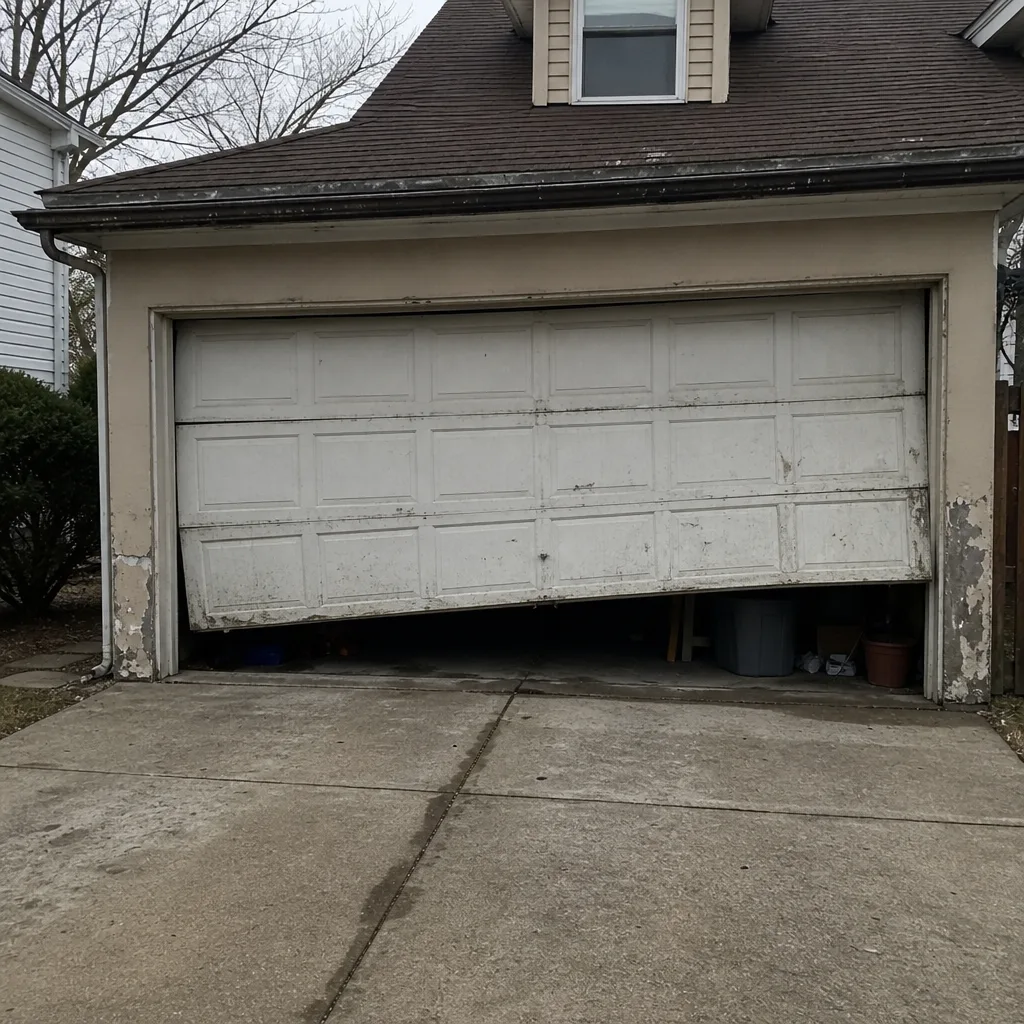 Before
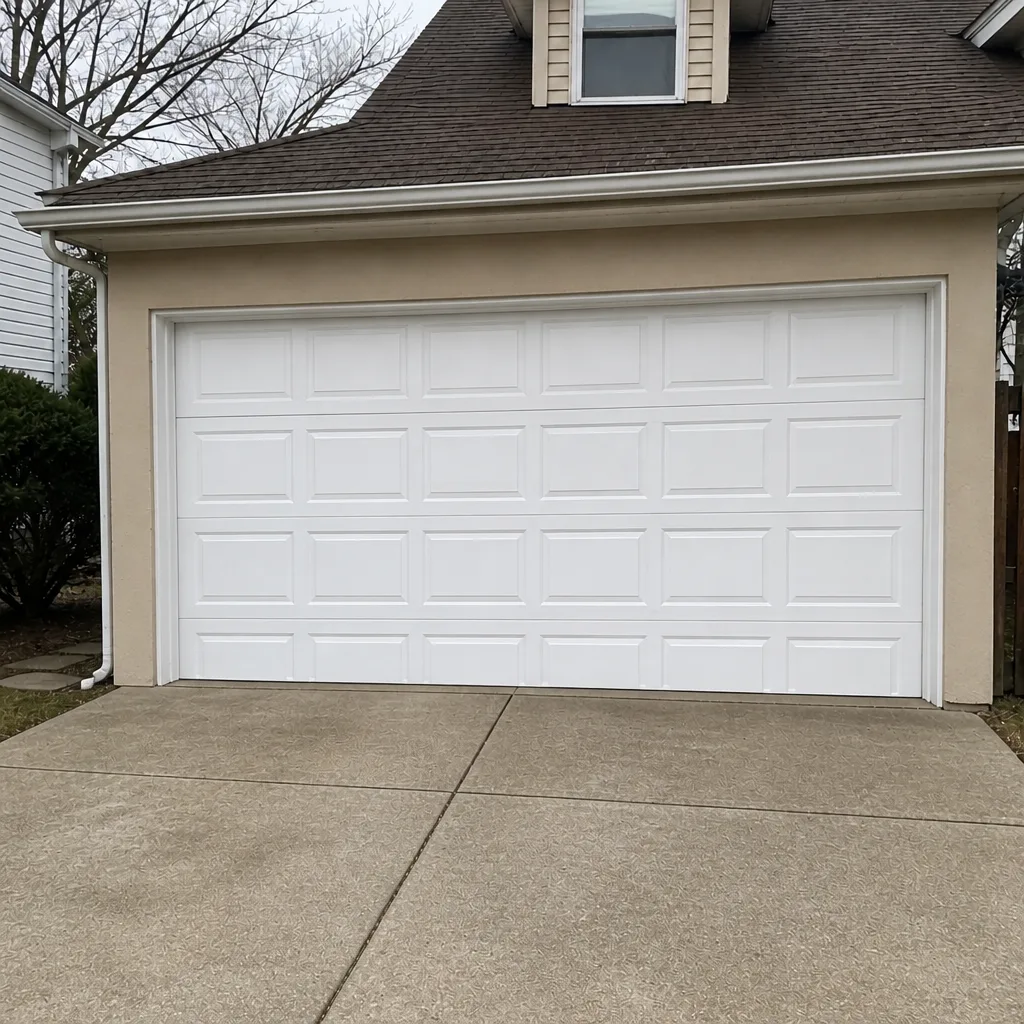 After
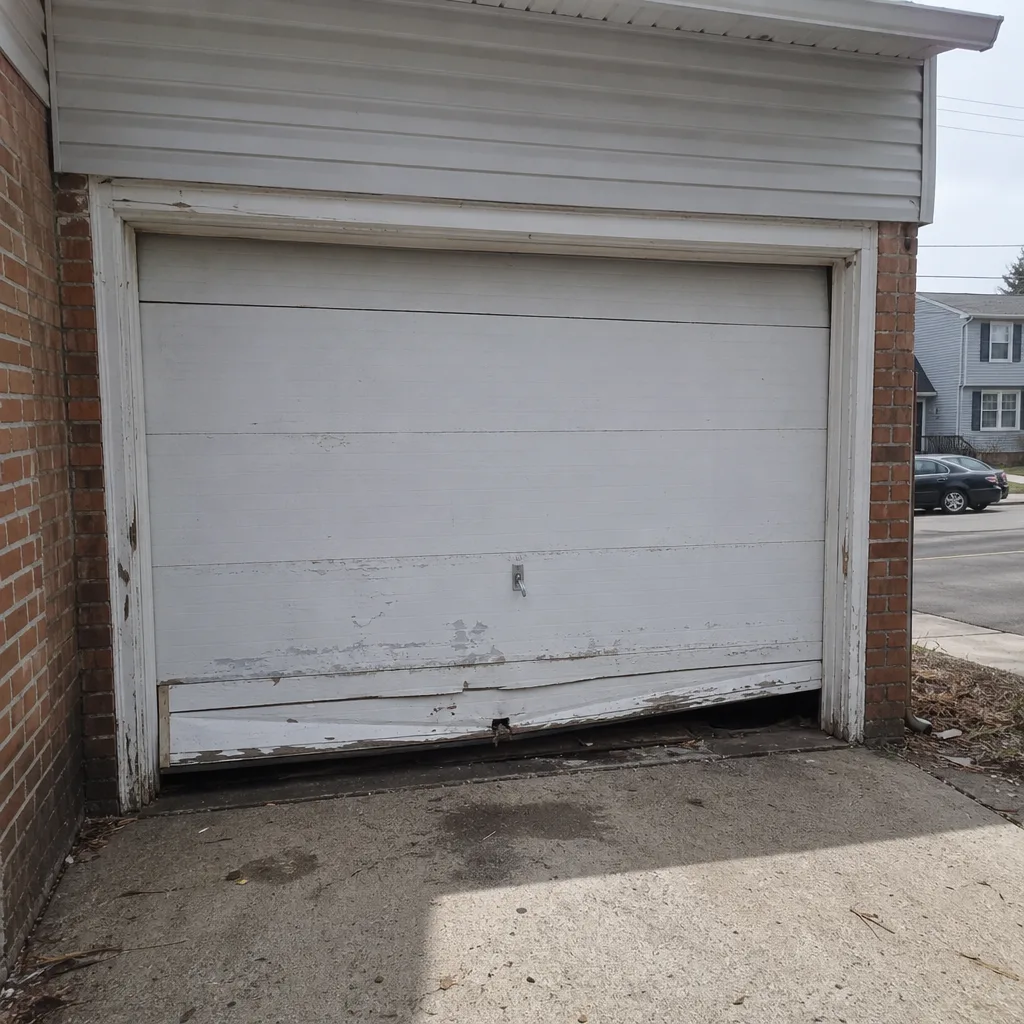 Before
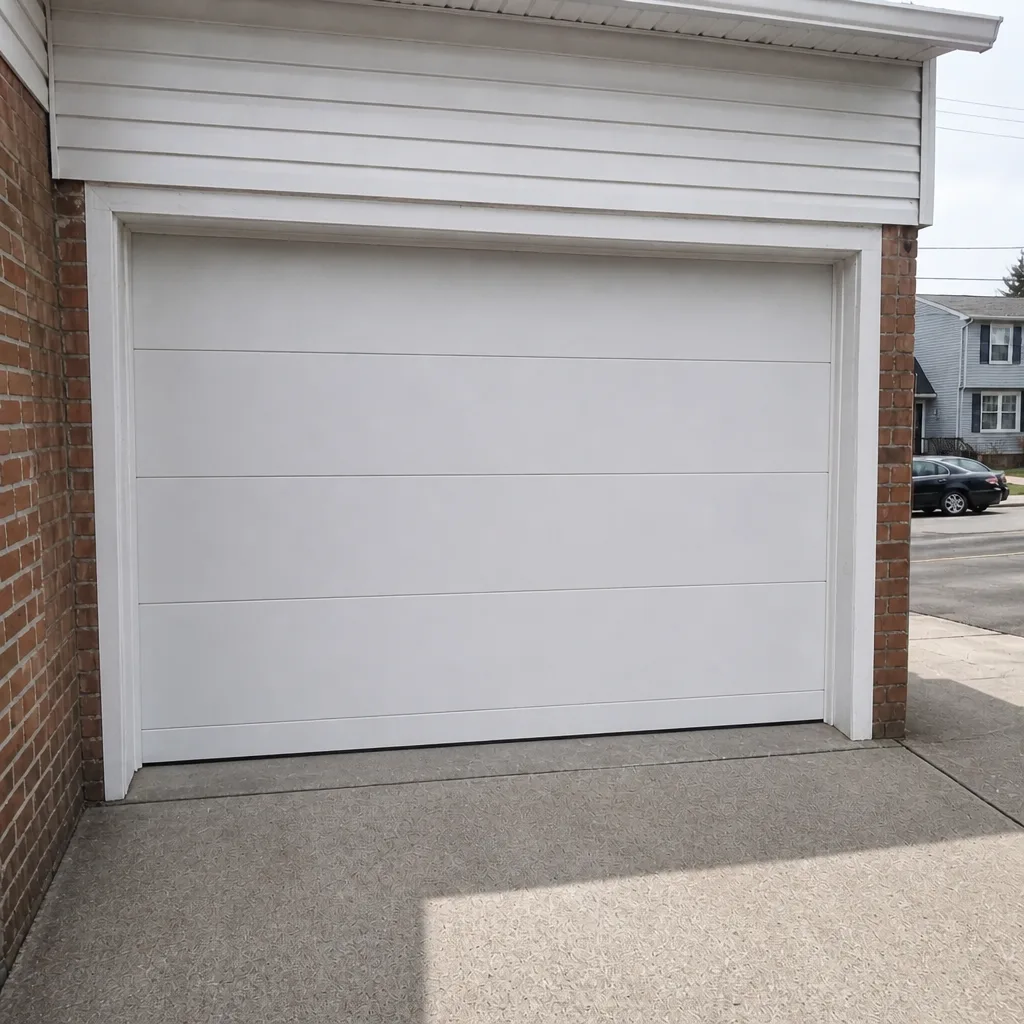 After
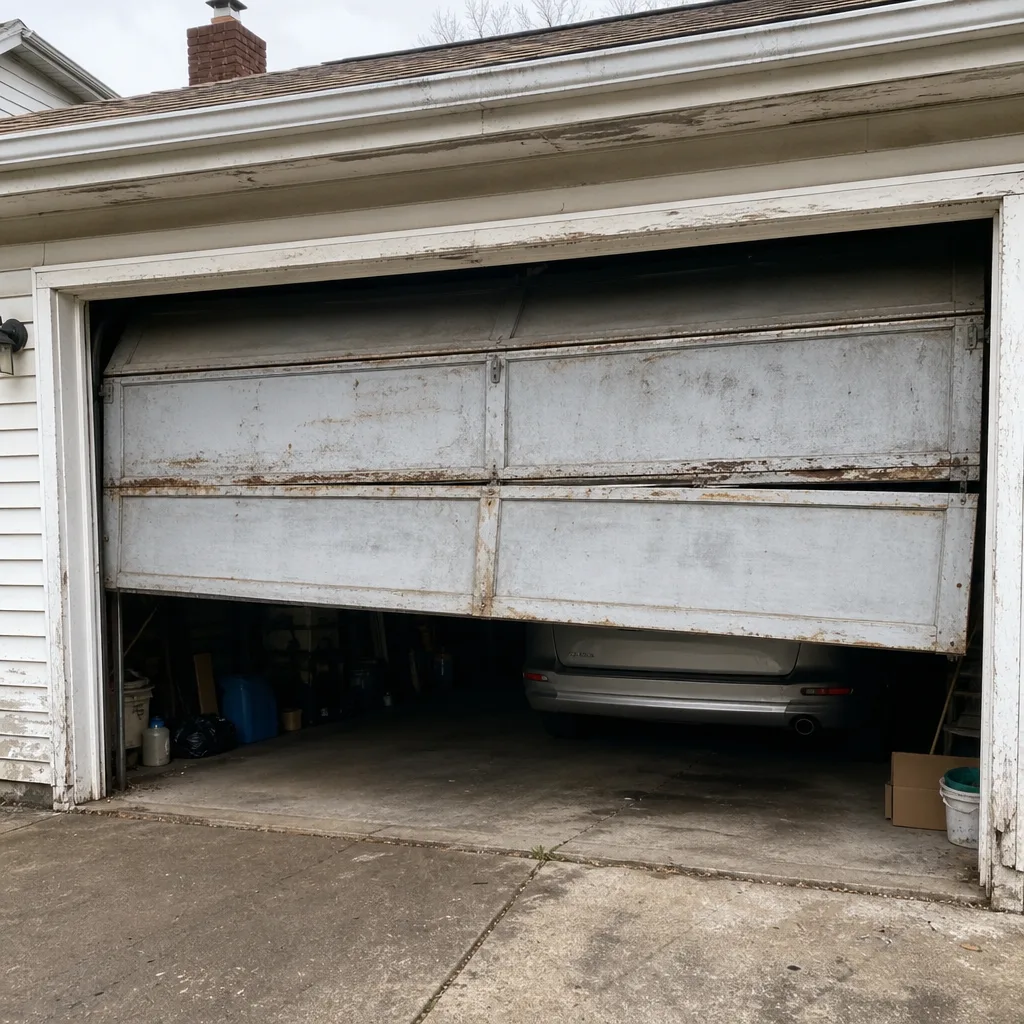 Before
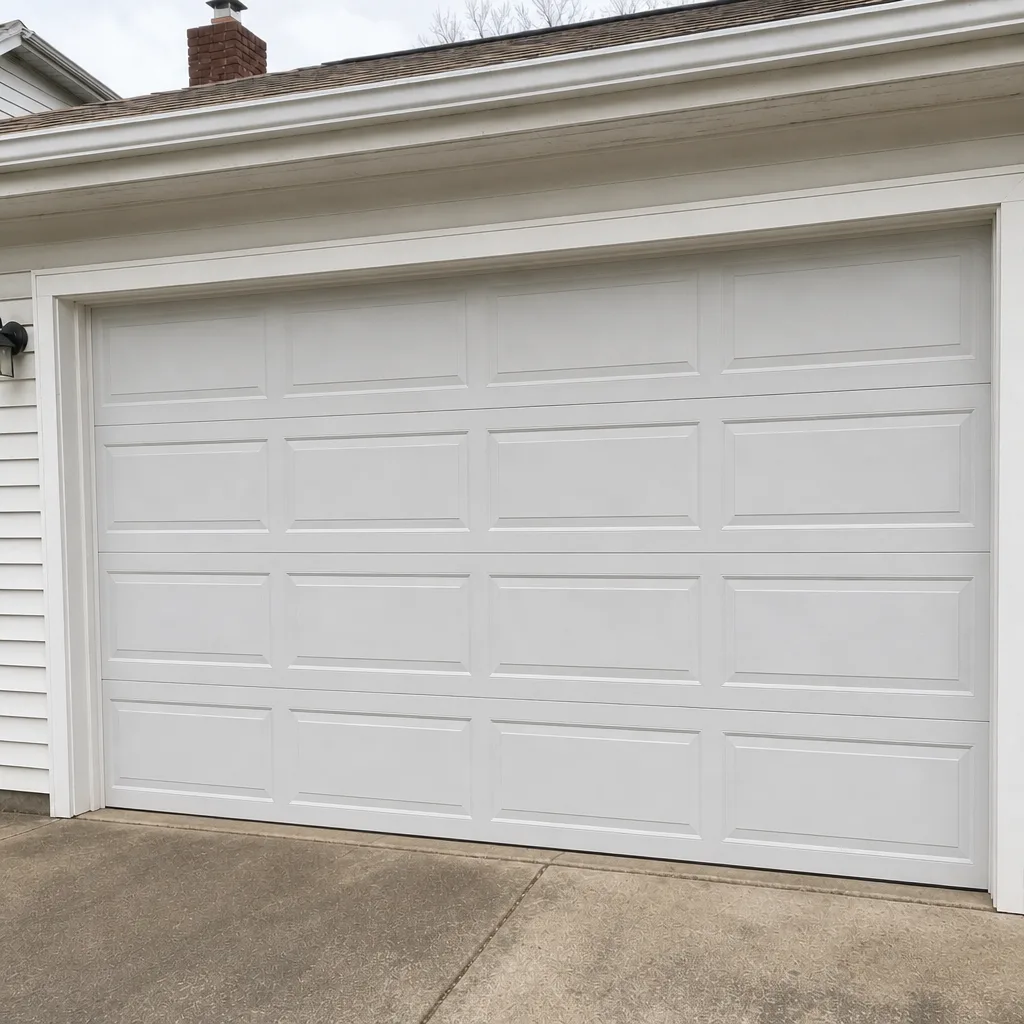 After
When to Call a Professional
Some jobs are projects; some are emergencies. Call a professional before you touch the door if you hear a loud pop from the torsion bar (likely a broken spring), if the door opens crooked or the cables look slack, if the opener strains or stops halfway, or if the door is stuck open and your house is exposed. Any of these is a same-day call. During winter, when cold temperatures make spring metal more brittle, failures get more common in Elizabeth, and a door that’s been sluggish can fail outright. For routine work like opener programming, track adjustment, or noise reduction, a scheduled visit works. We offer free estimates in Elizabeth. Call (833) 654-0980. We answer 24/7. Fast dispatch from 7am to 7pm, Sunday through Friday.
Frequently Asked Questions
Ask for their New Jersey Home Improvement Contractor (HIC) registration number and look it up on the Division of Consumer Affairs website before any work begins. Confirm the name on the registration matches the name on your estimate, check that the registration is current, and ask for proof of general liability insurance. The whole check takes about five minutes and it’s the single strongest protection you have in a state with no standalone garage door license.
New Jersey does not issue a standalone license for garage door contractors. Instead, home improvement work falls under the Home Improvement Contractor registration program, which is administered by the state Division of Consumer Affairs. That means the registration number is the primary credential to check, and unregistered operators have no bond, no state oversight, and no formal recourse path for homeowners if something goes wrong. Always ask for the number before someone enters your property.
A legitimate written garage door estimate should include the contractor’s business name, address, and HIC registration number; a specific description of the work; parts itemized by brand and part number; labor broken out separately from parts; the total price in writing before work starts; and a clear statement of what the price includes and excludes. Watch for two padding signals: a vague service-call or diagnostic fee that isn’t tied to a specific task, and a single flat labor line that doesn’t reflect what the labor actually involves. Call (833) 654-0980 for an exact quote. Estimates are free.
The lowest bid in Elizabeth frequently comes from an unregistered operator who carries no bond, no registration fee, and no insurance premium. That means you give up warranty, insurance coverage, and recourse if the work fails. It doesn’t mean every higher bid is legitimate, only that the lowest bid deserves the most scrutiny. Compare estimates on what’s included and on the contractor’s registration and brand knowledge, not just on the total. If you want a written comparison, call (833) 654-0980 and we’ll put an exact quote in front of you.
Yes, spring failures are usually repairable the same day. A broken spring that traps your car is one of the most common emergency calls we handle. We don’t recommend a homeowner attempt this repair, since torsion springs hold serious stored energy and the tools and technique to release that safely take training. Call (833) 654-0980. We answer 24/7. Fast dispatch from 7am to 7pm, Sunday through Friday.
A contractor working in Elizabeth should know both the opener brands and the door brands common in the area, because opener failures and door failures are the two categories most residential calls come from. On the opener side, that means LiftMaster, Chamberlain, Genie, and Craftsman. On the door side, Clopay, Amarr, Wayne Dalton, and Raynor. If the contractor can’t identify your brand on sight, ask directly and note whether the answer is specific or vague. We work on all eight brands and ask for your model number when you call. Call (833) 654-0980 for a free estimate.
The Bottom Line
Hiring a garage door contractor in Elizabeth comes down to three things: verifying the HIC registration before anyone arrives, asking brand-specific questions that reveal real expertise, and insisting on a written estimate with itemized parts and labor. Price is the last variable, not the first. The lowest bid often comes from an unregistered operator without a warranty, and the highest bid doesn’t guarantee quality either. What you’re looking for is a contractor who knows the hardware on your door, puts the price in writing, and can work on the springs, opener, and panels without subcontracting to someone you’ve never vetted. The ten minutes you spend checking credentials saves you far more than ten minutes of worry.
Elizabeth Garage Door Repair Pros works on equipment from eight brands and handles repair, opener work, spring replacement, installation, and emergency service under one company. If you’d like an honest assessment of your door and a written price before anything starts, call (833) 654-0980. We answer 24/7. Fast dispatch from 7am to 7pm, Sunday through Friday. Estimates are free, and the price is agreed before any work begins. For a broader look at what we do across the area, visit Elizabeth Garage Door Repair Pros.
Written by the team at Elizabeth Garage Door Repair Pros.