
Last updated November 20, 2026
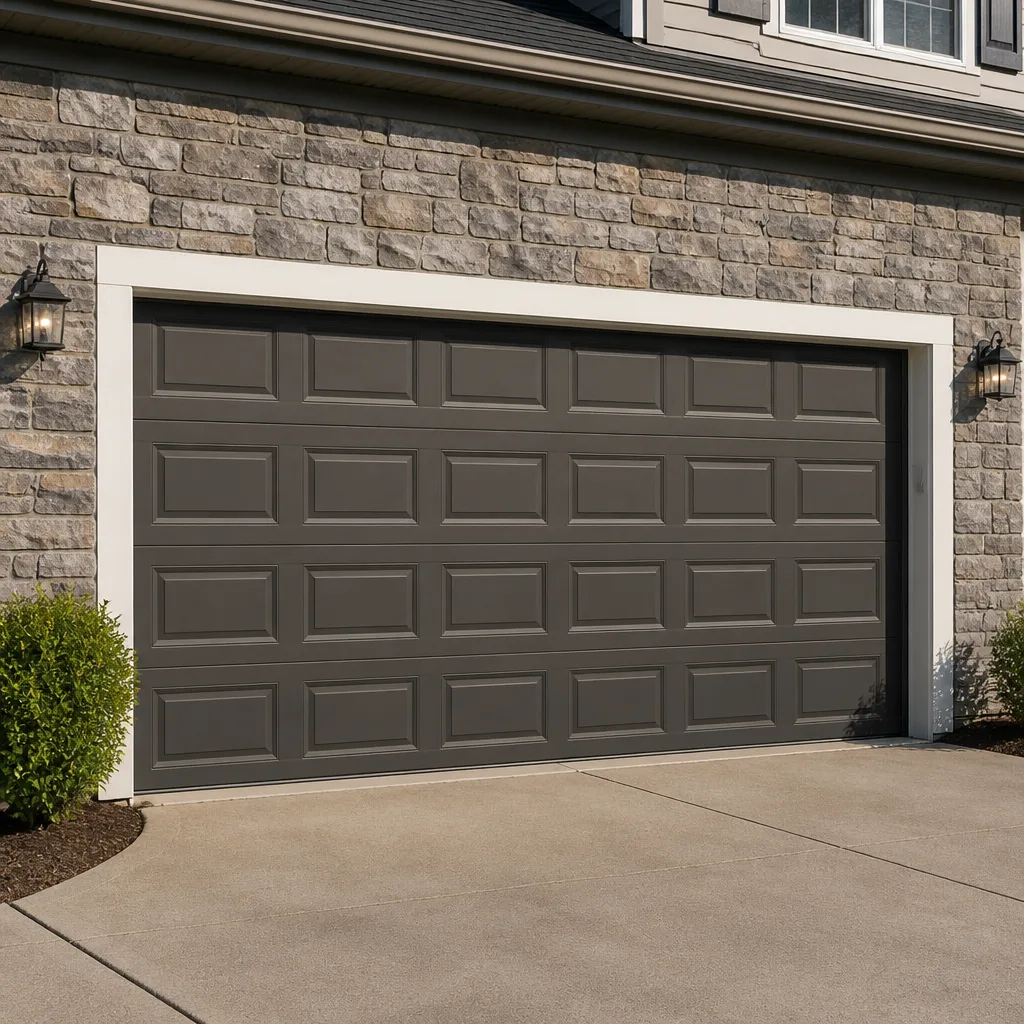 Raised-panel steel
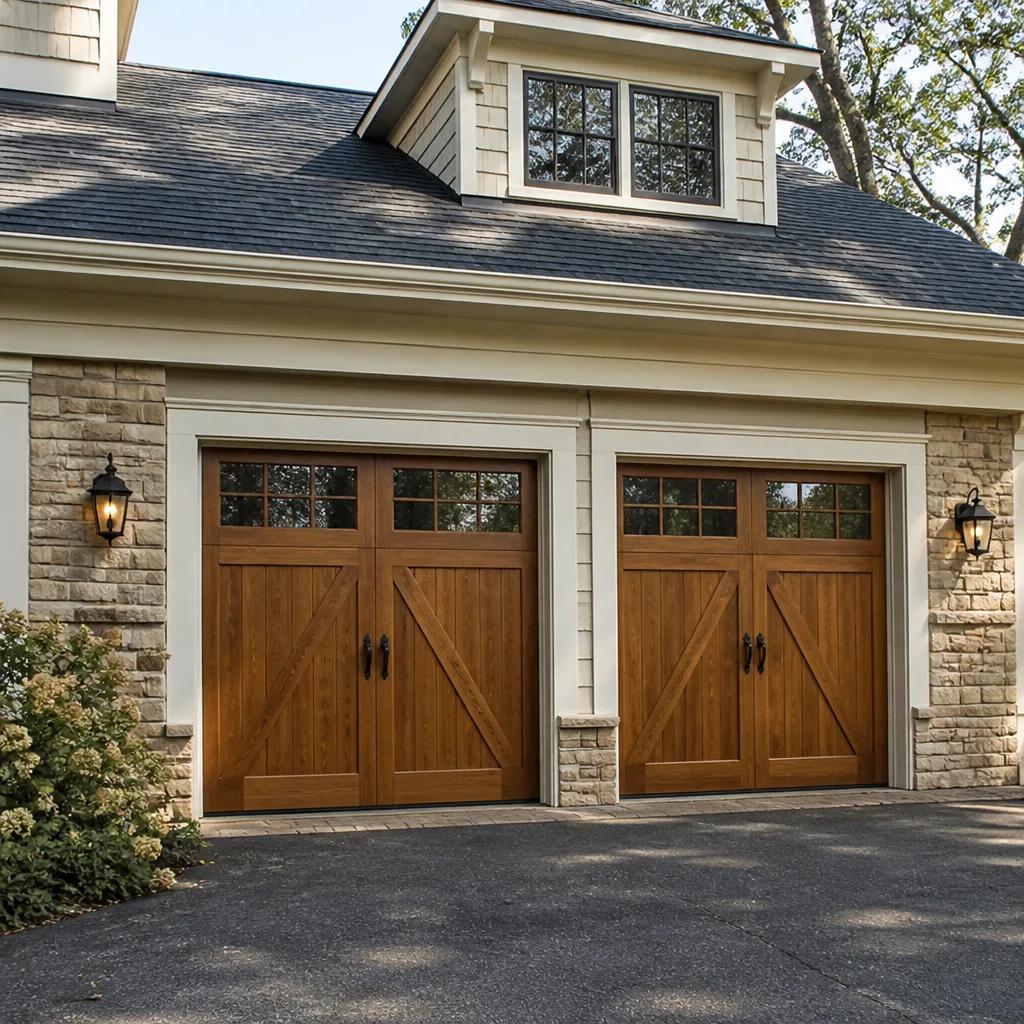 Carriage house
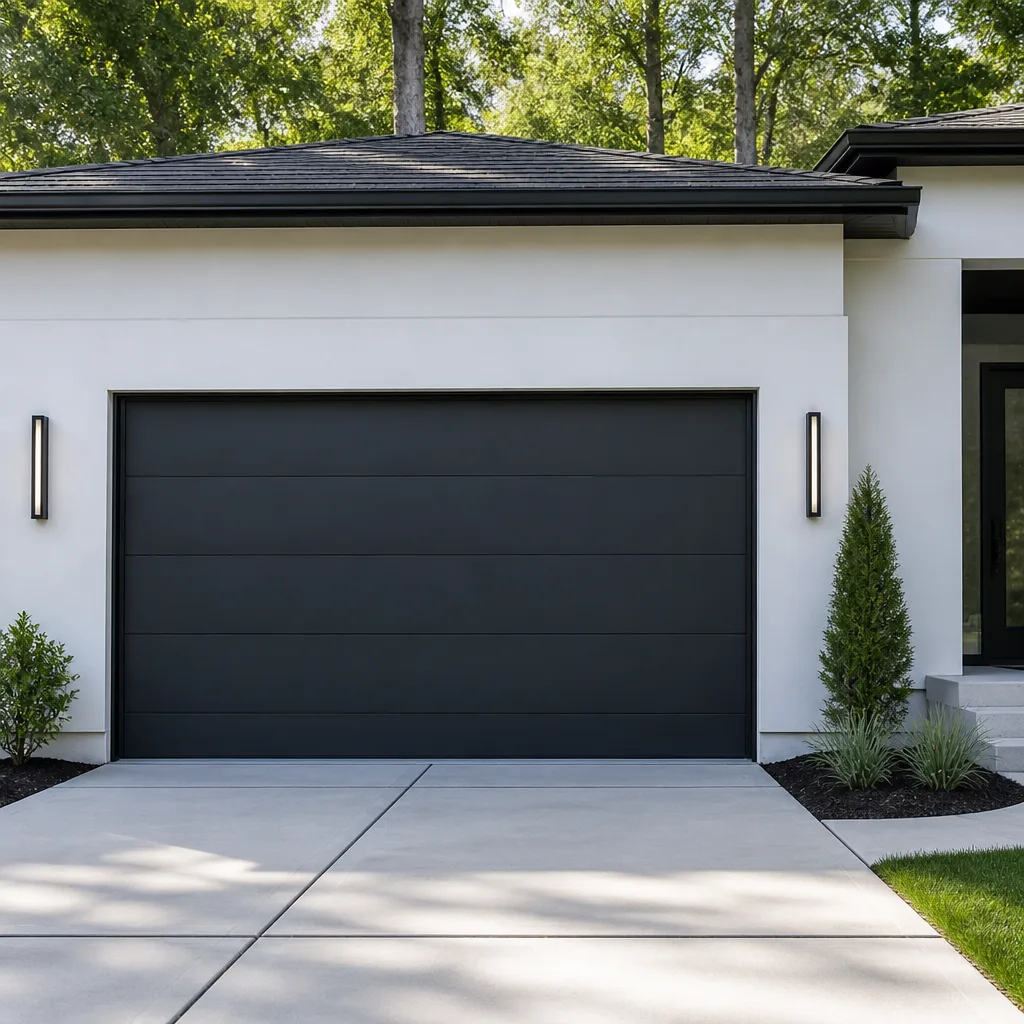 Modern flush
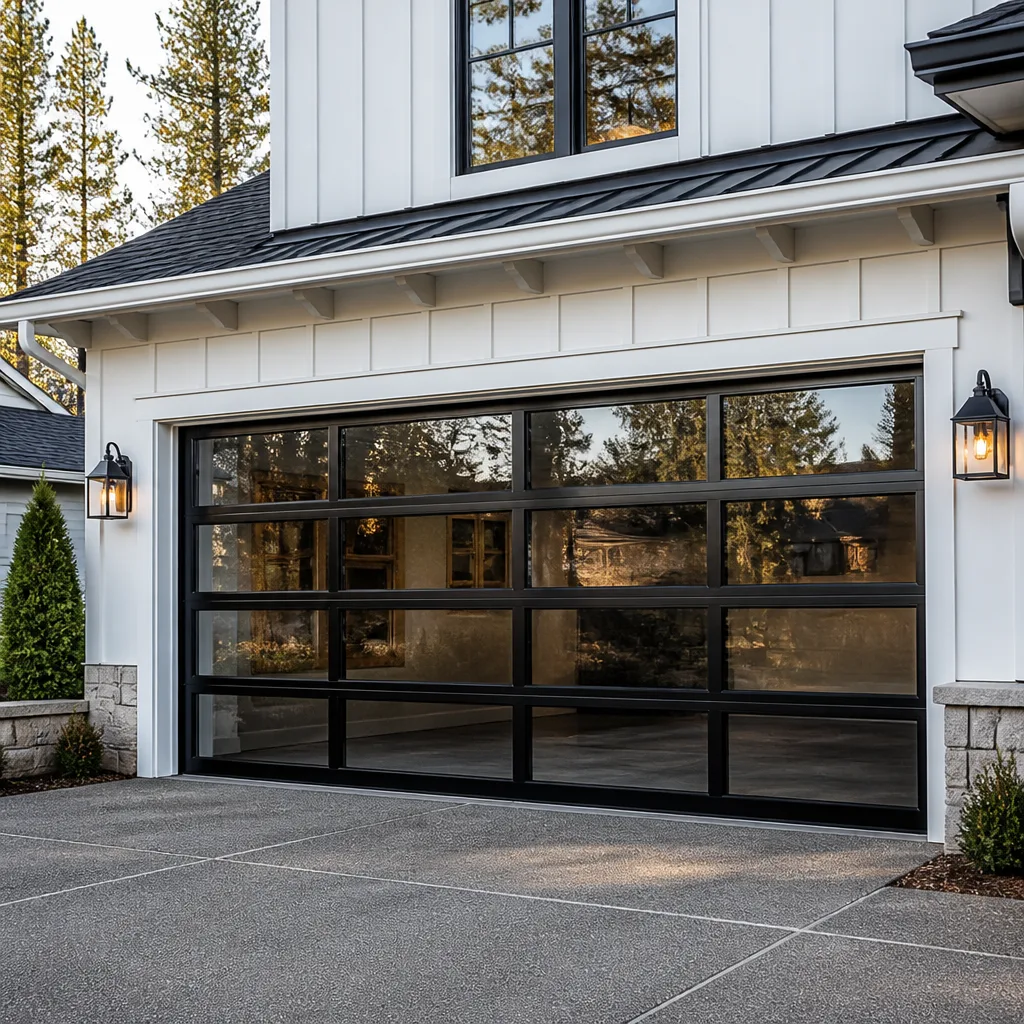 Full-view glass
 LiftMaster openers
 Chamberlain openers
Full 25-point door and opener safety check with every visit - springs, cables, rollers, tracks, and your LiftMaster or Chamberlain opener included
You get a price before we start. It does not change when the pro arrives.
Get your free estimateDIY vs Professional Garage Door: The Elizabeth Homeowner’s Decision Guide
Most advice on this subject is uselessly binary. One camp says never touch your garage door; the other says a determined homeowner can do anything with a YouTube video and a Saturday. Both are wrong, and they’re wrong in the same way: they treat garage door work as one category when it’s really two. There’s the work that carries a defined injury risk, and there’s the work that doesn’t. A torsion spring stores enough energy to break a wrist or crack a skull – that’s not a scare tactic, it’s why spring adjustment is treated as a skilled trade task. But swapping a worn roller, realigning a safety sensor, or lubricating hinges? Those are within reach of any homeowner with 20 minutes and the right product. This guide draws the line clearly, task by task, for Elizabeth homeowners deciding what to tackle and what to hand off.
Styles & brands we work with
- Raised-panel steel
- Carriage house
- Modern flush
- Full-view glass
- LiftMaster openers
- Chamberlain openers
Quick Answer
Some garage door jobs are genuinely safe for a homeowner: replacing rollers, realigning safety sensors, lubricating moving parts, and resetting the manual release. Others – torsion spring replacement, cable and drum work, and opener drive component replacement – should go to a trained technician because a failure can cause serious injury. If you’re in Elizabeth and you’re weighing DIY garage door repair versus hiring a professional, the deciding factor is whether the task puts you in contact with stored spring tension or high-tension cables.
Table of Contents
- How to Sort Garage Door Jobs: The Tension Test
- Jobs That Are Genuinely DIY-Appropriate in Elizabeth
- Jobs That Require a Trained Technician
- DIY Savings vs. Real Parts Costs in Elizabeth
- NJ Permits and Inspections: How They Change the Math
- The Sensor Realignment Mistake That Bends a Track
- What a Botched DIY Repair Actually Costs
- Common Mistakes to Avoid
- When to Call a Professional
- Frequently Asked Questions
- The Bottom Line
How to Sort Garage Door Jobs: The Tension Test
The single question that separates safe DIY from dangerous DIY is simple: does this task put my hands near stored spring energy or a cable under load? If the answer is yes, stop. If the answer is no, you can usually proceed with reasonable confidence.
Here’s what makes that question concrete. A garage door’s weight is balanced by springs – torsion springs mounted on a shaft above the door, or extension springs running along the horizontal tracks. Those springs hold the door in a state of near-equilibrium, which means a fully wound spring is carrying hundreds of pounds of force. When a spring is under tension and something releases it – a winding bar slipping, a cable snapping, a bracket giving way – the energy leaves all at once. That’s the hazard. It’s not that the door is heavy; it’s that the system stores energy and can release it faster than you can react.
The tension test sorts tasks cleanly:
- Below tension: rollers, hinges, the bottom seal, the safety sensors, the weatherstripping, the manual release cord, the opener’s light bulbs and battery backup. Lubricating any of these is safe.
- At tension: the springs themselves, the cables, the cable drums, the center bearing plate, and the bottom bracket where the lift cables attach. Any of these should be handled by a technician.
- In between: opener adjustments, remote and keypad programming, and limit switch adjustments. These involve low-voltage electronics and mechanical stops rather than stored energy – most are manageable, with care.
For Elizabeth homeowners, this matters because so many homes here have older doors with original springs. An older torsion spring that’s been weakened by years of use is more likely to fail during handling, not less – a spring that’s already failing can snap the moment you touch it. The age of the equipment is often the argument against DIY spring work, even for a handy homeowner who’s done similar repairs before.
There’s also a housing factor worth naming. Elizabeth’s mix of pre-war homes, mid-century capes, and newer construction means garage configurations vary widely – some have low-clearance openings where there’s barely room to stand with a winding bar, and low headroom makes spring work more awkward and riskier, not less. If your garage ceiling sits close to the door’s top edge, that’s an extra reason to leave the springs alone.
Our technicians have up to 10 years of experience, and one of the first things they assess on any call is clearance and spring condition, because the same job in two different Elizabeth garages can carry different risk. If you’re unsure which category a task falls into, that uncertainty is your answer: it belongs in the professional column. You can read more about the highest-risk jobs on our garage door spring repair page.
Jobs That Are Genuinely DIY-Appropriate in Elizabeth
We’re not going to pretend the whole door is off-limits. Several common repairs are well within the reach of a homeowner with basic tools, and doing them yourself is a reasonable choice when the door is otherwise healthy. Here’s the list we’d hand a neighbor who asked.
1. Replacing worn nylon or steel rollers
Rollers wear out quietly. Over time the bearings seize, the door gets loud, and the whole assembly starts to drag. Replacing a roller is a straightforward job: with the door fully open and the spring tension released for that section (or with the door held open on its track), you remove the roller bracket, slide out the old roller, and slide in a new one. The chief caution is not to remove the bottom bracket that anchors the lift cable – that bracket is under tension even when the door is up. Stick to the rollers and hinges above it.
2. Realigning the safety sensors
If your door closes partway and reopens, or won’t close at all, the culprit is usually a misaligned or dirty photo-eye. Wiping the lenses and nudging the sensor back to vertical or horizontal alignment is safe and quick. The sensor brackets are low on the track and hold no tension. See the track-mistake section below for the one thing that turns this into a bigger problem.
3. Lubricating the moving parts
Springs, hinges, rollers, and the opener’s drive rail all benefit from a proper garage door lubricant – a lithium or silicone-based product, not WD-40, which is a solvent rather than a lubricant. A quick lube every few months quiets the door and slows wear. It’s completely safe and probably the highest-value maintenance task a homeowner can do alone.
4. Resetting the manual release after a power outage or opener problem
If your opener lost power or the door got stuck, you may need to re-engage the manual release. The pull cord is there for exactly this. Setting it back is a matter of pulling the cord back down and cycling the door once to re-engage the trolley. No tension involved beyond the door’s own weight, which the springs already hold.
5. Replacing the bottom seal and weatherstripping
The rubber seal along the bottom of the door and the weatherstripping around the frame both wear out and let in drafts and water. These are held on with fasteners and slide into channels – safe to replace, and a genuine comfort win during a cold New Jersey winter.
6. Programming remotes and keypads
Replacing a lost remote or adding a keypad to a LiftMaster, Chamberlain, or Genie opener is usually a matter of following the manufacturer’s pairing process. It’s low risk and cheap compared to a service call. If your opener is a craftsman-style unit or a Genie with a learn button, the manual or the brand’s support page walks you through it.
What these jobs share: no contact with spring tension, no contact with lift cables. If a task you’re considering falls outside this list, treat it as professional work.
Jobs That Require a Trained Technician
The professional side of the line is defined by stored energy and the parts that manage it. These aren’t jobs we gatekeep for business reasons; they’re jobs where a mistake can hurt you and where a proper repair requires specific tools and knowledge of how the system balances.
Torsion and extension spring replacement
Replacing a spring means winding new spring coils to the tension the door needs – a calculation that depends on the door’s weight, height, and the spring’s wire gauge. It requires winding bars and the technique to keep clear of the spring while it’s under load. A spring that’s under-tensioned leaves the door bottom-heavy; one that’s over-tensioned puts extra strain on the opener and cables. Only a technician should do this work, and it’s a dedicated service for us, not an add-on. If you’re in Elizabeth with a broken spring, don’t try to lift the door manually to get the car out – that’s the scenario our garage door repair service handles with same-day response.
Cable and drum replacement
The lift cables run from the bottom corners of the door up to the drums on the torsion shaft. They’re under constant tension and a frayed cable can snap while you’re near it. Cable replacement is done with the spring tension released and the door blocked – a procedure that requires winding bars, the right cable, and careful re-tensioning. This is not a homeowner job.
Opener drive component replacement
Belts, chains, gears, and the drive sprocket inside an opener wear out. Replacing them means opening the unit and re-timing the drive assembly. The electrical risk is modest, but the mechanical risk (a mis-timed drive that tears itself apart on the first cycle) is real. If your opener is grinding or the drive is failing, it goes to the professional side. Our garage door opener repair covers everything from gear replacement to full unit diagnosis on your specific brand.
Track realignment and panel replacement
A bent track or a damaged panel affects the door’s balance and can lead to the door coming off its rollers. This is heavy, awkward work that requires removing and re-hanging the door or section – professional territory, and often it changes the door’s spring requirements.
Full door replacement
A new door is a measured purchase: the opening is measured, the door ordered to size, and the installation includes new springs, tracks, and hardware tuned to the door’s weight. If you’re considering an upgrade in Elizabeth, that’s a scheduled job, not a same-day one – the right approach is a free measure and a written quote. Brand familiarity matters here too – a team that works regularly with Clopay, Amarr, and Wayne Dalton doors knows the sizing conventions and hardware before the door arrives.
DIY Savings vs. Real Parts Costs in Elizabeth
Here’s the part the DIY videos skip. The savings from a do-it-yourself repair aren’t the retail markup you think you’re avoiding – they’re the labor difference, and on many jobs that difference is smaller than it looks once you’ve bought the correct parts at retail.
Consider what a homeowner actually spends on a common repair:
- Rollers: a set of good nylon or steel rollers at a home center typically runs a modest amount. That’s real savings against a service call, and the job is safe. This is a genuine DIY win.
- A torsion spring: the spring itself is usually inexpensive, but you also need winding bars, the correct spring sized to your door’s weight, and possibly a center bearing or cable. Buy the wrong spring and you’ve spent money on a part that will fail or won’t hold the door. The savings evaporate when you measure against a professional repair that includes the right spring, the labor to set it correctly, and the safe disposal of the old one.
- An opener: a replacement opener is a significant purchase, and installing one means wiring, mounting, and adjusting the travel limits and force settings. Buying the opener yourself and paying someone to install it rarely saves much against a professional installation with the unit included.
- Bottom seal and weatherstripping: cheap and safe. Another real DIY win.
The pattern: for parts that are small, standardized, and low-risk, DIY saves real money. For parts that are weight-specific, tension-dependent, or bundled into a larger system, the parts cost plus the risk rarely nets out in your favor.
One more Elizabeth-specific factor: parking and space. Many Elizabeth homes have tight driveways and narrow garages, and a DIY repair that requires the door fully open and both sides clear is harder to do safely. If you can’t comfortably stand with the door open and move around it, don’t attempt work that requires that space. Our team quotes per job in writing before any work starts, so the estimate you receive is the price – there’s no surprise number after the fact. If you want to compare a professional quote against your DIY plan, call us for a free estimate and use it as a benchmark.
NJ Permits and Inspections: How They Change the Math
Permits are where the DIY calculation gets quietly more complicated, and it’s a step most homeowners skip entirely.
Garage door replacement is generally treated as construction work in New Jersey, and construction work usually requires a permit from the local building department. Whether a permit is required for your specific project depends on the scope and the current rules in your municipality – which means the first call should be to your city’s building department, not to a video tutorial. For Elizabeth homeowners, the honest answer is: ask the city’s building department directly, because the rules can vary by project type and the department can tell you exactly what applies to a door replacement at your address.
Why this changes the DIY math:
- A permit may be required even for a homeowner doing their own work. Many municipalities allow homeowners to pull permits for work on their own primary residence, but the permit and the required inspection are still part of the process.
- An inspection adds a step and a wait. If the work has to be inspected before it’s considered complete, that scheduling is on you as the homeowner-permitter.
- An unpermitted replacement can create a problem at resale. When a home in Elizabeth is sold, an unpermitted addition or alteration can surface in the buyer’s inspection and complicate the closing. A door replacement is a visible exterior change, so it’s not the kind of work that goes unnoticed.
- The permit decision is part of what a professional quote should clarify. A responsible contractor tells you whether a permit is needed for the scope discussed and how it will be handled.
None of this means DIY work is illegal – it means the permit question should be answered before work starts, not after. For a simple roller swap or sensor alignment, a permit is not part of the picture. For a full door replacement, ask the city first.
The Sensor Realignment Mistake That Bends a Track
The most common DIY call we get isn’t from a safety sensor that won’t work. It’s from a sensor realignment that went wrong and took a track with it. Here’s the mistake, and it’s easy to avoid once you see it coming.
A safety sensor isn’t mounted in a fixed hole. It sits on a low bracket with some play, and when the door starts closing on a misaligned sensor, the door stops and reverses. The temptation is to bend the bracket back into position – and because the bracket is thin sheet metal, a small push can be enough to move it. That’s fine. The problem is what happens when the homeowner keeps nudging: the bracket bends, then the sensor seems aligned, then the door comes down at an angle that catches the door edge or a roller. Over a few cycles, the door has been pushed out of its track, and suddenly the repair isn’t a sensor alignment – it’s a track realignment with a door that needs to come down.
On the low-clearance garage configurations common in older Elizabeth homes, the sensors sit close to the door and the margin for error is smaller. A door that’s out of alignment has less room before it catches.
How to do it safely, in order:
- Turn the opener off at the wall or unplug it, and open the door fully so nothing can move unexpectedly.
- Wipe both sensor lenses clean with a dry cloth – dirt is the culprit more often than alignment.
- Check that both sensors are level and pointed at each other. The LED on each sensor is the guide: a steady light on both means they’re aligned.
- If you need to adjust, loosen the mounting screw slightly and pivot the sensor housing – don’t bend the bracket by hand. Move in small increments until the lights are steady.
- Reconnect power and test the door with a hand in the beam path: it should stop and reverse immediately.
If the door still won’t close after a careful alignment, the sensor itself may have failed, or the wiring may be damaged. That’s a repair call. If you’re not sure you can do steps 4 and 5 without bending anything, call a professional – a sensor alignment and a track repair are very different prices. If a technician does come out, a brand-familiar one will recognize your opener’s sensor setup – LiftMaster and Chamberlain photo-eyes, for example – and know where the wire runs on that model.
What a Botched DIY Repair Actually Costs
The honest version: most DIY garage door repairs don’t end in disaster. But the ones that do tend to cost more than the professional job would have, and the extra cost isn’t a scare number – it’s the mechanics of rework.
Here’s how a re-service call typically escalates:
- A spring replaced with the wrong size. The door works for a while, then the opener strains, the door gets heavy, or the spring fails early. The re-service call has to identify the correct spring, remove the wrong one, and install the right one. The homeowner has now paid for two springs and two installations.
- A cable that snaps during a DIY attempt. The cable was holding the door; when it fails, the door drops or twists, the track bends, and the repair now includes the cable, the drum, and possibly a panel and track. What would have been a straightforward cable repair becomes a multi-part job.
- A sensor realignment that bends a track. As described above, the re-service call is a track realignment – labor that could have been avoided.
- An opener installed with the wrong travel limits. The door slams at the bottom or reverses at the top, and over a few weeks the strain damages the drive. The re-service call may be a drive replacement, not an adjustment.
The pattern is rework. A professional job includes the right part, the correct installation, and the diagnosis that prevents a follow-up visit. A DIY job that goes wrong can cost the initial parts plus the professional repair – which is why the cost question isn’t simply “what does the part cost at retail?” but “what’s my total cost if this doesn’t go right?”
For the jobs on the professional side of the line, the safe move is a free estimate so you know the number before you decide. Free estimate, upfront pricing, and a written quote before any work starts – call (833) 654-0980 to get the benchmark for your door.
Common Mistakes to Avoid
- Trying to lift the door manually to clear a broken spring. With most torsion spring failures the door is far heavier than it looks, and a door that drops can crush fingers or toes. Leave the car where it is and call for emergency service – don’t force the door.
- Buying a torsion spring by sight instead of by measurement. The right spring depends on the door’s weight, height, and the wire gauge of the old spring. A spring that looks similar can be the wrong size and will fail early. Match by measurement, not appearance.
- Using WD-40 as a garage door lubricant. It’s a solvent, not a long-term lubricant, and it can strip the factory grease from hinges and rollers. Use a proper garage door lubricant.
- Forgetting to ask the building department before a replacement. For an Elizabeth door replacement, the permit question gets answered by calling the city’s building department. Do this before ordering a door, not after installation.
- Bending a sensor bracket rather than pivoting the housing. On the low-clearance setups common in older Elizabeth garages, a bent bracket is how a simple sensor alignment becomes a track repair. Loosen the screw and pivot instead.
- Adjusting the opener’s force settings to compensate for a heavy door. If the door feels heavy, the problem is usually a failing spring or worn rollers, not the force setting. Turning up the force puts more strain on the opener and the door; fix the root cause.
- Paying for a part twice by skipping the diagnosis. If the door won’t close or the opener won’t run, guessing at the part can mean buying the wrong one. Diagnosis first, then the part. A technician who knows your brand can often tell you what’s wrong before a dollar is spent.
When to Call a Professional
The clearest “call now” signals are the ones that involve stored energy or a door that’s not under control. Call a professional if:
- The spring is visibly broken (a gap in the coil, or the door is suddenly very heavy).
- A cable is frayed, kinked, or off its drum.
- The door is off its track or a panel is bent.
- The opener grinds, the door slams, or the trolley won’t re-engage after a manual release.
- The door is stuck open, which leaves your home unsecured, or stuck shut with a car inside.
- You’ve tried a sensor alignment and the door still won’t close.
- You’re considering a full door replacement and want a proper measure and quote.
We work on equipment from eight of the most widely installed brands in residential use – LiftMaster, Chamberlain, Genie, Craftsman, Clopay, Amarr, Wayne Dalton, and Raynor – so our technicians arrive already familiar with your hardware, not guessing at it. We offer same-day and emergency availability for the jobs that can’t wait, and free estimates in Elizabeth for the jobs you’re planning. Emergency availability means a call for a broken spring or a stuck door gets a place on the schedule, not a promise tied to a timer. Call (833) 654-0980 for a free estimate, or for urgent situations, know that we answer the phone around the clock.
See our Elizabeth Garage Door Repair Pros page for the full picture of what we handle, or call for the fastest path.
Frequently Asked Questions
No – spring replacement is not a safe DIY job, because winding a torsion spring exposes you to the highest stored energy in the system, and a slip can be serious or fatal. The spring has to be measured to your door’s weight, wound to a specific tension, and handled with winding bars by someone who understands the load. For Elizabeth homeowners, the county’s older housing stock makes this more important, not less, since older springs may have weakened. Call (833) 654-0980 for a free estimate.
Yes – roller replacement is genuinely within reach of a homeowner, provided you stay away from the bottom bracket and the lift cables. The job requires removing the roller bracket, swapping the roller, and re-inserting it, with the door fully open and the opener off. Buy rollers that match your door’s size and weight rating, and leave the cables alone. If the rollers are seized or the door is out of balance, call a pro – that’s a sign the problem is elsewhere.
Garage door replacement generally falls under construction work, and the permit requirement depends on current municipal rules and the scope of the job – so the right move is to call Elizabeth’s building department before you order or install a door. Even a homeowner doing their own replacement may need a permit and inspection. A professional quote should clarify the permit question for the scope discussed, and call (833) 654-0980 if you want that answered before you decide.
It depends entirely on the task. On genuine DIY jobs – rollers, sensors, seals, lubrication – the savings are real because the parts are inexpensive and the labor is safe. On spring, cable, and opener drive work, buying the right parts at retail plus the risk of a follow-up repair usually erases the savings. The estimate is free and the written quote sets the final price before any work starts, so use one as a benchmark. Call (833) 654-0980 for a free estimate.
A botched repair usually means rework: the technician has to diagnose the original problem, correct whatever the DIY attempt changed, and replace any parts that were damaged along the way. That’s why the total cost of a failed DIY job can exceed the professional price. If you’re in the middle of one, stop, leave the door where it is if it’s not secure, and call for a professional diagnosis rather than trying to fix the fix. Call (833) 654-0980.
We work on equipment from eight of the most widely installed brands in residential use: LiftMaster, Chamberlain, Genie, Craftsman, Clopay, Amarr, Wayne Dalton, and Raynor – covering both opener makers and door makers. That familiarity means the technician who arrives already knows how your system is put together, which shortens the diagnosis. If you’re not sure of your brand, a photo of the opener or the door’s label helps. Call (833) 654-0980 for a free estimate.
We offer same-day and emergency availability for broken springs, stuck doors, and other time-sensitive failures. Call (833) 654-0980 – we answer 24/7, and a call outside dispatch hours is booked into the next opening, Sunday through Friday, 7am to 7pm. If your door is stuck open and your home isn’t secure, treat it as an emergency and call rather than waiting.
The price is quoted and agreed before any work starts, in a written estimate that sets the final price – so the number you agree to is the number you pay. The estimate is free. If the diagnosis reveals something beyond the original scope, we explain it and you approve it before we proceed. Call (833) 654-0980 for an exact quote.
The Bottom Line
The DIY question isn’t about self-reliance; it’s about stored energy. Rollers, sensors, seals, and lubrication are safe, cheap to do yourself, and worth doing. Springs, cables, drums, and opener drive work carry real injury risk and real rework risk, and the parts cost usually undercuts the savings. For Elizabeth homeowners, add the permit question before any replacement and the low-clearance configurations in older garages, and the line becomes clear. When you’re ready to get a professional quote, or you’re not sure which side of the line a job is on, call us. Free estimates, upfront pricing, and a written quote before any work starts. Call (833) 654-0980. We answer 24/7. Fast dispatch from 7am to 7pm, Sunday through Friday.
Written by the team at Elizabeth Garage Door Repair Pros.
See the difference
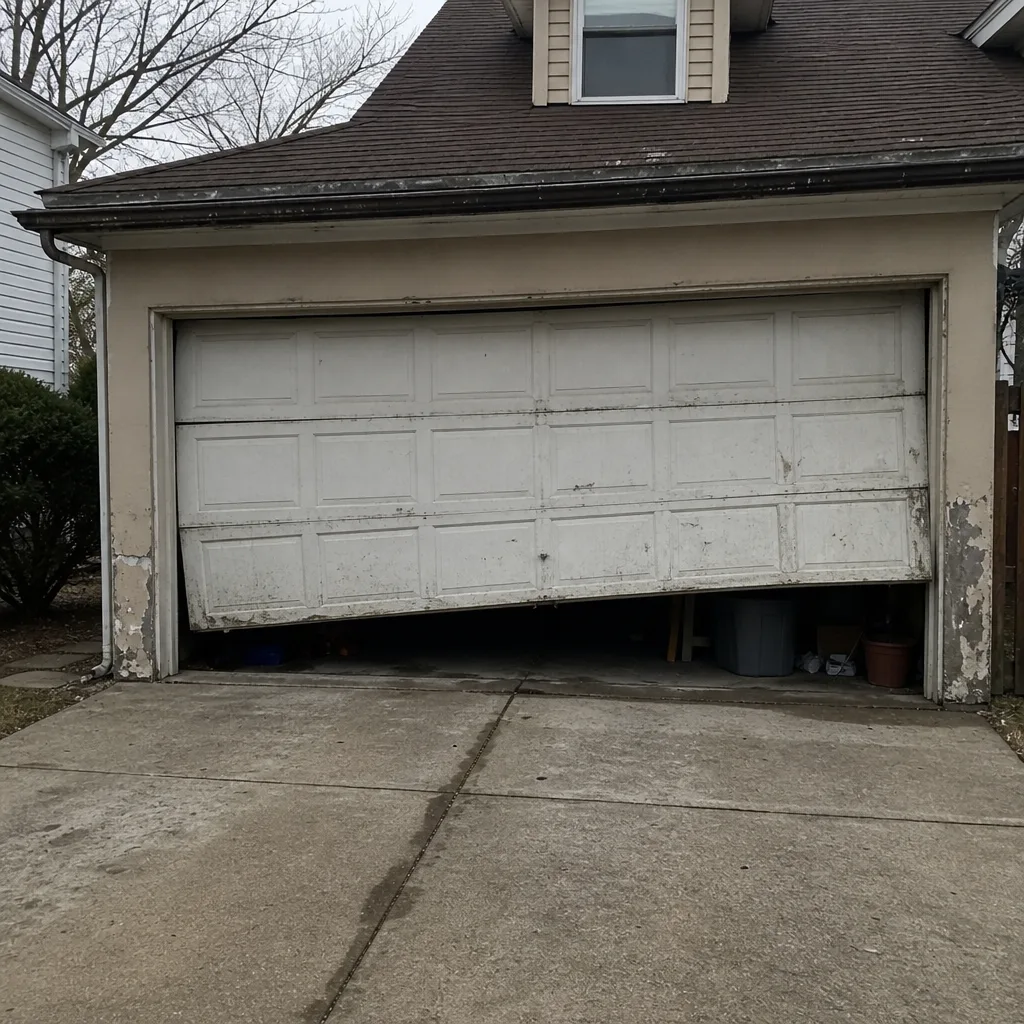 Before
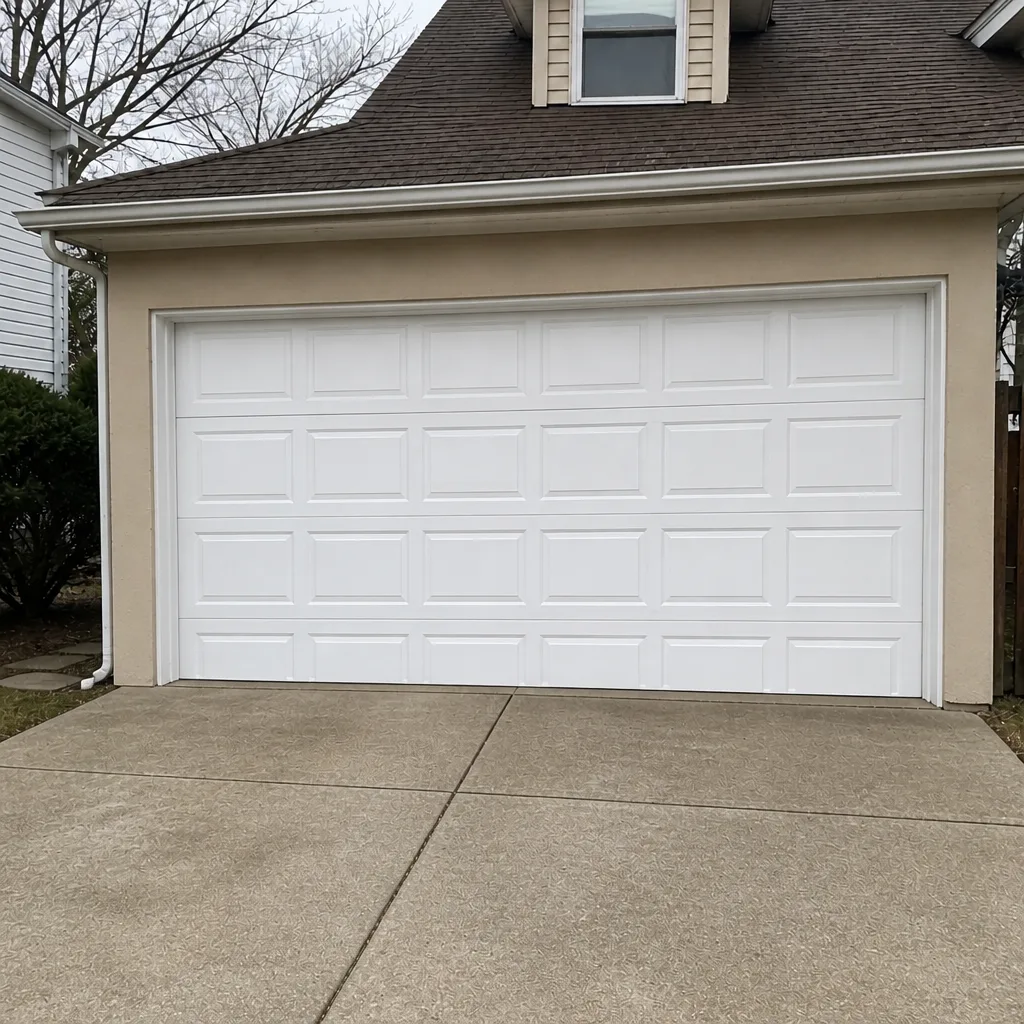 After
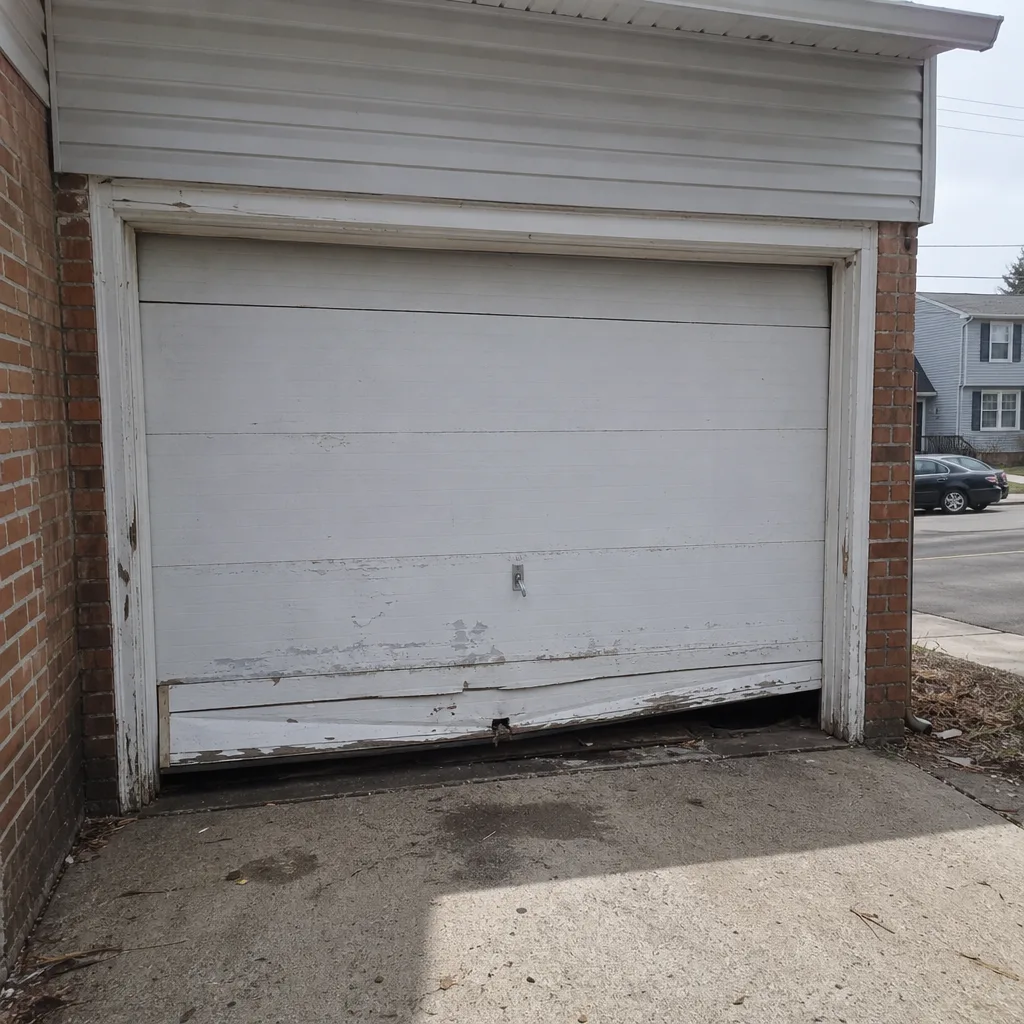 Before
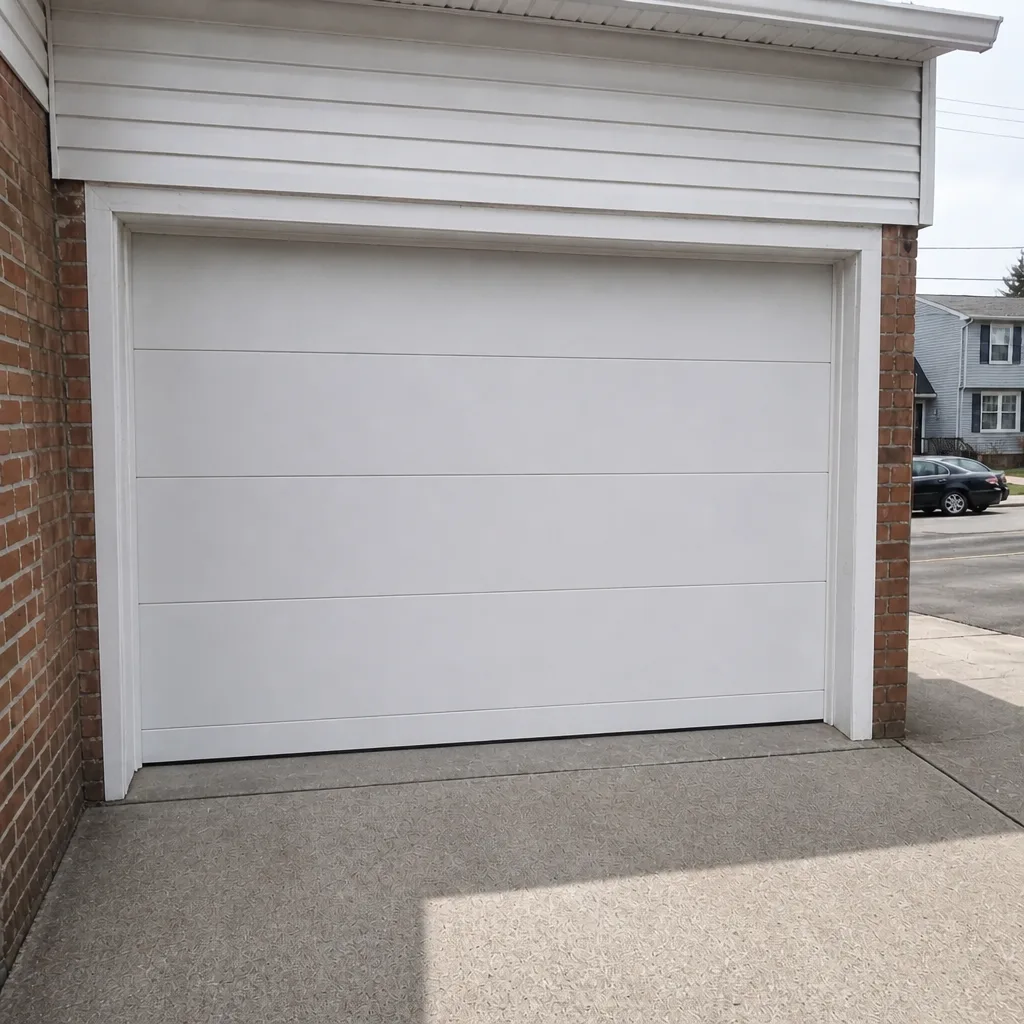 After
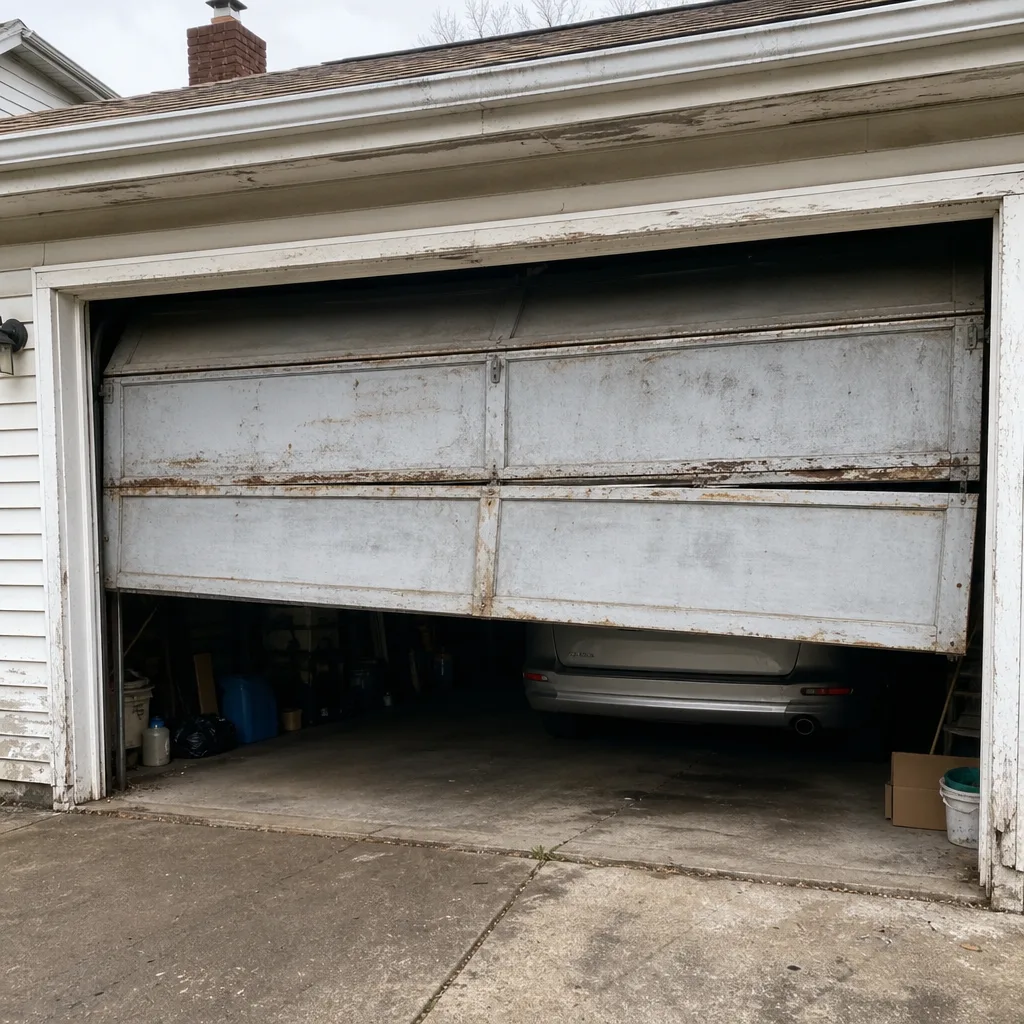 Before
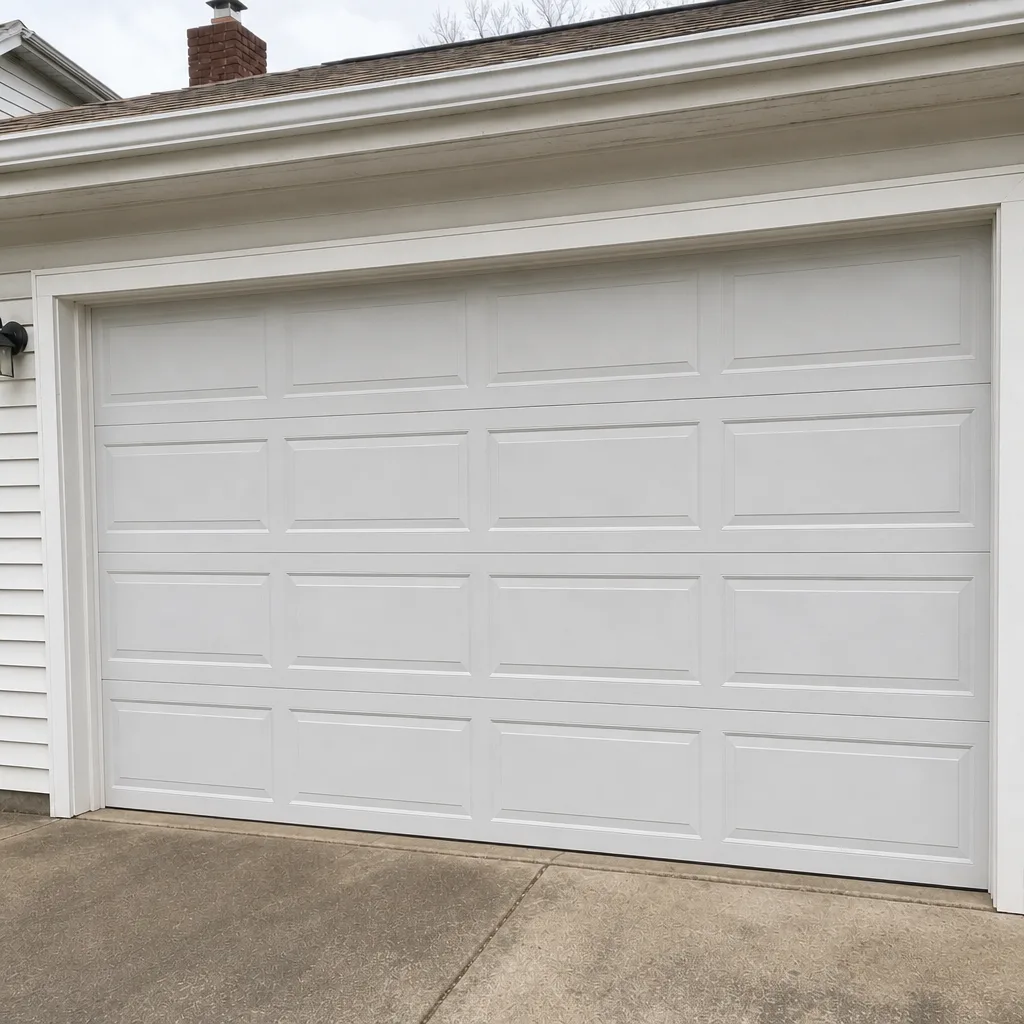 After