
Last updated November 20, 2026
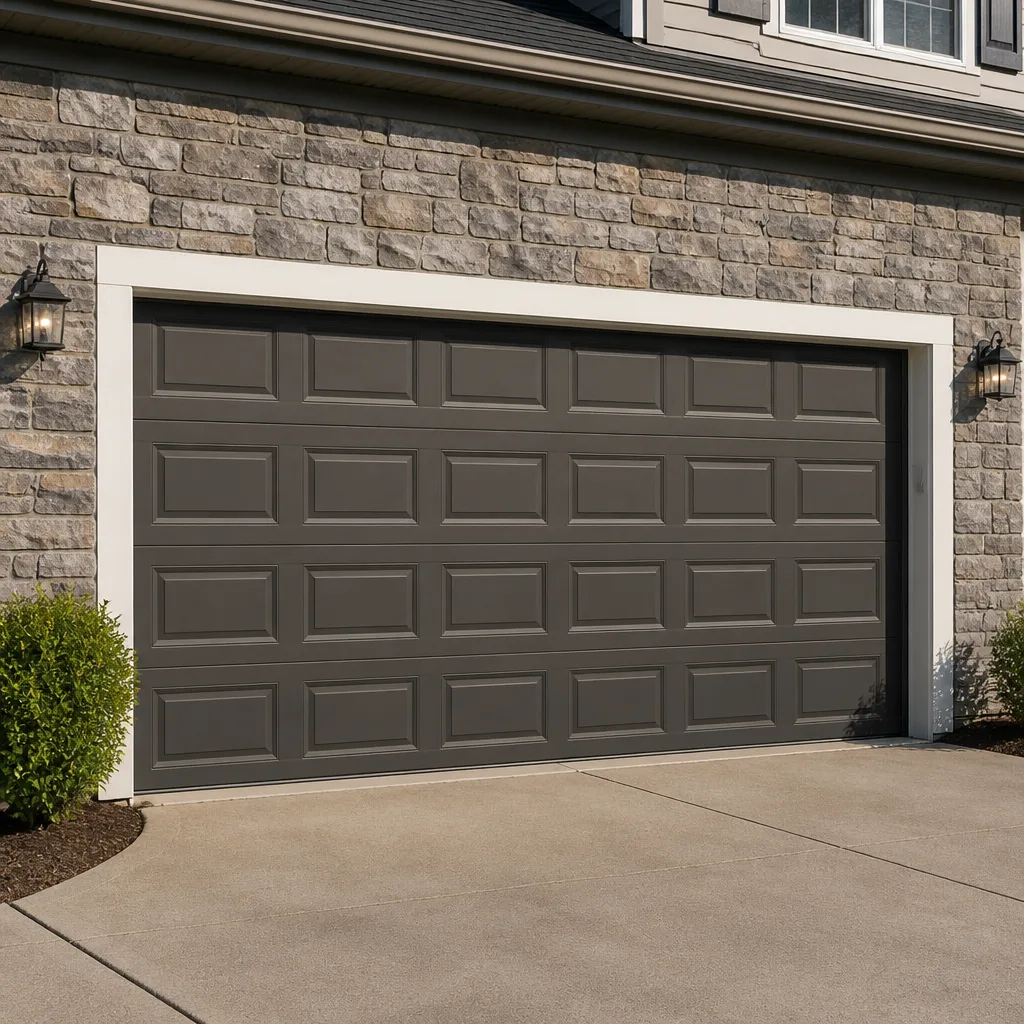 Raised-panel steel
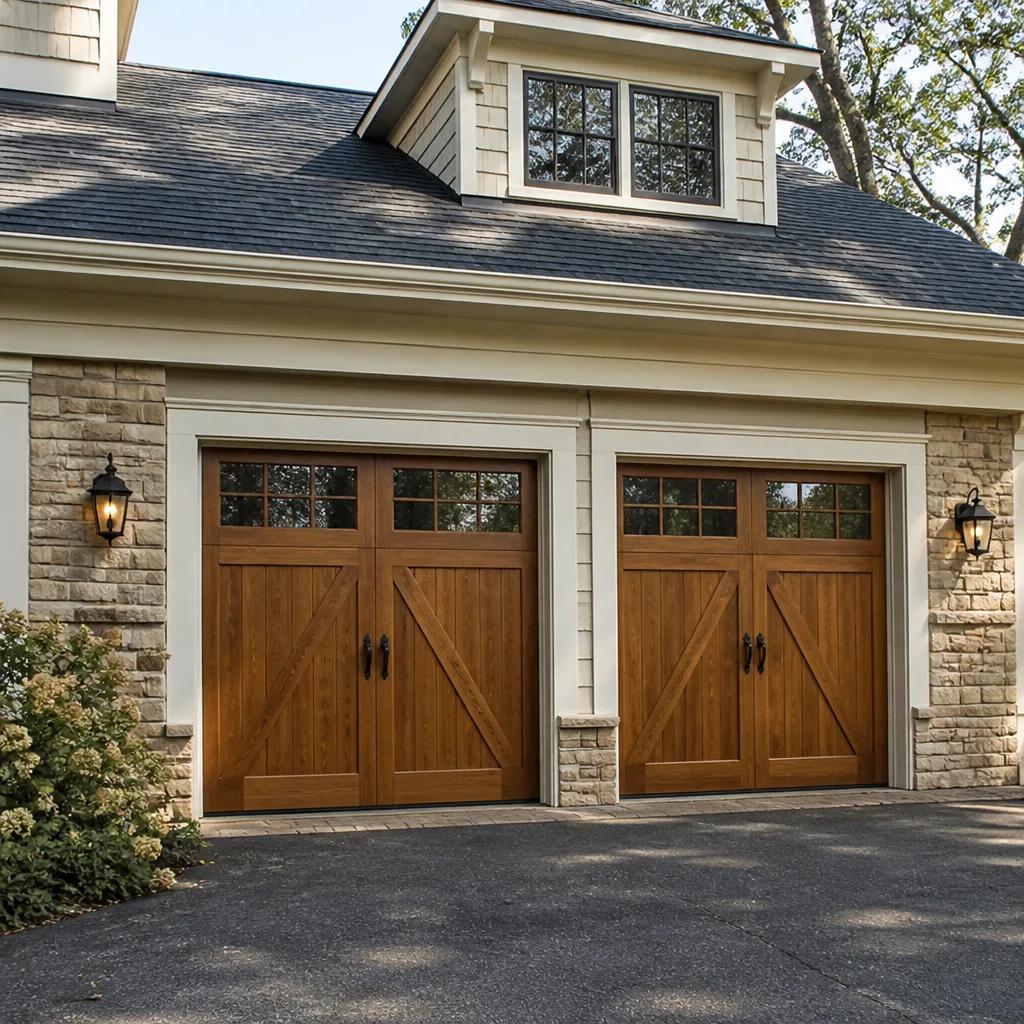 Carriage house
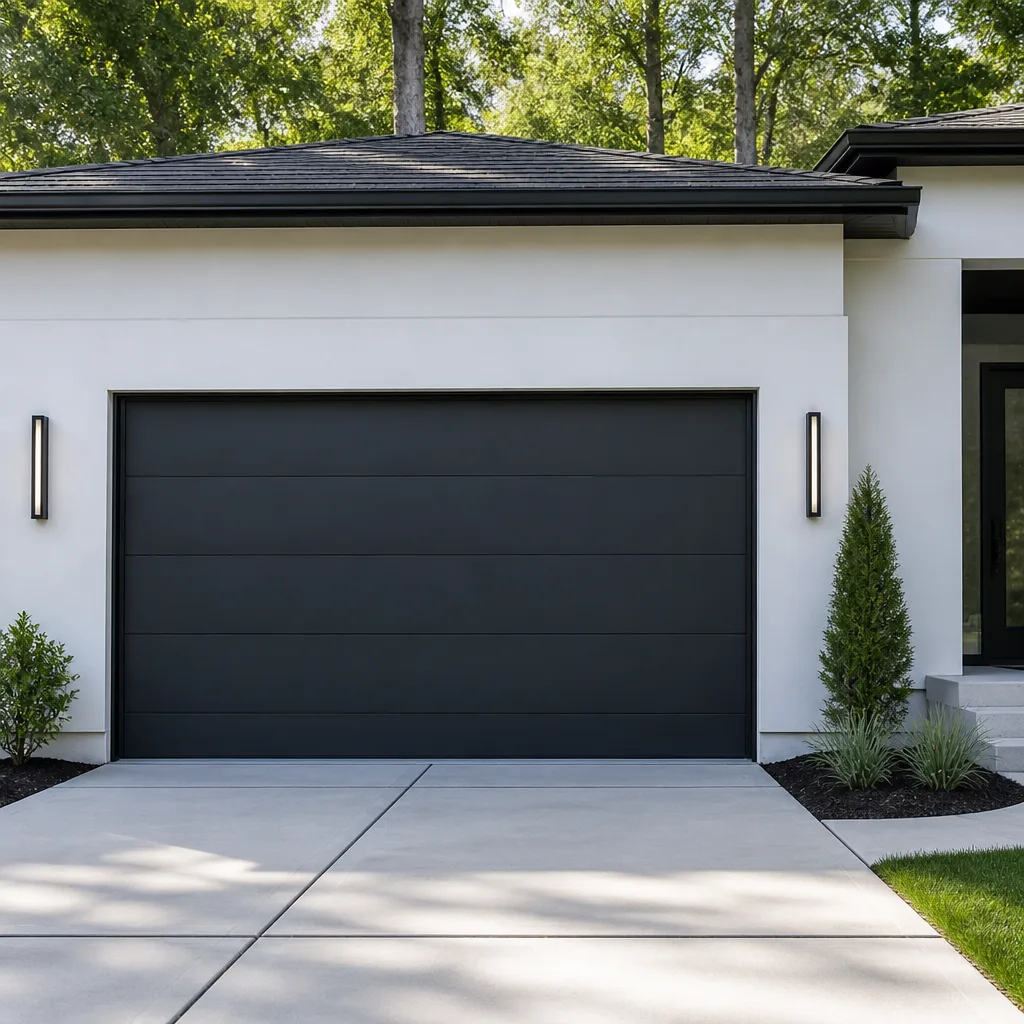 Modern flush
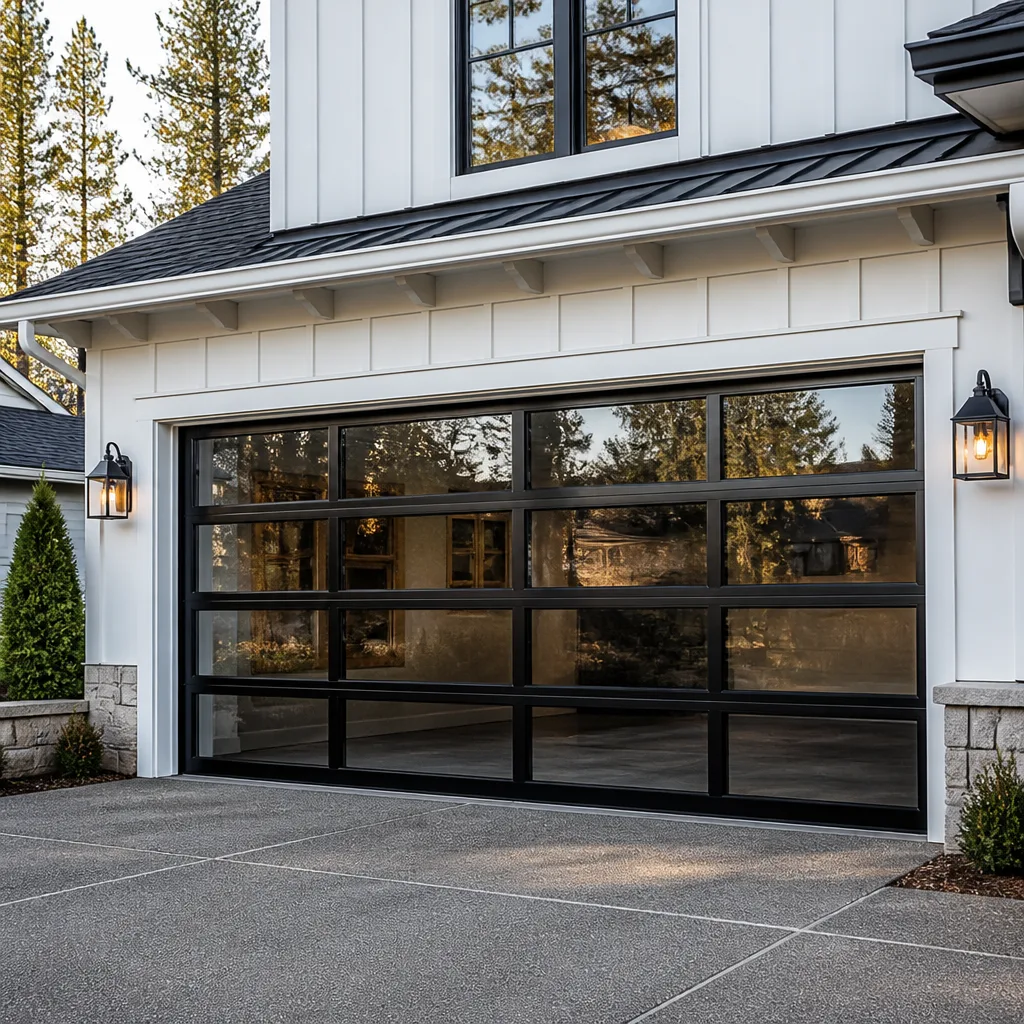 Full-view glass
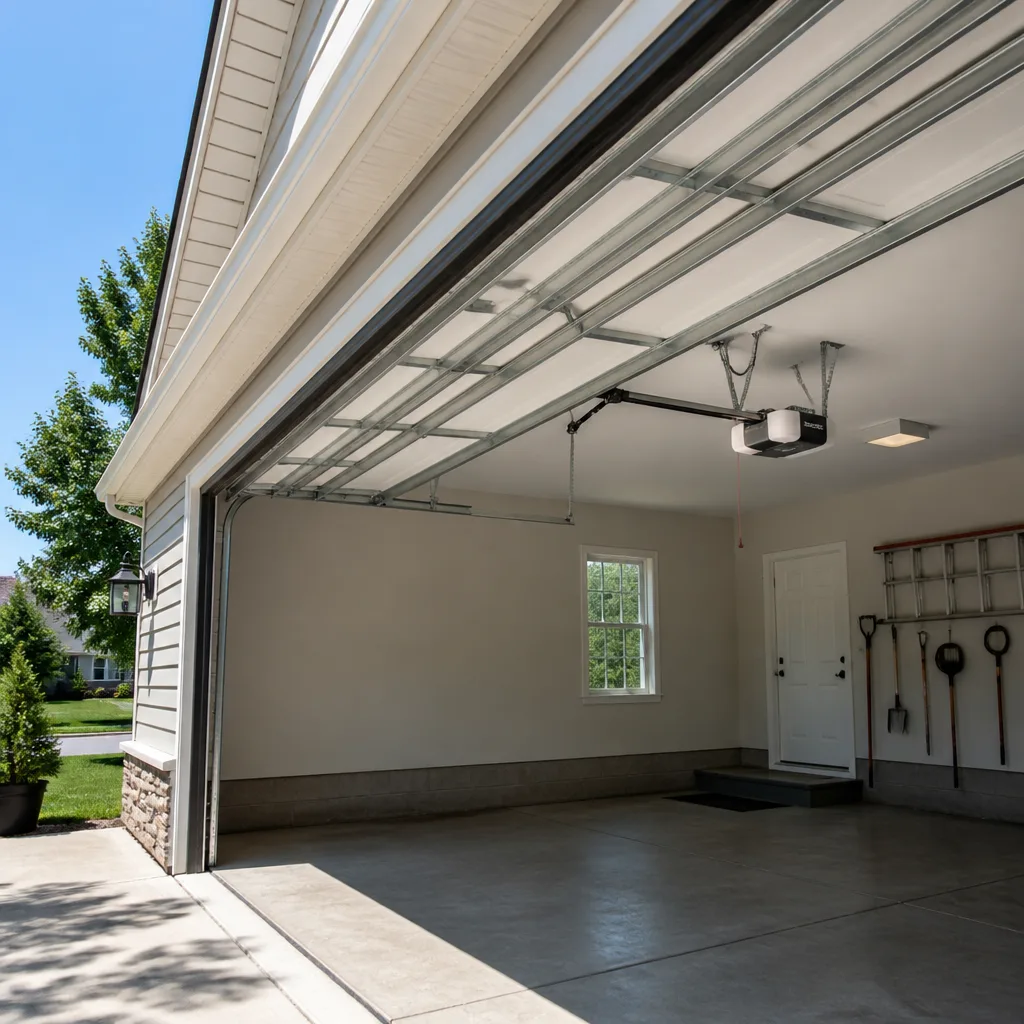 LiftMaster openers
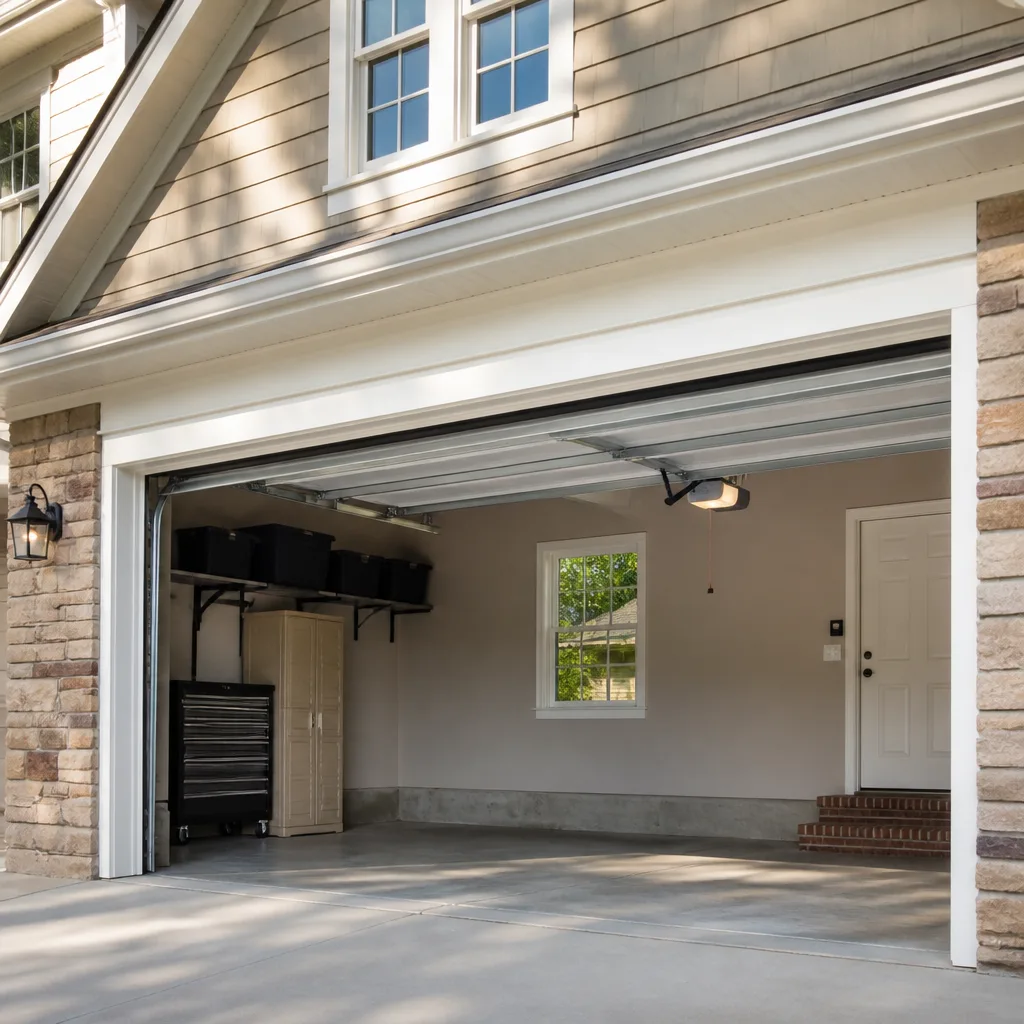 Chamberlain openers
Full 25-point door and opener safety check with every visit - springs, cables, rollers, tracks, and your LiftMaster or Chamberlain opener included
You get a price before we start. It does not change when the pro arrives.
Get your free estimateGarage Door Warning Signs: An Elizabeth Homeowner’s Reference Guide
A garage door that hesitates for half a second before it moves isn’t quirky. It’s a torsion spring that’s lost enough tension that the opener now has to work outside its rated torque, and that combination usually produces a full failure within 30 to 60 days. The obvious problems get all the attention: the door that won’t open, the opener that hums and does nothing, the panel hanging off its track. The subtle ones are the ones worth reading about, because they’re the ones that leave you a repair window. This guide covers what to listen for, what to look at, and what each symptom actually points to, written for the specific housing stock and weather we deal with in Elizabeth.
You’ll learn how to tell a fraying cable from a dry roller bearing by sound, why a door that opens fine but closes slowly is usually an opener setting and not a spring, and how to read the error codes on a LiftMaster or Chamberlain unit before you pick up the phone.
Quick Answer
The warning signs that matter most on a garage door are the ones that show up before failure: a half-second hesitation before movement, a sharp snap or pop from one side during travel, a door that lifts unevenly with one side lower mid-travel, rust at the coil ends of the springs or at the cable anchor points, and an opener that closes the door slowly while opening it normally. Each of these points to a specific component – spring tension, cable wear, roller bearings, or a limit switch – and catching them early usually means a repair instead of an emergency.
Styles & brands we work with
- Raised-panel steel
- Carriage house
- Modern flush
- Full-view glass
- LiftMaster openers
- Chamberlain openers
Table of Contents
- The Early Warning Signs Most Homeowners Miss
- Sound Profiles: Fraying Cable vs. Dry Roller Bearing
- What Uneven Door Movement Tells You
- Reading Opener Error Codes Before You Call
- Why a Door Opens Fine but Closes Slowly
- Rust Patterns That Mean Replacement Is Overdue
- Safety Limits: What You Should Never Adjust Yourself
- How Elizabeth Weather Accelerates Wear
The Early Warning Signs Most Homeowners Miss
Most garage door guides open with the door that won’t move. That’s the end of the story, not the beginning. The signs that give you a repair window are quieter, and they cluster in three categories: how the door moves, how it sounds while moving, and what it looks like at the wear points. Homeowners in Elizabeth walk past all three every day without noticing, which is why the failure usually announces itself on a Tuesday morning when the car is on the other side of the door.
Here’s what to watch for:
- Hesitation at the start. A pause of even half a second between the opener engaging and the door moving is a torque problem. Usually the spring has lost tension and the opener is doing more lifting than it was designed for.
- A single sharp pop during travel. Not a rattle, not a hum. One distinct pop from one side of the door is often a cable strand letting go or a drum catching. That one is time-sensitive.
- A door that pauses mid-travel. The door starts, stops, then continues. On a chain-drive opener this can be a worn gear; on a belt-drive it’s often the travel limit or a bind in the track.
- Visibly slow closing. If you’ve noticed the down cycle is slower than the up cycle, note that specifically when you call. It’s a completely different repair.
- Rust at the coil ends or cable anchor points. Springs and cables wear from the ends inward. Surface rust in the middle of a spring coil is cosmetic; rust at the coil ends near the center bearing plate or the cable anchor bracket is structural.
None of these are cosmetic. Catching any one of them early is the difference between a scheduled repair and a door that’s stuck. If you’re seeing two or more of these at once, that’s the point to call for a proper look at garage door repair in Elizabeth rather than wait and see.
Sound Profiles: Fraying Cable vs. Dry Roller Bearing
These two problems get confused constantly, and confusing them costs homeowners either money or time. A fraying cable is a structural failure in progress. A dry roller bearing is a maintenance issue that will eventually cause wear but isn’t dangerous in the short term. The sound is where they diverge.
A fraying cable sounds sharp. Picture a violin string being plucked. The cable is under high tension, and as individual strands break the remaining ones vibrate at a higher pitch. You’ll hear it as a single metallic ping or a brief squeal, usually right as the door starts or stops, not during continuous travel. If you hear it more than once in a week, stop operating the door until someone looks at it. A cable that lets go under load is a genuine safety event.
A dry roller bearing sounds dull and continuous. It’s a rolling grind or a low groan that follows the door through the whole travel, louder as the door goes up, and it usually comes from one or two rollers rather than the whole door. It changes pitch as the door passes the curved track section. Rollers are cheap and the fix is straightforward, but if you ignore them long enough they flat-spot and start skipping inside the track, which then forces the door out of alignment.
What separates the two in one listening test:
- Stand inside the garage and operate the door once.
- If the sound is one sharp crack or ping at the start or end, and nothing during travel, think cable.
- If the sound is continuous, dull, and grows louder at the curved track section, think roller.
- If you hear both, the cable is the one that takes priority.
Cable work is not a homeowner job. The cable is what carries spring tension to the door, and it sits under the same load as the spring itself. This is where we’re careful and where we ask you to be too: cables and springs are the two parts of a garage door system that injure people who try to work on them. We cover the whole system, from opener to panel, and that includes both cables and garage door spring repair, but the work needs a trained hand.
What Uneven Door Movement Tells You
A door that lifts unevenly, with one side visibly lower than the other mid-travel, is a classic symptom homeowners misdiagnose. The instinct is to blame the opener, because the opener is the part you hear. In our experience it’s almost always spring tension or cable drum alignment, and which one it is determines whether the fix is a spring adjustment or a full spring replacement.
Here’s the distinction, and it matters:
- One side lagging at the very start, then catching up. Spring tension is uneven. On a two-spring system, one spring has lost more tension than its twin. The door levels out because the opener pulls the lagging side through, but the spring is no longer carrying its share of the weight.
- One side consistently lower through the entire travel. The cable drums aren’t aligned. The cables are spooling at different rates, so the door is genuinely being lifted higher on one side than the other. This wears the track and the rollers on the low side and will eventually bind the door.
- A door that’s level going up but crooked coming down. Usually a travel limit issue combined with a minor drum misalignment. It’s the least urgent of the three, but it still needs correcting.
Uneven travel also accelerates wear on everything else. The rollers on the low side take more load, the track takes more lateral force, and the opener motor works harder with each cycle. That’s how a small spring problem becomes a spring plus roller plus track problem over a few months. Uneven movement is the sign most worth catching in Elizabeth, where a lot of homes have doors that have been cycling the same track and the same springs for years without anyone looking at them.
Spring replacements are quoted per spring. A matched pair is usually replaced together when it’s a two-spring setup, so a pair costs roughly twice a single spring replacement. Worth knowing before you ask for a quote.
Reading Opener Error Codes Before You Call
If your opener is a LiftMaster or Chamberlain, the error code is a diagnosis, not just a warning light. Both brands use the same family of codes on most residential units, and reading the code before you call saves a step and helps whoever you speak with know what to expect. You’ll find the code in the same place on most units: the LED on the back of the motor housing, or on the control panel depending on the model. The pattern is a number of flashes, a pause, then a repeat.
- Count the flashes in one burst. The opener will pause and repeat. Count one burst, not every flash you see.
- Match the count to the chart. One flash through six flashes each point to a specific component. The chart is usually printed on the motor housing label or in the owner’s manual.
- Note when it happens. Codes that trigger on the up cycle point to one thing, codes on the down cycle point to another. The timing is as useful as the number.
- Note the brand. A LiftMaster code and a Genie code aren’t the same thing, and neither are Amarr door faults versus opener faults. Same symptom, different manufacturer, different diagnostic path.
What the codes usually mean in broad terms: the shorter flash counts tend to point at sensor alignment and safety-reverse issues, which are the simplest fixes. The longer and more specific counts point at travel limits, force settings, and motor or logic board faults. A code that repeats every cycle and won’t clear after a power cycle to the opener is the one that tells you the repair is inside the unit, not at the door. That’s when it’s garage door opener repair territory rather than a quick reset.
Wayne Dalton and Craftsman units have their own diagnostic patterns, and the brand roster we work with – LiftMaster, Chamberlain, Genie, Clopay, Amarr, Wayne Dalton, Craftsman, and Raynor – exists because the diagnostic experience differs so much between them. We work on your brand rather than applying a generic fix to whatever’s in front of us. That matters when the code is telling you one thing and the door is doing another.
Why a Door Opens Fine but Closes Slowly
A garage door that opens at normal speed but closes slowly is almost always a limit switch or down-force setting problem, not a spring problem. That distinction changes the repair cost significantly. Spring work is the more involved of the two; a limit switch adjustment is a much smaller job. Homeowners who assume the slower close means the spring is going out often end up paying for the wrong diagnosis before anyone touches the door.
Here’s why they get confused. The spring does most of the work on the up cycle, so a failing spring shows up as a slow or struggling open. The down cycle is gravity-assisted, and the opener is controlling the speed rather than the lifting force. If the close is slow, the opener’s down limit or force setting is the likely cause, and the spring is probably fine.
The exceptions worth knowing:
- Slow close with a loud hum on the opener. Usually the travel limit is set too conservatively. The opener keeps pulling against the limit. Straightforward adjustment.
- Slow close and the door reverses before hitting the floor. Safety-reverse triggering early. Either the photo-eye is misaligned or the down-force is set too light. Either way, this one needs attention, because a door that reverses early leaves the garage open.
- Slow close and the door stops partway down. This is the one that can be a spring issue alongside the limit problem. If the door’s balance is off, the opener’s force settings can’t compensate.
When you call, describe it exactly like that: “opens normally, closes slowly, no other symptoms.” It makes the diagnosis faster and the estimate more accurate, because whoever you speak with knows to ask about the limit and force before the spring.
Rust Patterns That Mean Replacement Is Overdue
Rust is the most misread warning sign on a garage door, because it’s the easiest to see and the hardest to interpret. Location matters more than amount. Rust on the door panels is cosmetic. Rust on the springs and cables is a wear indicator, and specific patterns tell you how close to the end of the component’s life you are.
Where to look, and what it means:
- Coil ends of the spring, near the center bearing plate. This is the highest-stress point on a torsion spring. Surface rust starting here is normal, but pitting or flaking rust means the metal has lost cross-section and the spring’s rated life is close to done. This is the first place to check.
- Cable anchor points, where the cable meets the drum and the bottom bracket. Rust at the anchor point is a stress-corrosion indicator. A cable that’s rusted at the anchor is more likely to fail there than anywhere else along its length.
- Roller stems, where the roller meets the hinge. Rusted roller stems mean the bearing is likely dry, which is why you get the rolling grind covered earlier. The rust and the sound usually come together.
- The bottom bracket. This part takes the full load of the door at the bottom of travel. Rust creeping into the bracket is a reason to have the bottom of the door inspected, not just the springs.
What you’ll want to watch for in Elizabeth specifically is the combination of winter road salt tracked into the garage and the freeze-thaw cycle. The salt pulls moisture out of the air inside a closed garage and holds it against metal, which is why a lot of Elizabeth doors show rust on the springs before anyone would expect it on a door that’s not old.
What you can do yourself: look at those four points, from a distance, without touching anything. What you should not do is clean or oil the springs. Coil springs don’t get lubricated, they get inspected. Cleaning them can knock loose surface rust that’s actually holding a fatigued coil together, and any contact with a loaded spring is a risk. If the springs at the coil ends look pitted or flaky, that’s the point to call for garage door spring repair.
Safety Limits: What You Should Never Adjust Yourself
Garage doors have two components that cause serious injury when handled by someone without the training, and they’re the two that fail most often. The torsion spring and the cables both sit under high tension, and releasing that tension in an uncontrolled way is what causes injuries. The warning signs in this guide exist so you can catch those failures and get someone out before it gets to that point.
What you should not do: unwind, adjust, or remove a torsion spring, even to “take a look.” Don’t cut or loosen a cable, even one that’s already fraying. Don’t loosen the set screws on a cable drum. Don’t operate a door with a visibly broken spring. Don’t try to lift a door by hand to check the balance if you’re not sure of the spring’s condition.
What you can safely check: the photo-eye alignment (the sensors at the bottom of the track), the opener’s error code, whether the door moves smoothly by eye, and the four rust points covered above. A visual check of spring condition from a distance is fine; anything requiring contact is not.
Elizabeth’s housing stock is varied – row houses on tight lots with low-clearance doors, single-family homes with wider two-car doors, and everything between. What the doors share is that they’ve cycled thousands of times and the wear components are past their rated life on a lot of them. That’s not a reason to panic. It’s a reason to look at the four points above once a season and call when something changes.
How Elizabeth Weather Accelerates Wear
Springs, cables, and rollers don’t wear at a consistent rate. They wear in seasonal bursts, and the bursts come from temperature swings rather than steady conditions. Elizabeth gets a genuine four-season cycle, with humid summers and hard winter freezes, and the freeze-thaw pattern is the part that does the most damage to garage door hardware.
Here’s how the cycle works on your door:
- Summer humidity drives moisture into the cable anchor points and the coil ends of the springs. Surface rust starts in these hidden spots, where you can’t see it until it’s already started eating the metal.
- Winter freeze pushes the moisture into the smallest cracks in the metal and holds it there. The freeze-thaw repeat is what pits a spring.
- Winter road salt on the car floor and the tires gets tracked into the garage and stays there. Salt holds moisture against metal longer than plain water, which is why the anchor points are usually the first place rust shows.
- Spring thaw is when the accumulated rust weakens a spring or cable enough that a normal cycle becomes the last one. It’s not a coincidence that springtime is when a lot of doors fail.
The practical takeaway is this: check your door in late fall, before the freeze, and again in early spring, after the thaw. Those are the two windows where a small problem is still a small problem. Call for a free estimate if you see anything on the list.
If you’re considering a replacement rather than a repair, the door manufacturers on our roster cover a wide range of what you might already have – Wayne Dalton and Amarr both offer residential doors in common Elizabeth sizes, and Craftsman and Raynor openers pair with most of them. The right parts for your specific door matter more than the brand name when it comes to a smooth install.
Common Mistakes to Avoid
- Oiling the springs to “fix” a noise. Coil springs don’t get lubricated. A spring noise is a tension problem, and oiling it doesn’t change the tension, it just masks the symptom. Call for a proper inspection instead.
- Assuming a slow close means the spring is failing. In our experience this is the most expensive mistake Elizabeth homeowners make, because the spring is often fine and the fix is a small limit switch adjustment. Check the opener code first.
- Blaming the opener for a lagging door. If the door lags on one side and catches up, the opener is doing its job. The problem is spring tension or cable drum alignment, and replacing the opener won’t fix it.
- Confusing a dry roller with a fraying cable. A sharp ping at the start of travel is a cable. A continuous grind is a roller. The cable is the urgent one; the roller can usually wait a week. Getting them the wrong way round costs you either panic or a cable failure.
- Driving on a door that’s already popping. The pop is the door telling you something takes load and now doesn’t. Every cycle after that wears the rest of the system harder. Schedule the repair, don’t “wait and see.”
- Cleaning rust off the springs. Cleaning the coil ends can knock loose metal that’s holding a fatigued coil together. Inspect from a distance, don’t scrub.
- Ignoring a door that reverses before hitting the floor. A door that reverses early leaves the garage open. This is a safety-reverse or force-limit issue and it needs to be resolved, not tolerated.
See the difference
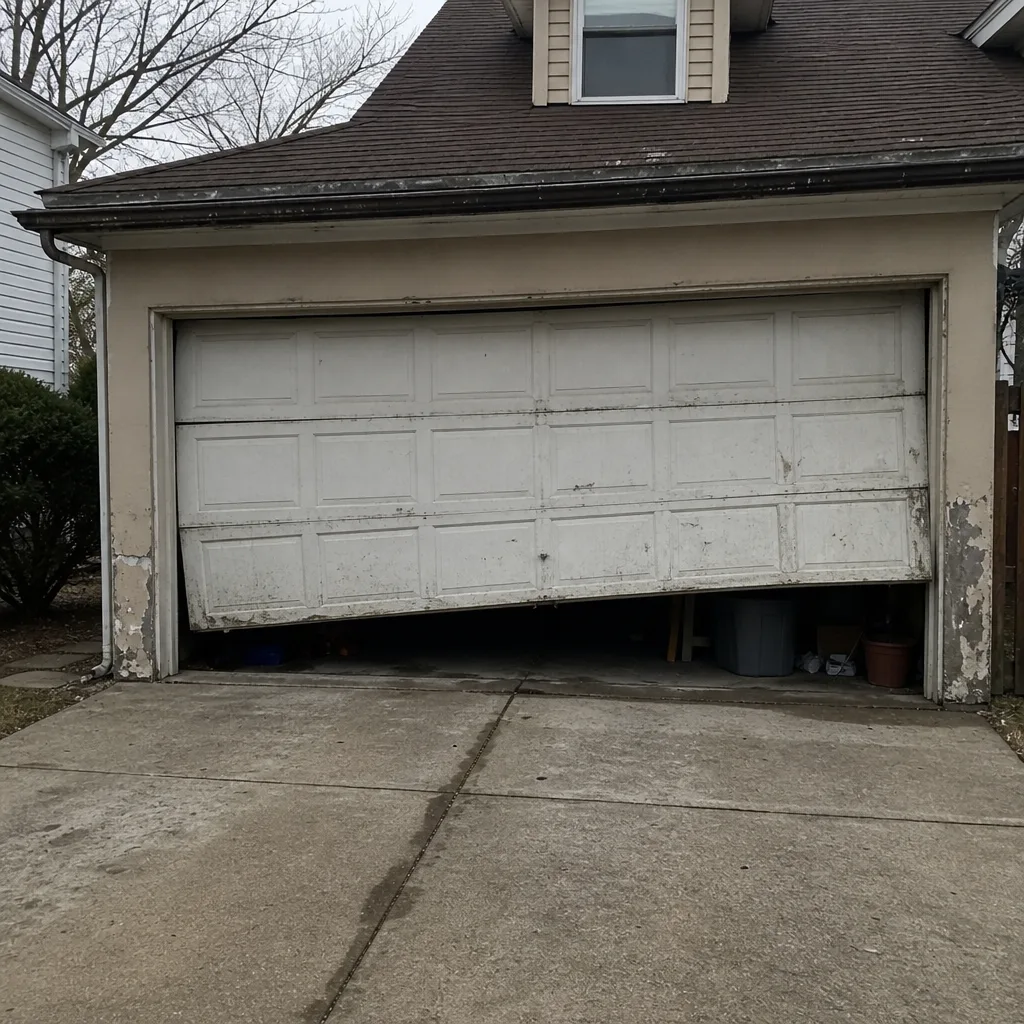 Before
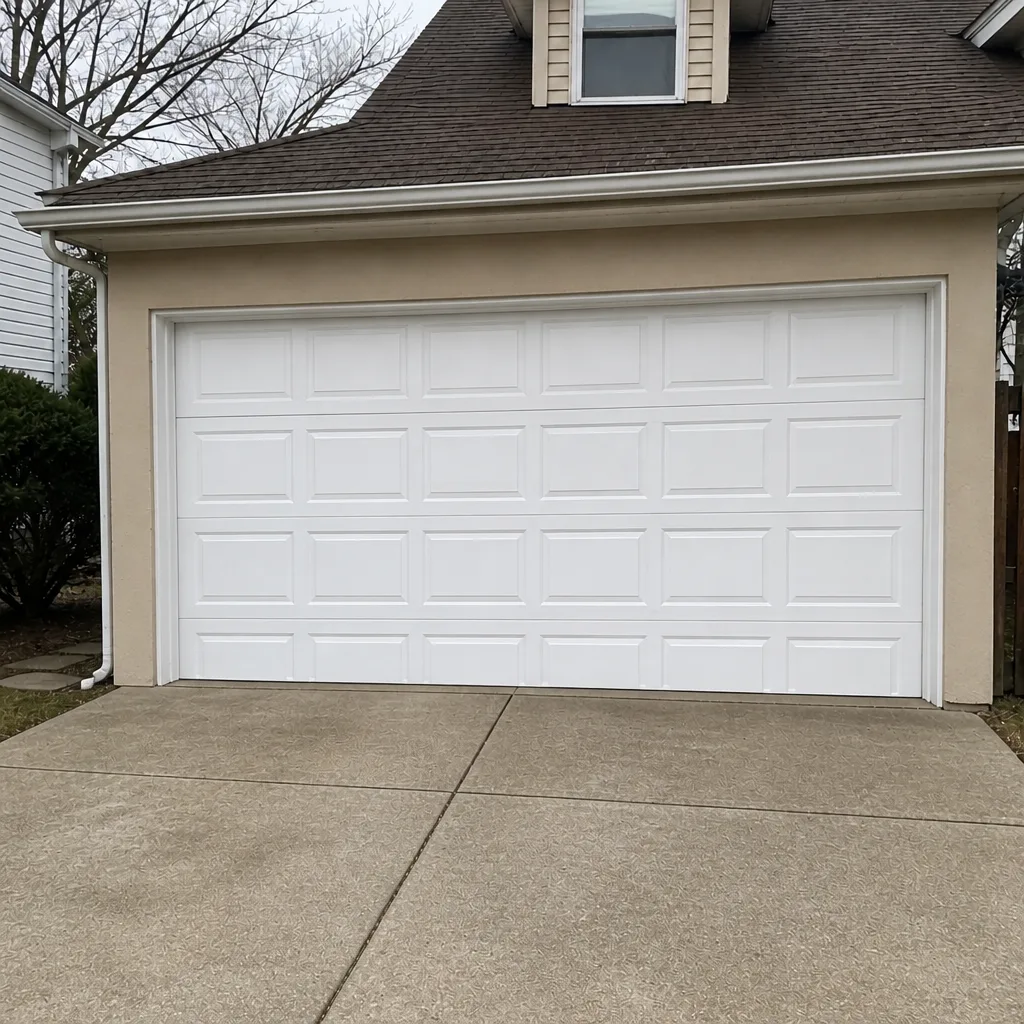 After
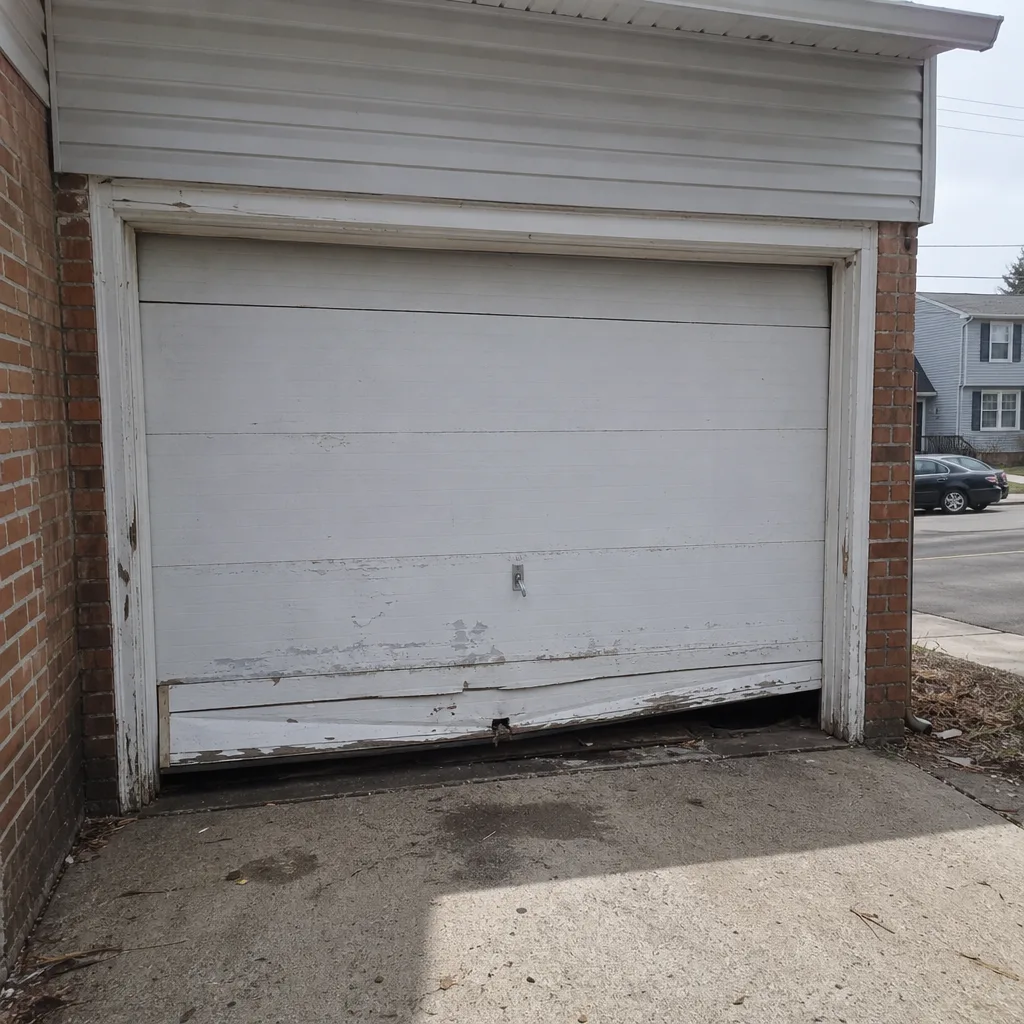 Before
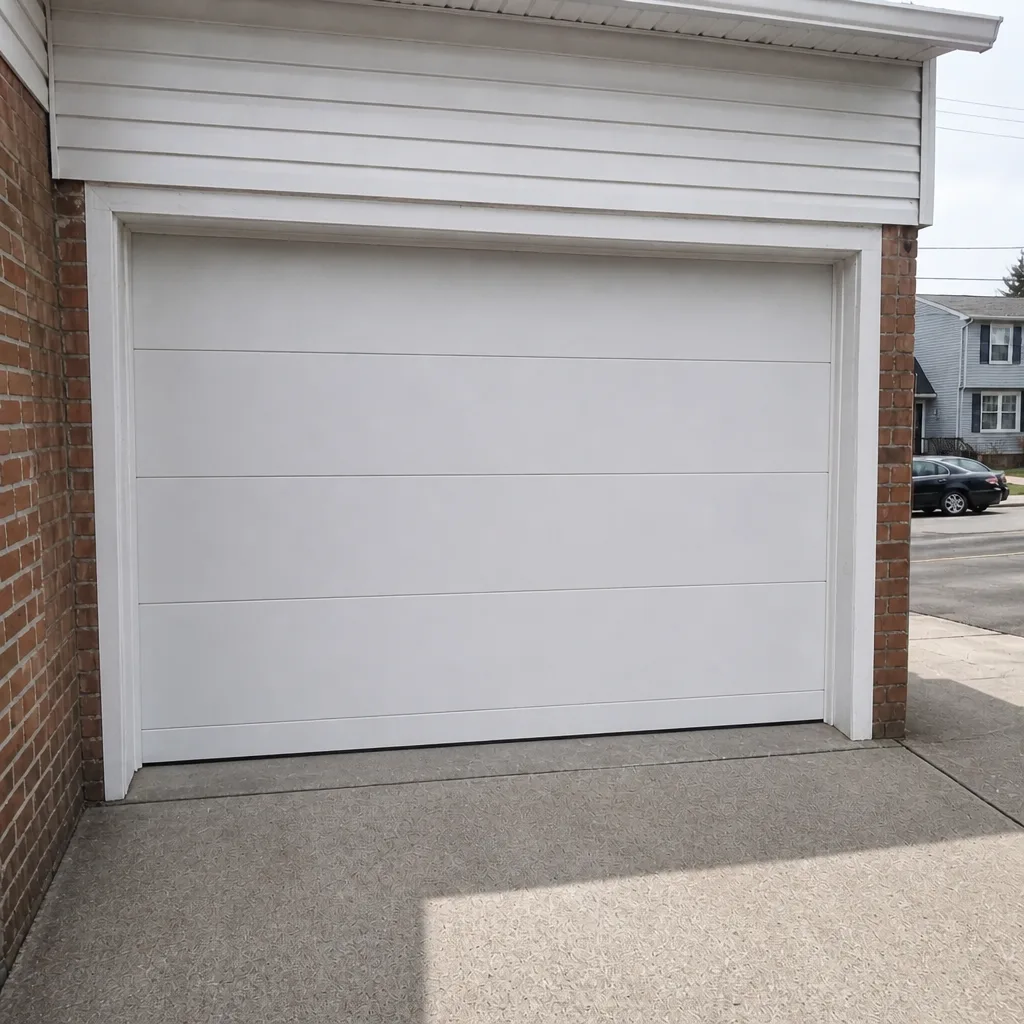 After
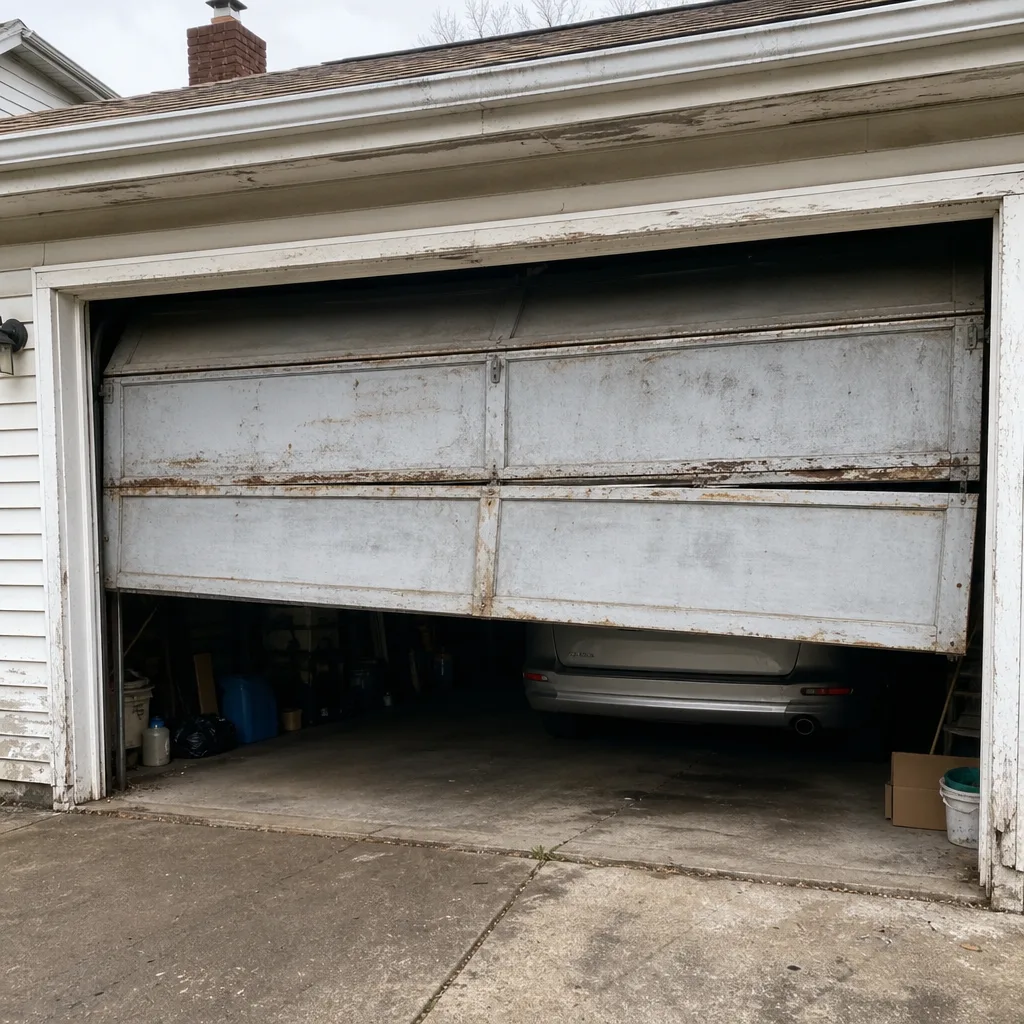 Before
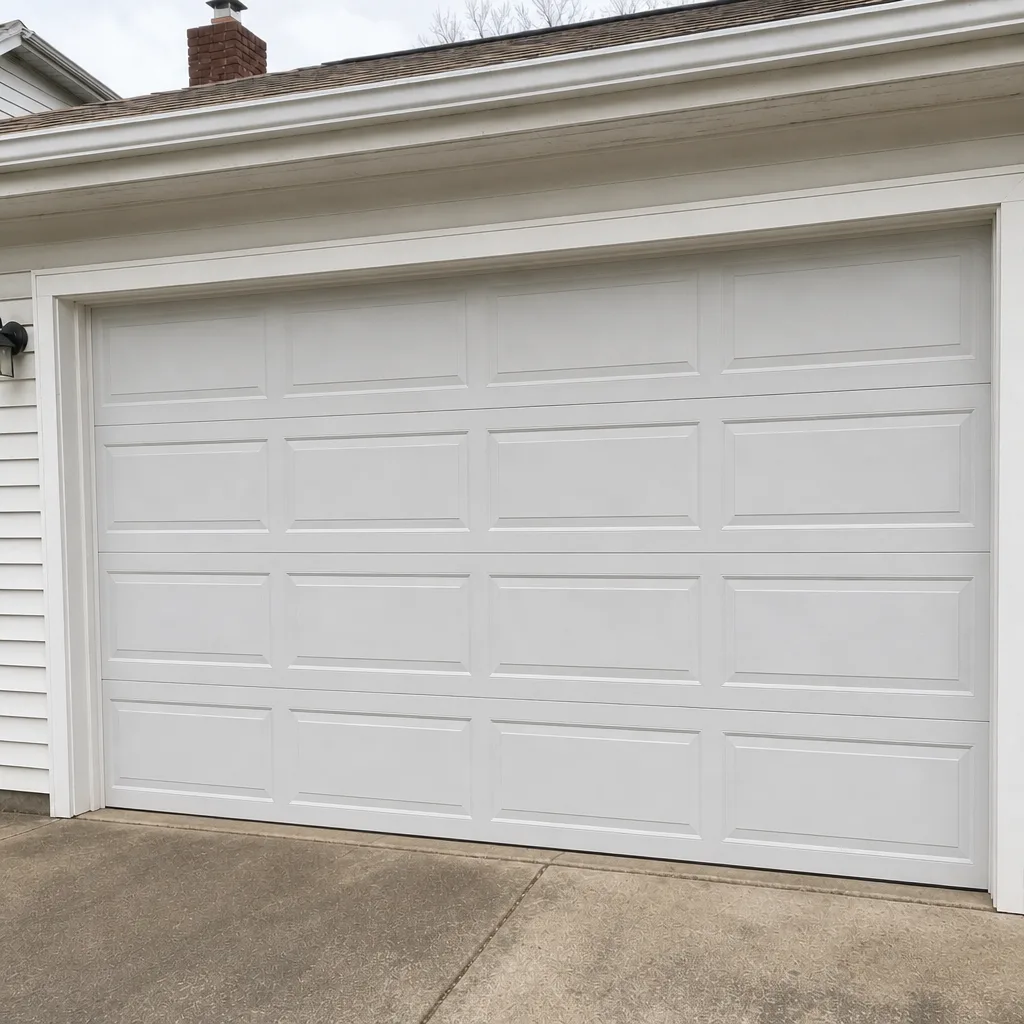 After
When to Call a Professional
Call when you see any one of the signs on this page that involves a spring, cable, or drum, and call without delay when you see two or more together. The components under tension are the ones that need a trained hand, and the cost of waiting is either a failed door on a busy morning or a repair that grows from one part to three. The components you can check yourself – the photo-eye, the error code, the visual inspection of rust points – are worth checking first, because the information helps the diagnosis.
Elizabeth Garage Door Repair Pros offers free estimates in Elizabeth, and every price is quoted and agreed before any work starts. Call (833) 654-0980. We answer 24/7. Fast dispatch from 7am to 7pm, Sunday through Friday.
Frequently Asked Questions
The earliest signs are a half-second hesitation before the door moves, a single sharp pop during travel, a door that lifts unevenly with one side lower, rust at the coil ends of the springs or the cable anchor points, and an opener that closes the door slowly while opening it normally. Any one of these is worth a look, and two together means the door should be inspected before the next cycle. Call (833) 654-0980 for an exact quote – estimates are free.
A fraying cable makes a single sharp ping or squeal at the start or end of travel, while a dry roller makes a continuous dull grind through the whole cycle. The cable is the urgent one because it’s under the same tension as the spring; the roller is a maintenance issue. If you can’t tell the difference, treat it as a cable problem and have it looked at. Call (833) 654-0980 for an exact quote – estimates are free.
Usually no – a slow close is almost always a limit switch or down-force setting on the opener, and the spring is fine. The spring does the lifting on the up cycle, so a failing spring shows up on the open, not the close. Getting this the right way round matters, because the two repairs are very different in scope. Call (833) 654-0980 for an exact quote – estimates are free.
The flash count points to a specific component – shorter counts usually mean sensor alignment or safety-reverse, and longer counts point at travel limits, force settings, or a motor or logic board fault. Count one burst, check the chart on the motor housing or in the manual, and note whether it happens on the up or down cycle. That information narrows the diagnosis before anyone arrives. Call (833) 654-0980 for an exact quote – estimates are free.
No. Torsion springs and the cables attached to them are under high tension, and releasing that tension incorrectly can cause serious injury. We recommend calling for any spring work, including something as simple as an adjustment, because the risk isn’t worth the saving. Every price is quoted and agreed before any work starts. Call (833) 654-0980 for an exact quote – estimates are free.
We offer same-day and emergency garage door service for situations like a door stuck open or a broken spring trapping a car, and we’ll confirm timing when you call. We work on LiftMaster, Chamberlain, Genie, Clopay, Amarr, Wayne Dalton, Craftsman, and Raynor equipment, so we’re prepared for whatever’s in front of us. Call (833) 654-0980. We answer 24/7. Fast dispatch from 7am to 7pm, Sunday through Friday.
The Bottom Line
The warning signs worth catching are the quiet ones: the hesitation, the single pop, the uneven lift, the rust at the coil ends. Each points to a specific component, and each gives you a repair window before the failure happens. A slow close is usually the opener, not the spring, and pairing the sound to the right component saves you from a wrong diagnosis. If you see any of these in Elizabeth, look once more, note what you found, and call. Elizabeth Garage Door Repair Pros offers free estimates, and Our technicians have up to 10 years of experience with the brands and systems on your door.
Call (833) 654-0980. We answer 24/7. Fast dispatch from 7am to 7pm, Sunday through Friday. Every price is quoted and agreed before any work starts, and the written estimate is the price. You can also read more about Elizabeth Garage Door Repair Pros and the full range of work we handle.
Written by the team at Elizabeth Garage Door Repair Pros.