
Last updated November 20, 2026
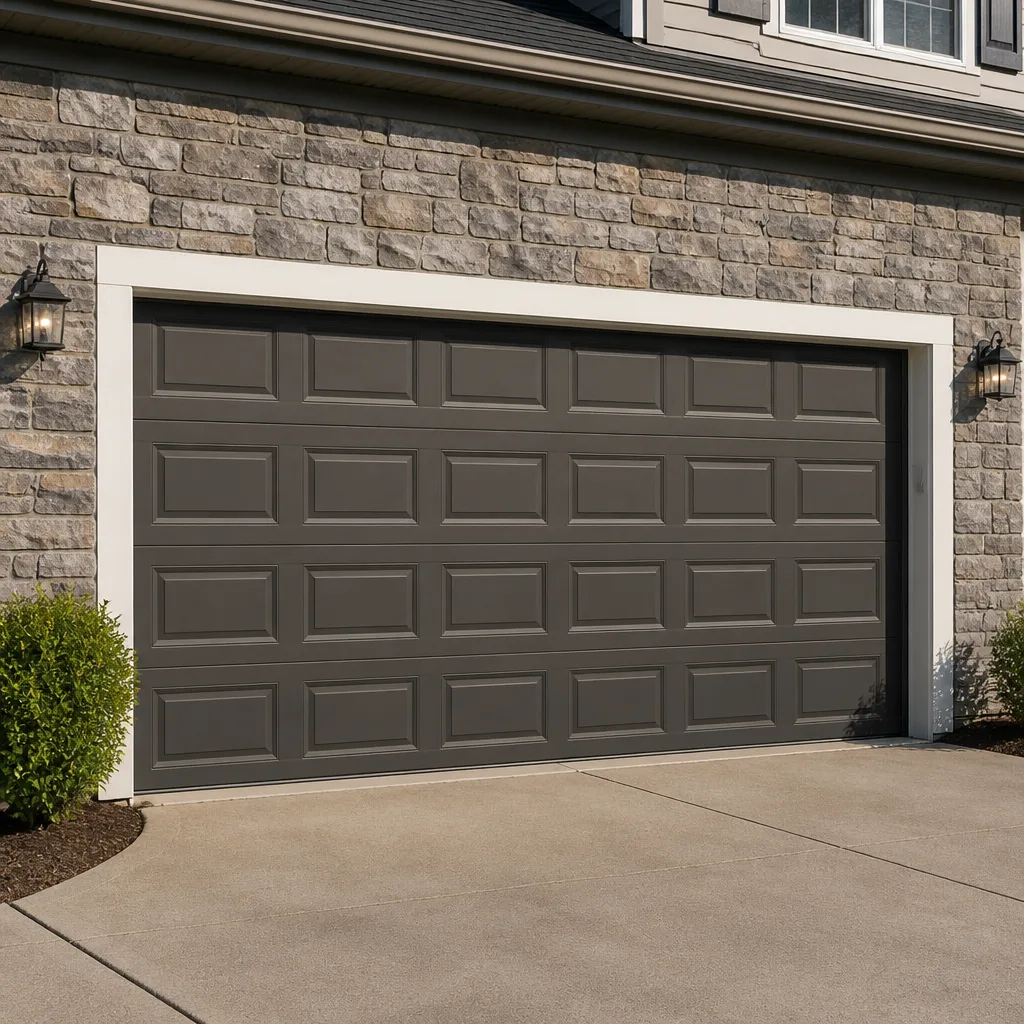 Raised-panel steel
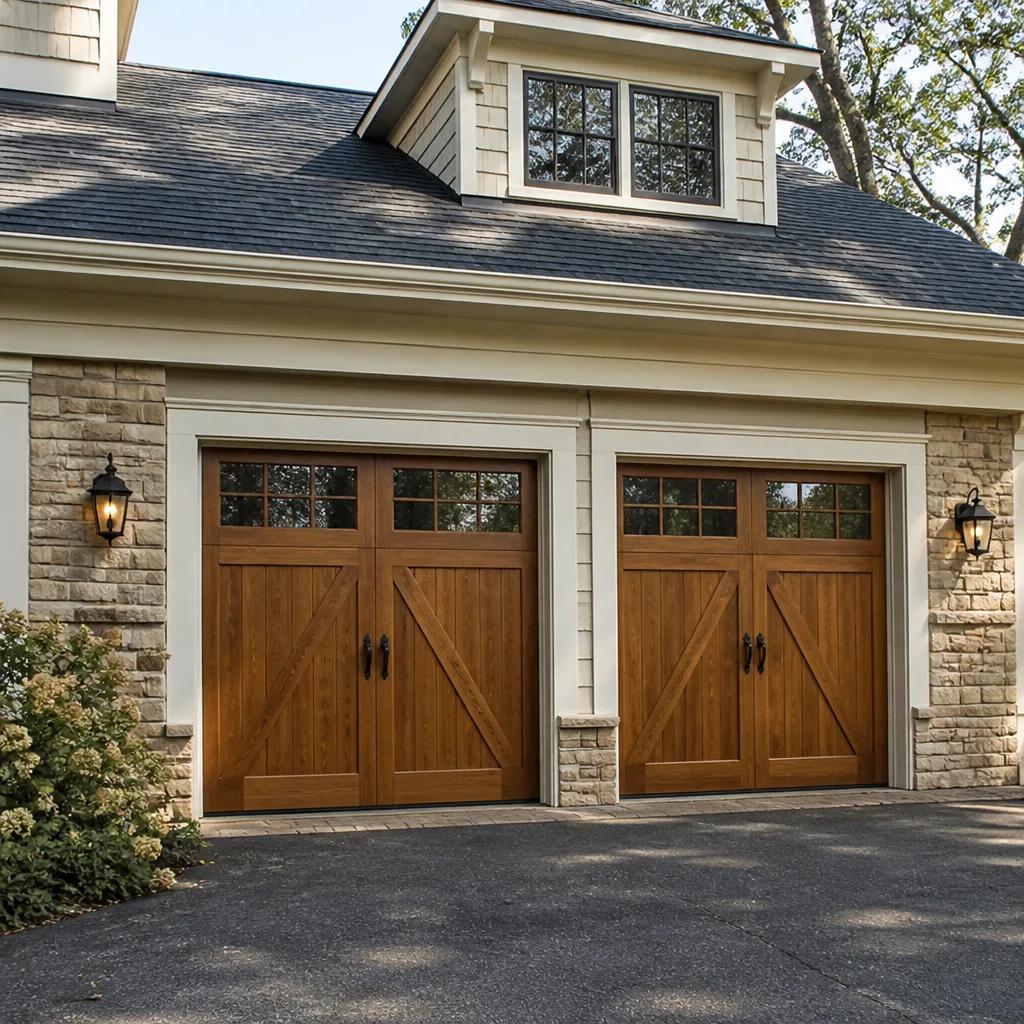 Carriage house
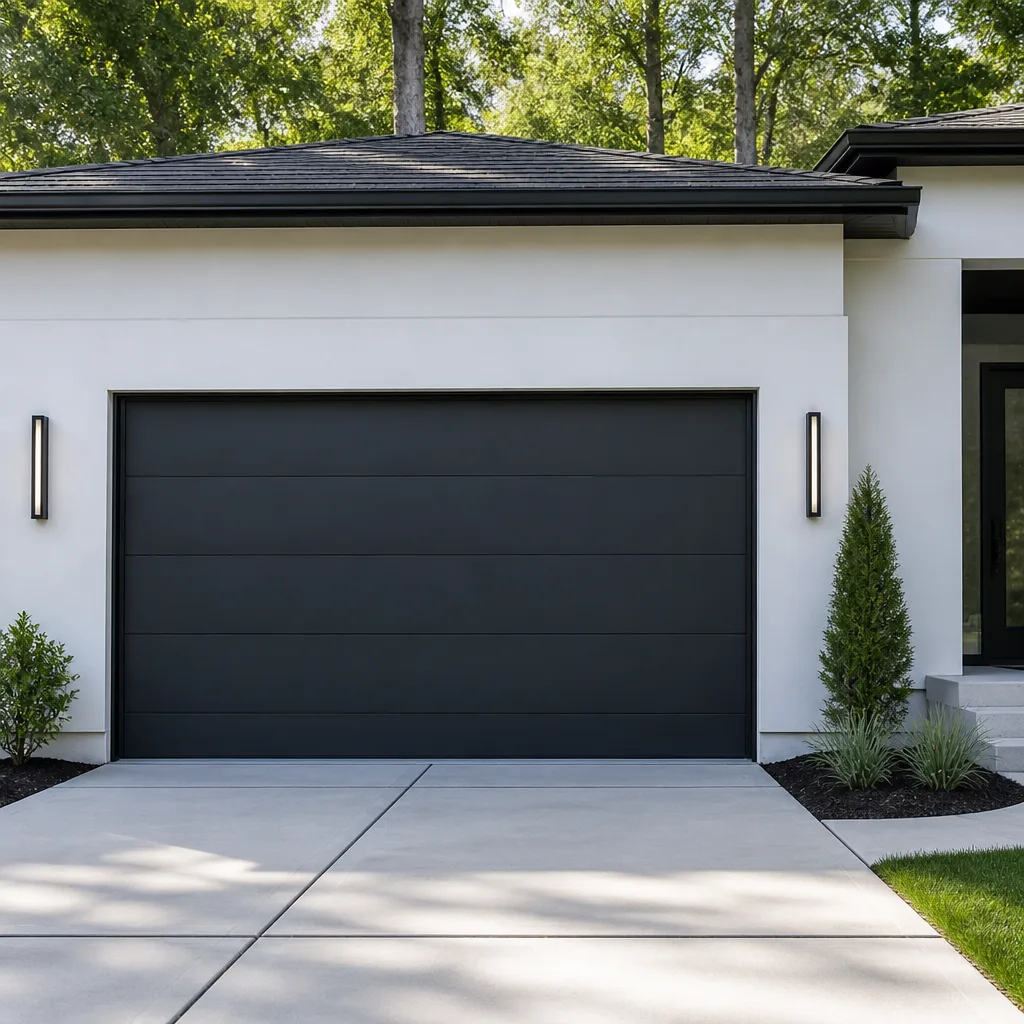 Modern flush
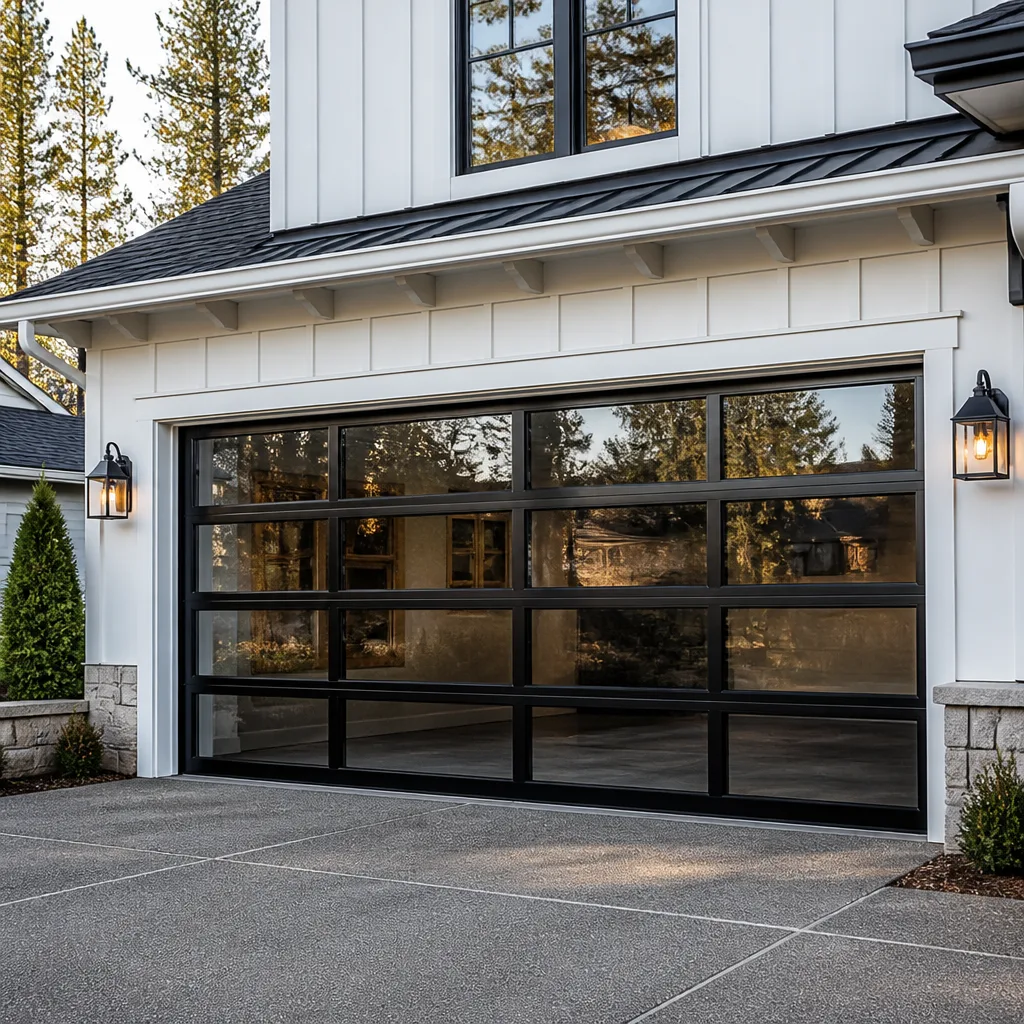 Full-view glass
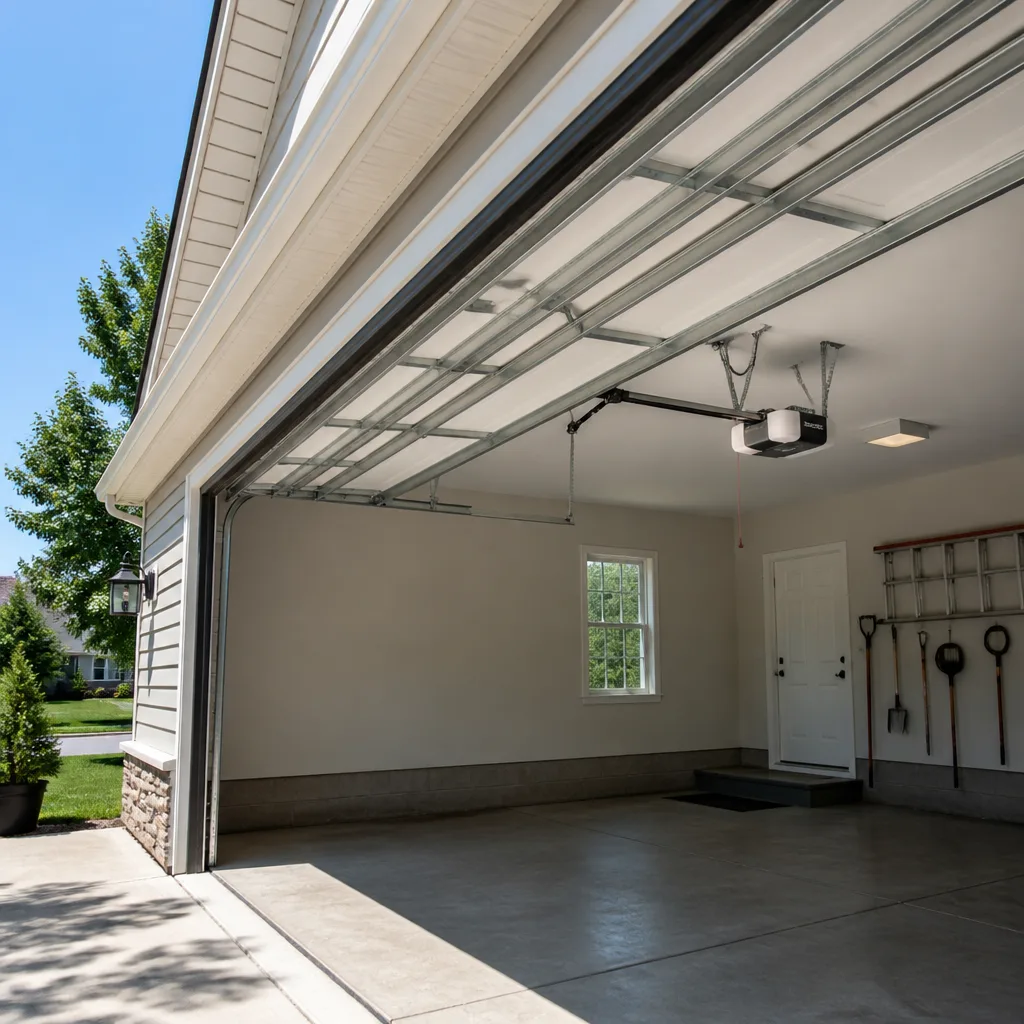 LiftMaster openers
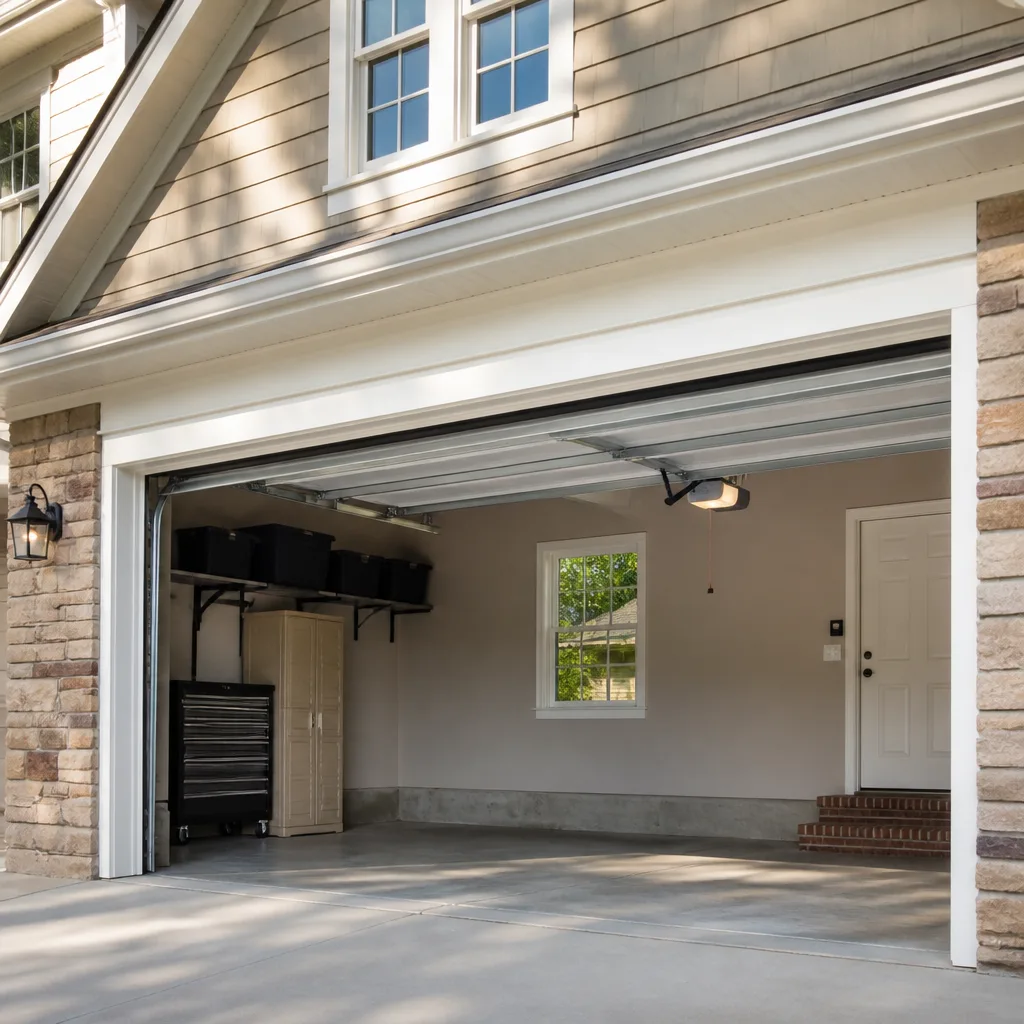 Chamberlain openers
Full 25-point door and opener safety check with every visit - springs, cables, rollers, tracks, and your LiftMaster or Chamberlain opener included
You get a price before we start. It does not change when the pro arrives.
Get your free estimateSeasonal Garage Door Care for Elizabeth: Year-Round Homeowner’s Guide
That grinding sound your door made in January wasn’t caused by January. It usually started back in October, when the weatherstripping dried out and pulled away from the frame. Then the temperature dropped, moisture worked its way into the gap, and the first hard freeze bonded the door to the floor seal. By the time you noticed, the damage was already three months old. Most garage door failures in Elizabeth follow this pattern: a slow seasonal cause, then an obvious cold-weather symptom. This guide walks through what actually happens to a door through an Elizabeth year and gives you a month-by-month plan. Our technicians have up to 10 years of experience.
Quick Answer
Garage door care in Elizabeth should follow two checks a year, not one: a fall prep in September or October before road salt starts, and a spring check in March or April when the freeze-thaw cycle ends. Summer humidity work on wood door sections and winter freeze-thaw checks fill in the gaps, because Elizabeth’s climate hits different components at different times of year. A single annual tune-up misses about half the seasonal damage before it compounds.
Styles & brands we work with
- Raised-panel steel
- Carriage house
- Modern flush
- Full-view glass
- LiftMaster openers
- Chamberlain openers
Table of Contents
- Why Elizabeth’s Climate Is Hard on Garage Doors
- Fall Prep for Elizabeth: Before the First Road Treatment
- Winter: What to Do When an Elizabeth Garage Door Won’t Open After a Freeze
- Spring: Spotting Salt Corrosion on Torsion Spring Hardware
- Summer: How Humidity Swells Wood Door Sections Out of Track
- A Month-by-Month Garage Door Calendar for Elizabeth
- What You Can Safely Check and What You Shouldn’t
- Brand-Specific Notes for Common Elizabeth Doors and Openers
Why Elizabeth’s Climate Is Hard on Garage Doors
Elizabeth sits in a climate band where summers are humid and winters combine freezing temperatures with road salt. That combination is unusual, and it’s what makes a generic “check your door twice a year” routine inadequate here.
Humidity is a swelling force. It works on wood panel sections, wooden sub-frames, and any wood-composite bottom rail. Road salt is a corrosion force. It works on steel spring hardware, hinges, rollers, and the bottom seal. Freeze-thaw cycles are an expansion force. They work on the concrete floor, the bottom seal, and any gap that collected water the night before.
Each of those three forces peaks in a different season. Salt damage peaks from the first road treatment through the last thaw. Freeze-thaw damage peaks in the coldest weeks. Humidity damage peaks from June through September.
That means a single annual checkup, usually scheduled in spring, catches only one of the three. It also misses the compounding part: salt corrosion that started in December and was never cleaned off by summer can reach the hinge plates and roller stems, and that’s where a component that should have lasted several more years gets replaced instead.
Most doors installed in Elizabeth are steel or steel-and-insulated-panel, which weather this cycle better than wood but not perfectly. Clopay and Amarr steel sections handle humidity well; their weak spots are the bottom seal and the hardware below the panel line, where salt splash collects.
Fall Prep for Elizabeth: Before the First Road Treatment
The most useful garage door maintenance of the year happens in September and October, before the first road salt hits the street. That timing matters because once salt is on the road, it’s on your door hardware – and every week it stays on metal does a little more damage.
Fall prep has four parts:
- Inspect the bottom seal. Run a hand along the rubber seal under the door. It should be soft and continuous. Any flat spots, cracks, or separated ends let water in when the door closes onto a frozen floor.
- Lubricate hinges, rollers, and the spring coil. A light, non-greasy lubricant on the moving parts keeps them from stiffening in cold. Stiff grease traps grit and binds the mechanism in freezing temperatures.
- Test the auto-reverse safety feature. Put a piece of 2×4 flat on the floor under the door and lower it. The door should reverse on contact. Also test the photo-eye system by blocking the beam with your leg. Cold weather makes grease thicker and can slow a door’s response time; if the auto-reverse is slow in mild weather, it becomes slower when freezing.
- Check the balance of the door. Disconnect the opener (pull the manual release) and lift the door halfway by hand. A balanced door stays there. A door that falls is a spring or cable problem, and a professional should look at it before winter.
In our experience, the auto-reverse test and the balance check catch the most pre-winter problems. A door that fails either test in October is far more likely to fail completely in January, when the door contacts the frozen floor seal and the opener has to fight extra resistance.
If the bottom seal is worn or cracked, replacing it before the first freeze is the single smartest pre-winter repair you can make. It costs less than almost any other door repair and prevents the freeze-to-floor issue entirely. Our garage door repair service handles seal replacement as part of routine work.
Winter: What to Do When an Elizabeth Garage Door Won’t Open After a Freeze
When an Elizabeth garage door won’t open after an overnight freeze, the most likely cause is the bottom seal bonding to the concrete floor. Warmth from inside the garage melts a thin layer of ice on the floor overnight; the door presses into it; it refreezes; the door is now attached to the floor.
The one thing homeowners do that bends the bottom panel is force the door up with the opener. The opener pulls hard, the seal breaks free all at once, and the sudden release can flex the bottom section or unseat a hinge. That’s an easy panel bend to prevent and an annoying one to fix.
What to do instead:
- Look along the bottom edge for ice. If the door is stuck, that’s the first place to break contact.
- Use lukewarm water poured along the seal line – not hot, and never boiling. Hot water on frozen steel or on a wood composite section causes a thermal shock that can crack or warp it.
- Wait for the ice to release, then open the door slowly by hand first, then with the opener.
- Once the door is up, dry the floor and the seal, and check the seal for damage. If the seal is flattened or split from the freeze, that’s the point to replace it.
Another winter cause is a spring that lost tension in the cold. Steel springs lose a small amount of tension at very low temperatures, and a spring already near the end of its life will simply stop lifting the door. If the door won’t open and there’s no ice, suspect the spring. Don’t force the opener to try harder. Our garage door spring repair is a dedicated service because springs are the highest-tension component in the whole system and the one most often handled wrongly.
Cables can also freeze in the track if water got in, and the rollers can bind on a track that filled with ice. If the door is stuck and warm water along the seal doesn’t solve it, that’s a call for a technician. Call (833) 654-0980. We answer 24/7. A call outside dispatch hours is booked into the next opening, Sunday through Friday, 7am to 7pm.
Spring: Spotting Salt Corrosion on Torsion Spring Hardware
Salt corrosion on the torsion spring hardware is the quiet damage that builds up over winter and shows itself in spring. The torsion spring itself is usually oil-tempered steel; the hardware around it – the center bearing plate, the end plates, the winding cones, the cable drums – is also steel or zinc-plated steel. Salt spray from wet roads and wet boots lands on all of it.
What to look for in March and April:
- Orange or white powdery residue on the bearing plates or the spring coils. That’s the early stage of rust, and it’s easiest to clean before it pits the metal.
- Chalky buildup on the hinges, especially the bottom and second-from-bottom hinges closest to the salt splash zone.
- Roller stems that feel stiff or rough when you turn them. A rough roller stem means the bearings inside are already damaged.
- Discolored or frayed cables near the drum. A cable starting to fray from salt damage will fail without warning if it’s not replaced.
Light surface rust can be cleaned off with a wire brush and touched up with a rust-preventing paint or a light oil. Pitting that reaches into the metal, or any cracking at the base of the spring coil, is a stop-use condition. Don’t keep running the door if you see visible cracks in the spring.
Spring work is dangerous. A torsion spring under tension stores a lot of energy, and the tools required to release it safely aren’t household tools. Don’t attempt to remove or adjust a spring yourself, even a rusted one. Have a technician inspect it. This is the single situation where “call a professional” isn’t a sales pitch – it’s an actual safety line.
Spring is also when we see doors that “just started making a noise” in March. Most of those noises were building since December. Our garage door opener repair team can trace whether the noise is coming from the opener motor, the spring, or the rollers – they often sound similar.
Summer: How Humidity Swells Wood Door Sections Out of Track
Humidity in Elizabeth during summer does something to wood and wood-composite door sections that steel doors don’t experience: it swells them. A wood door section that fit the track cleanly in April can bind in July, and the binding can push the rollers out of alignment.
The sequence goes like this. Humidity enters the wood grain from the edges, especially on the bottom section and any section with a raw edge. The wood expands across its width. The extra width means the rollers sit slightly further out, the track presses against the section, and the door starts to drag. Once it drags, the opener works harder and the rollers wear out faster.
What to do about it:
- Check for drag along the sides. With the door about halfway up, look at the gap between the section edge and the track. A wood door that’s swelling will have almost no gap on one side and a wider gap on the other.
- Look at the bottom section for bubbling, cracking paint, or peeling finish. Those are the entry points for moisture. Any wood section whose finish has broken down needs to be resealed before the next humid stretch.
- Check that the door closes fully and evenly. A swollen bottom section often hits the floor on one side first. Uneven closing on a wood door is a humidity symptom.
- Reduce humidity inside the garage if possible. An open interior door to a dehumidified house, or an open garage window on dry days, helps. A closed, unventilated garage in August is the worst environment for a wood section.
A door that’s already swelled out of alignment needs a technician to adjust the track or replace a section; adjusting a track to compensate for a swelled section is possible, but if the swelling continues the door will bind again next summer. The long-term fix is a properly sealed finish, or replacing the section.
A Month-by-Month Garage Door Calendar for Elizabeth
The generic “check your door in spring and fall” calendar misses Elizabeth’s actual seasons. This one is calibrated to when each force peaks locally.
- January: Watch for freeze-to-floor binding after overnight temperature drops. Test the auto-reverse with a 2×4 under the door.
- February: Deep winter. The heaviest salt accumulation on hinges and rollers. Clean and re-lubricate hardware if you see visible residue.
- March: First spring check. Inspect the torsion spring hardware and bearing plates for rust or pitting. Listen for new noises.
- April: Test the balance of the door (manual release, halfway lift). Have any cable fraying or spring cracking looked at before summer heat adds load.
- May: Check wood door sections for finish breakdown before the humidity arrives. Re-seal any exposed wood edges on the bottom and side sections.
- June: Watch for drag along the tracks as the humidity climbs. Check the bottom seal for cracks from the winter.
- July: Peak humidity. Look for uneven closing on wood doors and any section starting to bow against the track.
- August: Same humidity watch. Keep the garage ventilated when possible.
- September: Pre-winter prep starts. Inspect the bottom seal and replace it if worn. Lubricate hinges and rollers. Test the auto-reverse.
- October: Finish pre-winter checklist. Balance test, photo-eye test, spring inspection. Any repair that needs parts should be scheduled now, before the cold arrives.
- November: First freezes. Watch for the door binding to the floor seal. Any opener issue noticed now is worth fixing before December.
- December: Deep cold. Check the opener’s response time in cold weather. A door that’s sluggish in mild weather will be worse now.
The two heaviest months on this calendar are September/October and March/April. That’s when the fall prep and the spring corrosion check happen. Everything else is a quick visual pass.
What You Can Safely Check and What You Shouldn’t
Some garage door checks are genuinely safe for a homeowner to do, and some are not. The difference matters because a garage door is a high-tension mechanical system and the worst injuries happen when people underestimate it.
Safe to check yourself:
- The auto-reverse feature, using a flat board or your foot (not your hand under a moving door).
- The photo-eye safety system, by blocking the beam and watching the door reverse.
- The balance test with the door released from the opener (manual release, halfway lift).
- Visual inspection of the bottom seal, hinges, rollers, and cables.
- Cleaning and lubricating hinges and roller stems.
- Re-sealing wood door finishes in dry weather.
Not safe to do yourself:
- Adjusting, removing, or replacing a torsion spring or extension spring. This includes “just tightening” a spring that lost tension.
- Replacing a frayed or broken cable. The cable is under tension from the spring; releasing either one can snap the other.
- Adjusting or replacing torsion hardware on a door with a broken spring.
- Working on a door while the opener motor is connected and powered.
If you’re not sure which side of the line a task falls on, treat it as a professional task. That’s the safer default. The homeowner tasks on the list above cost nothing and prevent most seasonal problems. The professional tasks are the ones that carry real injury risk.
Brand-Specific Notes for Common Elizabeth Doors and Openers
Different brands wear differently through Elizabeth’s seasonal cycle, and knowing what a brand usually needs shortens the diagnostic step.
Wayne Dalton doors often use a distinctive track and roller system; a roller that’s worn out on a Wayne Dalton door isn’t the same part as one on a different make, and matching the right roller keeps the door tracking correctly through humidity swelling. Clopay and Amarr steel and insulated panel doors handle humidity well; their seasonal weak point is usually the bottom seal and the hardware below the panel line, where salt collects. Craftsman openers are common on Elizabeth doors, and their photo-eye alignment and auto-reverse mechanisms are the parts that most often drift out of spec over a year of freeze-thaw.
We work on eight major brands, including LiftMaster, Chamberlain, Genie, Clopay, Amarr, Wayne Dalton, Craftsman, and Raynor. That matters at the spring check and the fall prep because the technician arrives knowing the specific hardware on your door – the roller type, the hinge design, the opener’s adjustment points – instead of diagnosing from scratch.
Common Mistakes to Avoid
- Forcing a frozen door up with the opener. This is the mistake that bends bottom panels. The opener pulls hard and the seal releases all at once, flexing the bottom section before the opener can stop. Warm water along the seal, then a slow manual lift, prevents it.
- Skipping the auto-reverse test in fall. The auto-reverse is what stops the door from crushing something in its path. When grease thickens in cold, auto-reverse response slows. Testing it in October catches the problem before it matters.
- Washing salt off with a hose in winter. Spraying water on frozen hardware makes the freeze worse. On the first mild day, wipe hardware with a damp cloth instead, then dry it.
- Re-sealing a wood door in the wrong season. Sealing over swollen, damp wood in mid-summer traps moisture inside. Re-sealing belongs in dry late spring or early fall, when the wood has shrunk back.
- Ignoring a spring that’s lost tension in cold. A spring that lifted the door easily in October and struggles in January is telling you it’s near the end of its life. Forcing the opener to compensate wears out the opener motor.
- Adjusting tracks to fix a swelling wood section. Adjusting the track for a swollen door works for one season and fails the next. Seal or replace the section instead.
- Doing spring work yourself. The single most dangerous mistake on this list. A torsion spring under tension can injure seriously if it releases unexpectedly. Don’t touch it.
See the difference
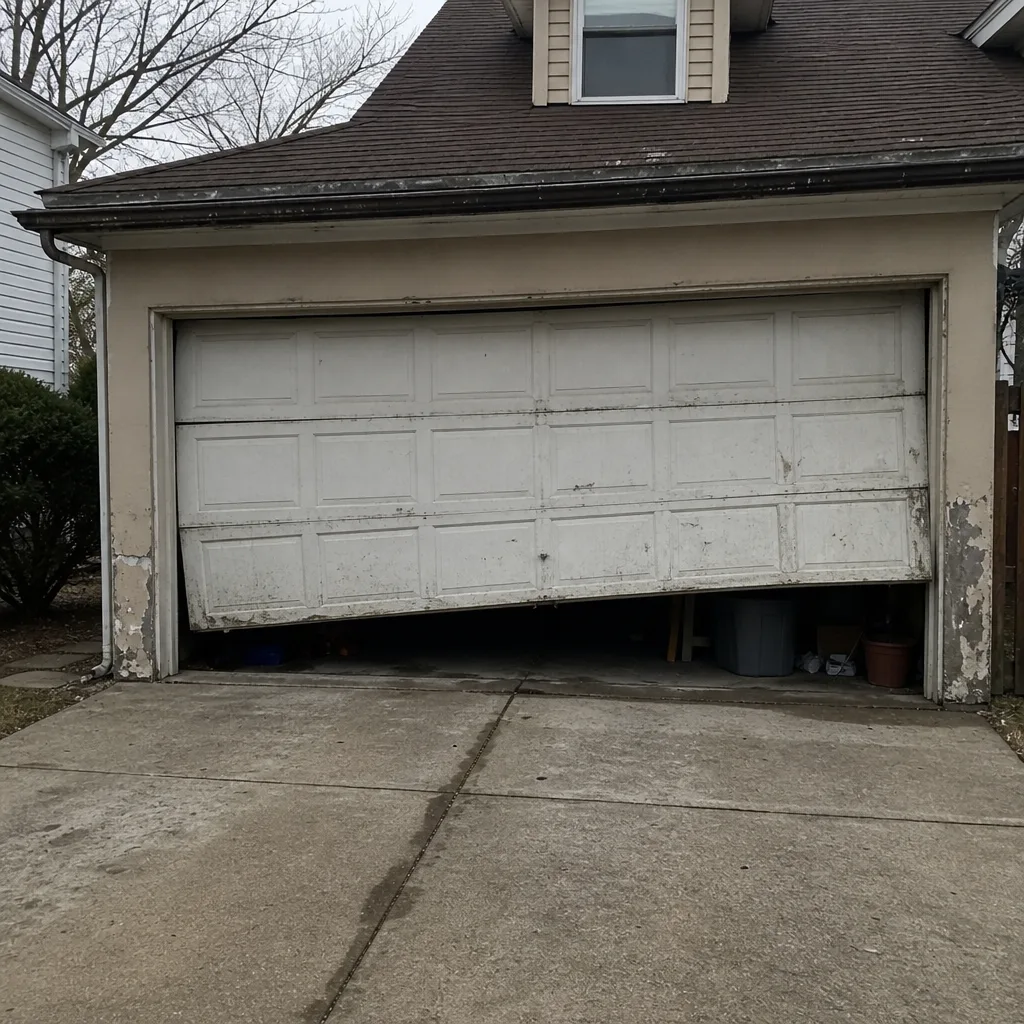 Before
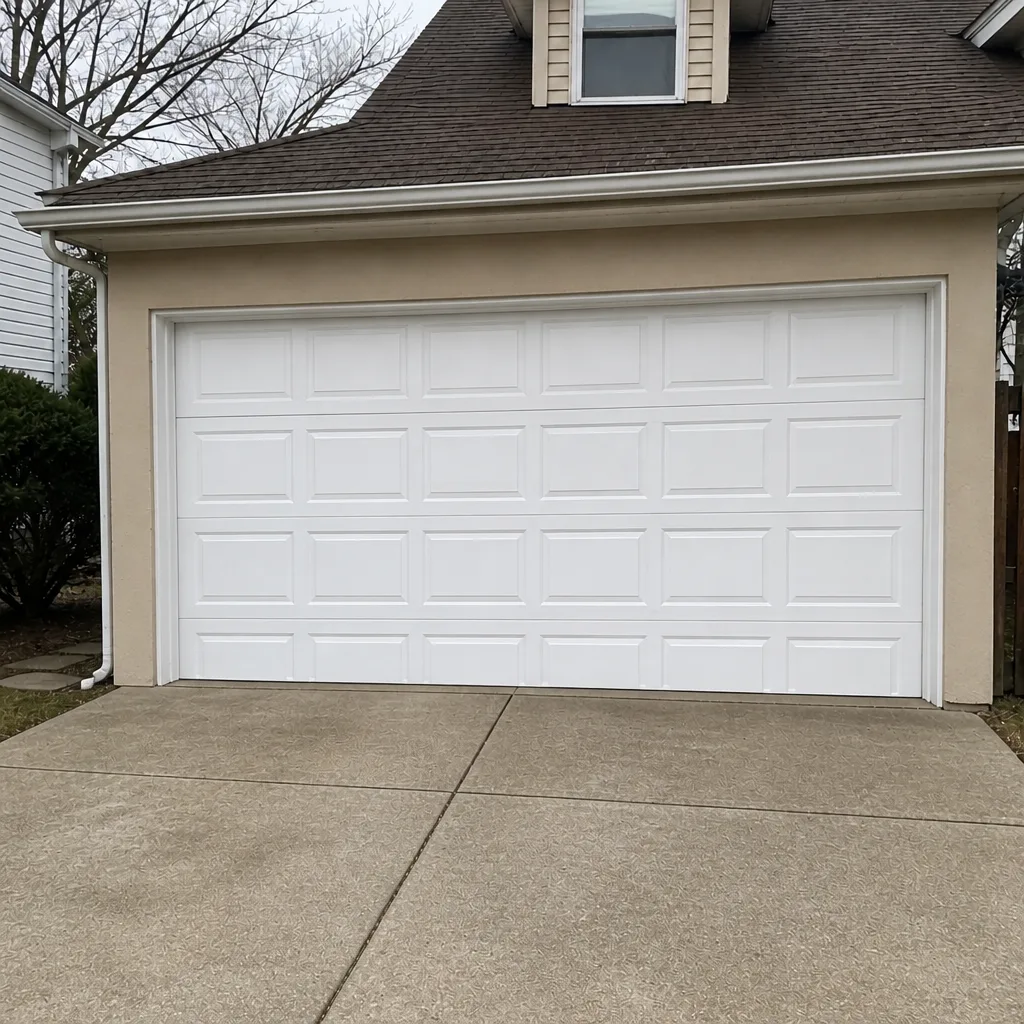 After
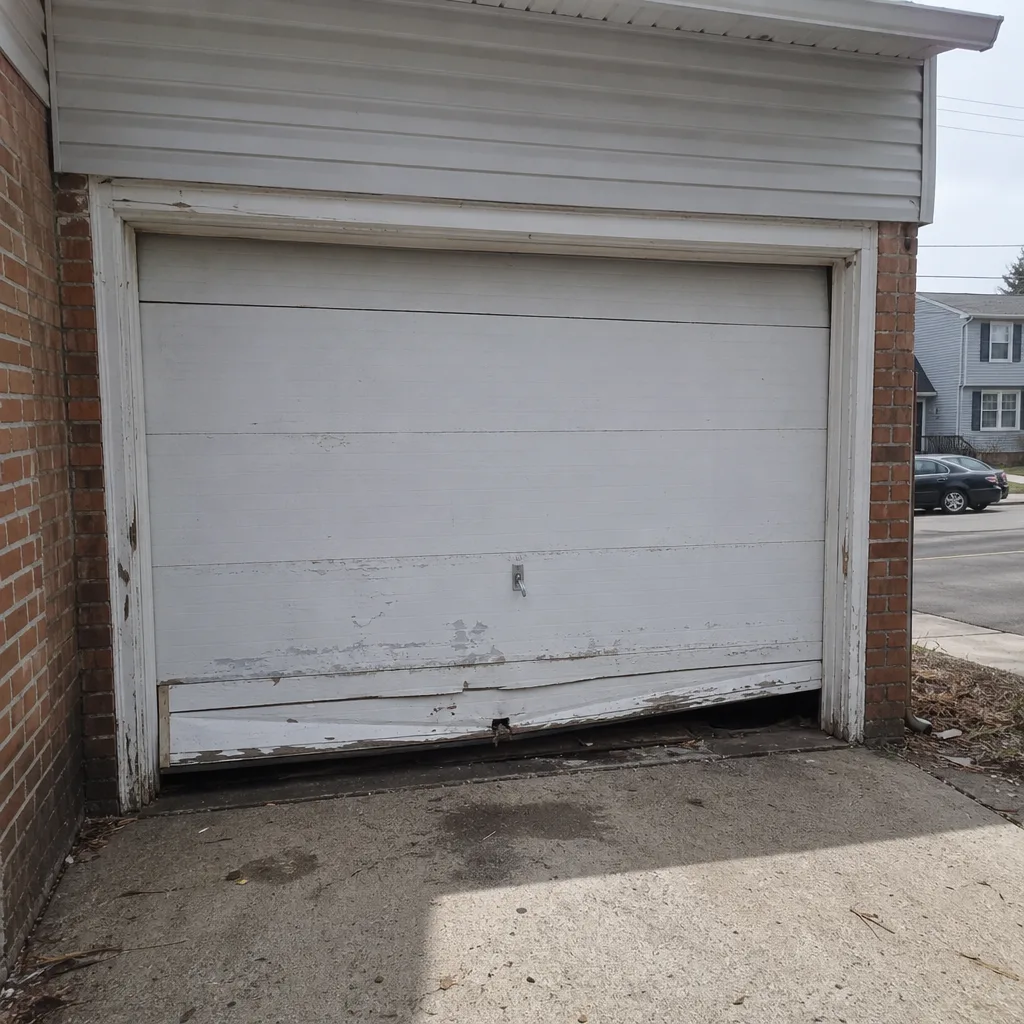 Before
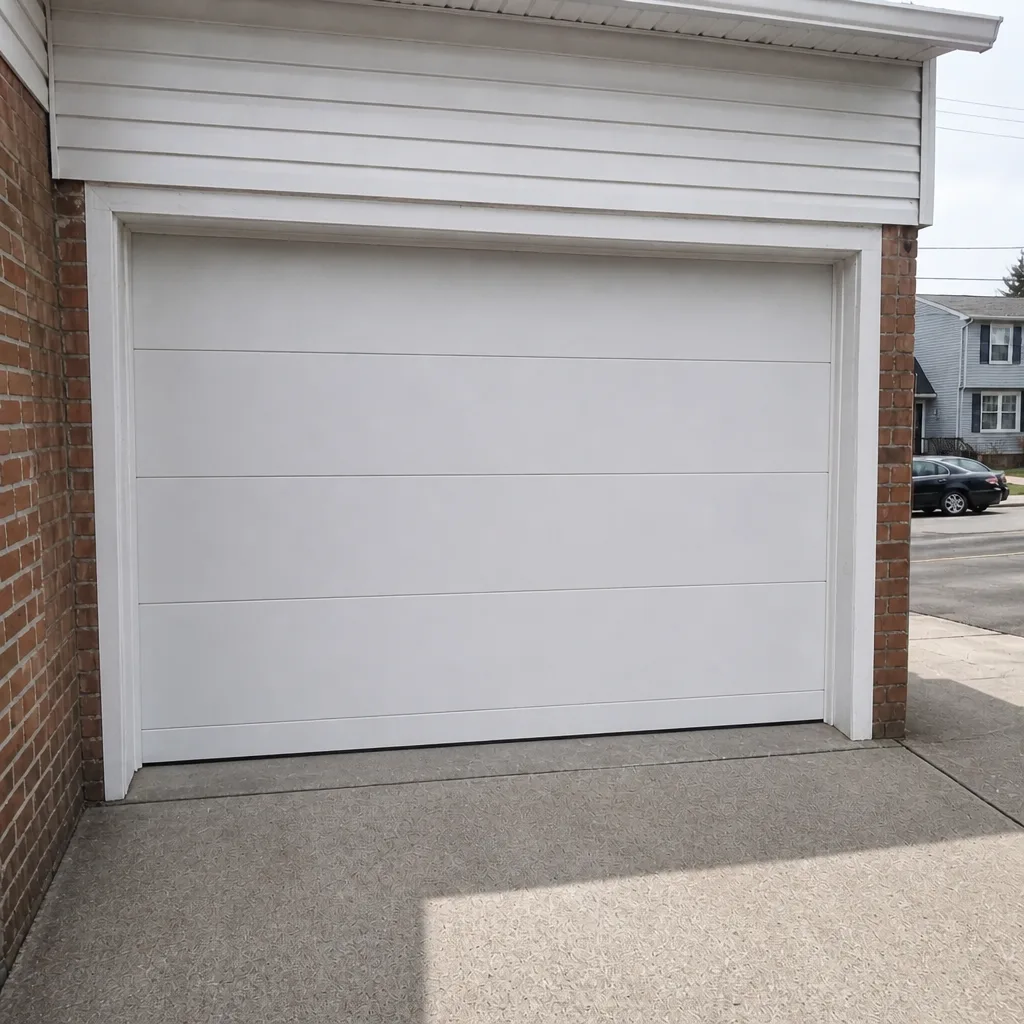 After
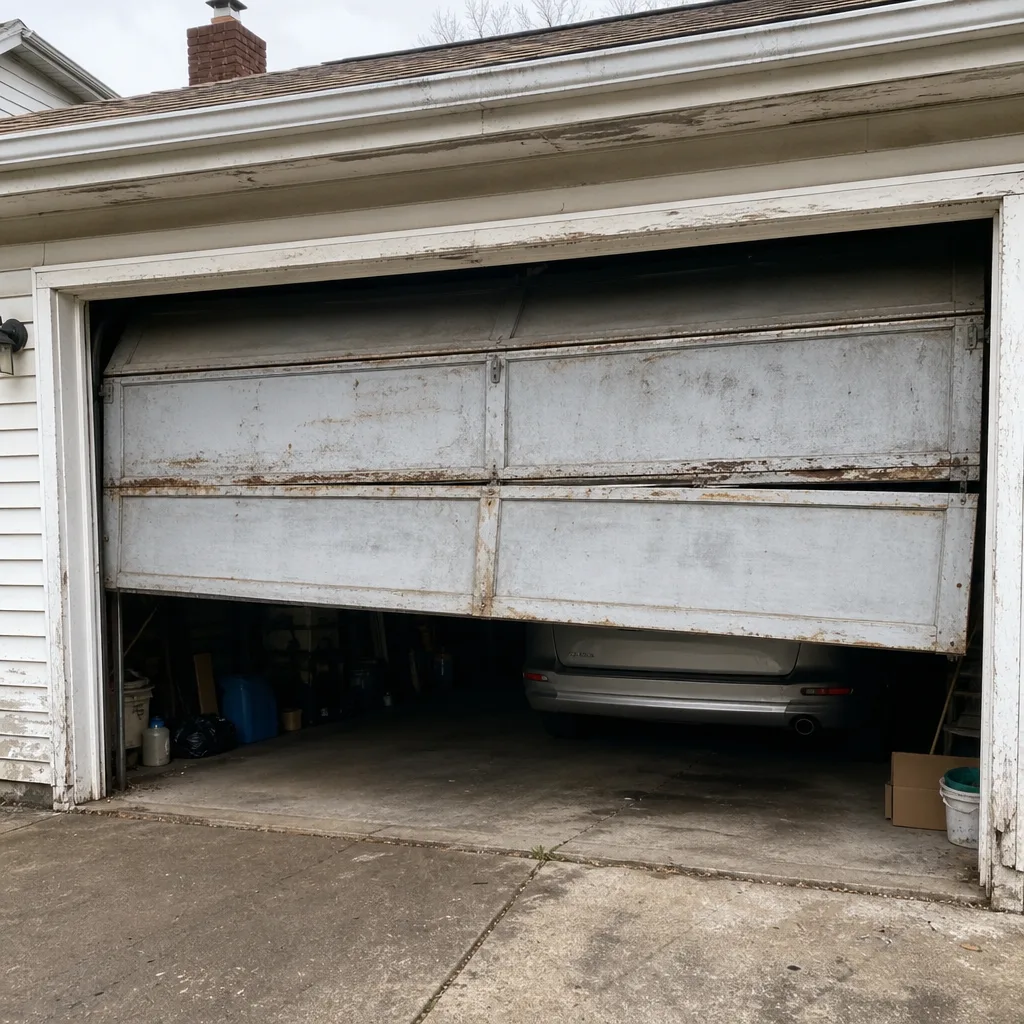 Before
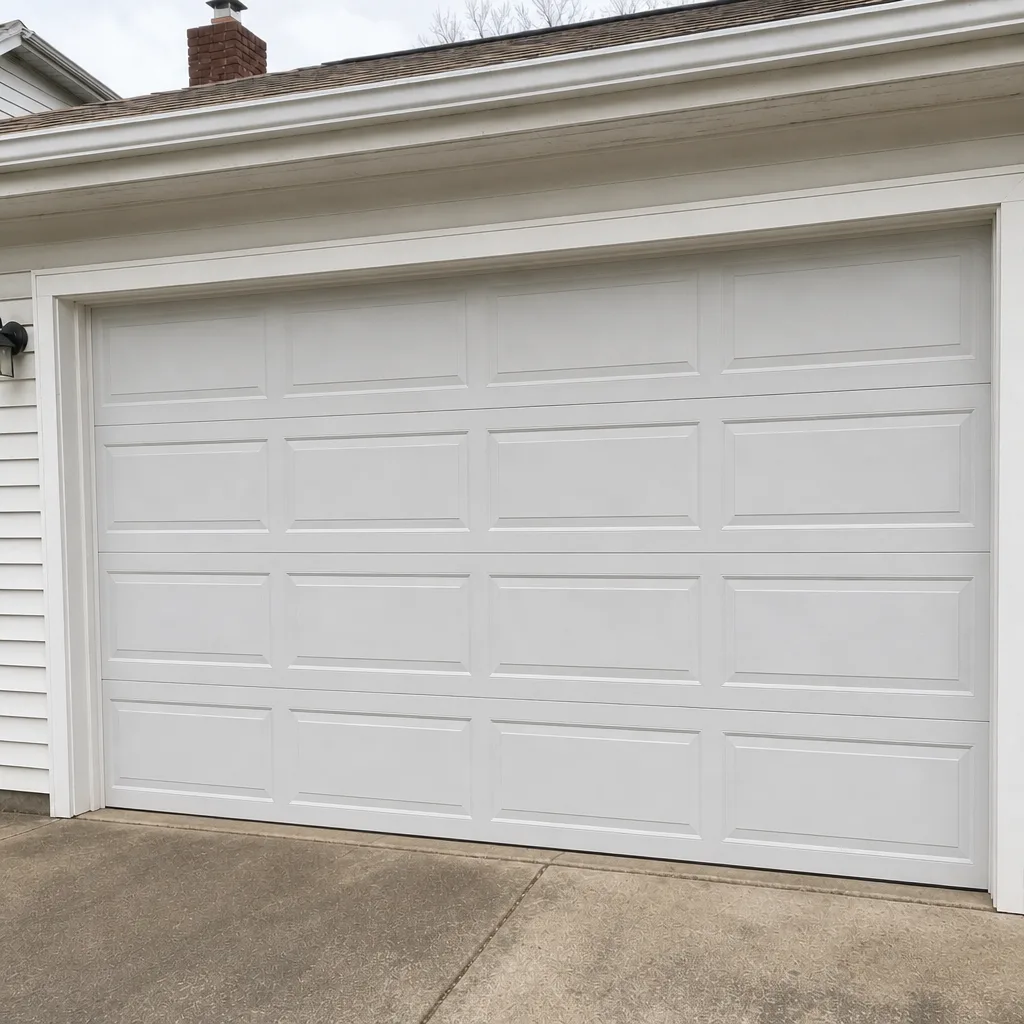 After
When to Call a Professional
Call a professional when the door won’t open after a freeze and warm water on the seal hasn’t fixed it, when you see cracking on the spring coil, when the balance test fails, when a cable is frayed or discolored, when a wood door section is visibly swollen against the track, or when you hear a new grinding or popping noise that wasn’t there last month. On any of those, stop using the opener and let a technician look at it.
Elizabeth Garage Door Repair Pros offers free estimates in Elizabeth – call (833) 654-0980. We answer 24/7. Fast dispatch from 7am to 7pm, Sunday through Friday. Our technicians have up to 10 years of experience, and the estimate is written and agreed before any work starts, so the number you accept is the number you pay.
Frequently Asked Questions
Twice a year is the right rhythm for Elizabeth: a fall prep in September or October, before the first road salt, and a spring check in March or April, after the freeze-thaw cycle ends. A single annual checkup misses salt corrosion and humidity damage that build up in the other seasons. Homeowners who test the auto-reverse and the balance themselves between service visits often catch problems earlier. Call (833) 654-0980 for an exact quote – estimates are free.
The most common cause is the bottom seal bonding to the concrete floor after moisture freezes overnight. The second most common cause is a spring that lost tension in the cold. Don’t force the opener; pour lukewarm water along the seal line and wait for the ice to release, then lift the door slowly by hand. If warm water doesn’t free it, call a technician. Call (833) 654-0980 – estimates are free.
Yes, and it’s the main cause of premature spring hardware replacement in Elizabeth. Salt spray lands on the bearing plates, winding cones, cable drums, and hinges; over a winter it pits the metal and eventually reaches the spring coil itself. Cleaning the residue off at the first spring thaw slows the damage. Cracks in the spring coil are a stop-use condition. Call (833) 654-0980 to have it inspected – estimates are free.
No. Torsion and extension springs store a lot of energy, and releasing one incorrectly can cause serious injury. Even routine surgery on a spring – adjusting tension, replacing a winding cone – requires specific tools and release technique. Leave spring work to a trained technician. Our garage door spring repair is a dedicated service for exactly this reason. Call (833) 654-0980 for a free estimate.
Very likely, yes. Elizabeth’s summer humidity swells wood and wood-composite door sections, and the swelling pushes the section edges against the track. Look for an almost-zero gap on one side and a wider gap on the other, or for uneven closing at the floor. Re-sealing the finish stops the swelling over time; adjusting the track only hides it for one season. Call (833) 654-0980 to have the door checked – estimates are free.
In most cases, yes. We work on eight common brands, including Clopay, Amarr, Wayne Dalton, and Craftsman. Knowing the specific hardware means the technician arrives prepared for the parts and adjustment points on your door instead of diagnosing from scratch. Call (833) 654-0980 and we’ll confirm for your model – estimates are free.
The Bottom Line
Elizabeth’s climate doesn’t hit a garage door the way a generic maintenance guide assumes. Salt attacks in winter, humidity swells wood in summer, freeze-thaw stresses the bottom seal in the coldest weeks, and the wear that shows up in January usually started in October. Two checks a year – one in fall before the salt, one in spring after the thaw – catch most of it, and the safe homeowner tasks (auto-reverse test, balance test, visual inspection) prevent the expensive ones. The dangerous tasks stay with a technician. If something in this guide matched what you’re seeing on your door, that’s the moment to call.
Call (833) 654-0980. We answer 24/7. Fast dispatch from 7am to 7pm, Sunday through Friday. Free estimates from Elizabeth Garage Door Repair Pros, and the written price you agree to is the price you pay.
Written by the team at Elizabeth Garage Door Repair Pros.